Acute respiratory distress syndrome (ARDS) is a serious and life-threatening lung condition. It causes dangerously low levels of oxygen in the blood. Most people who develop ARDS are already in hospital being treated for another illness or injury. Understanding this condition can help you recognize the warning signs and get help quickly.
What Is Acute Respiratory Distress Syndrome?
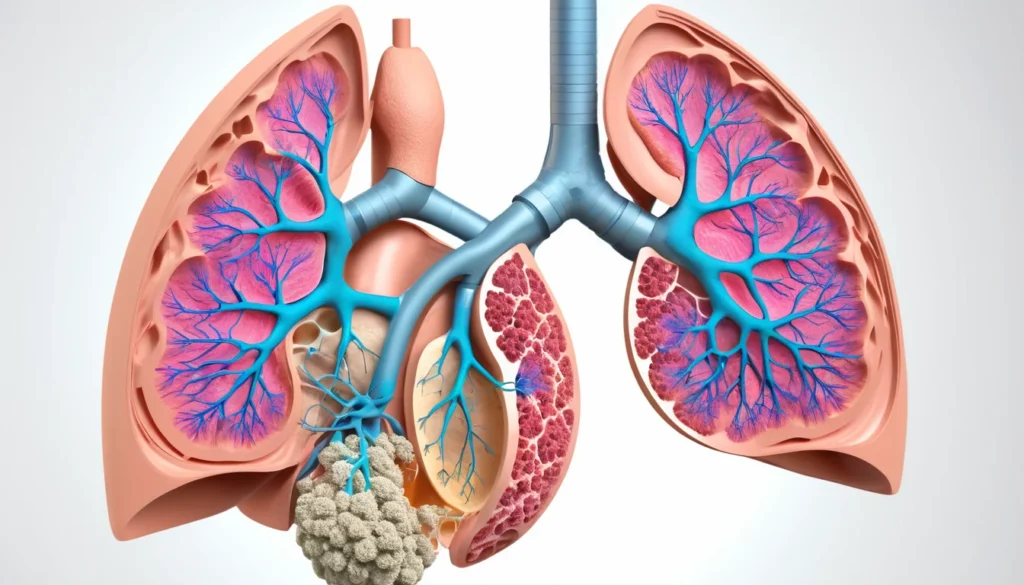
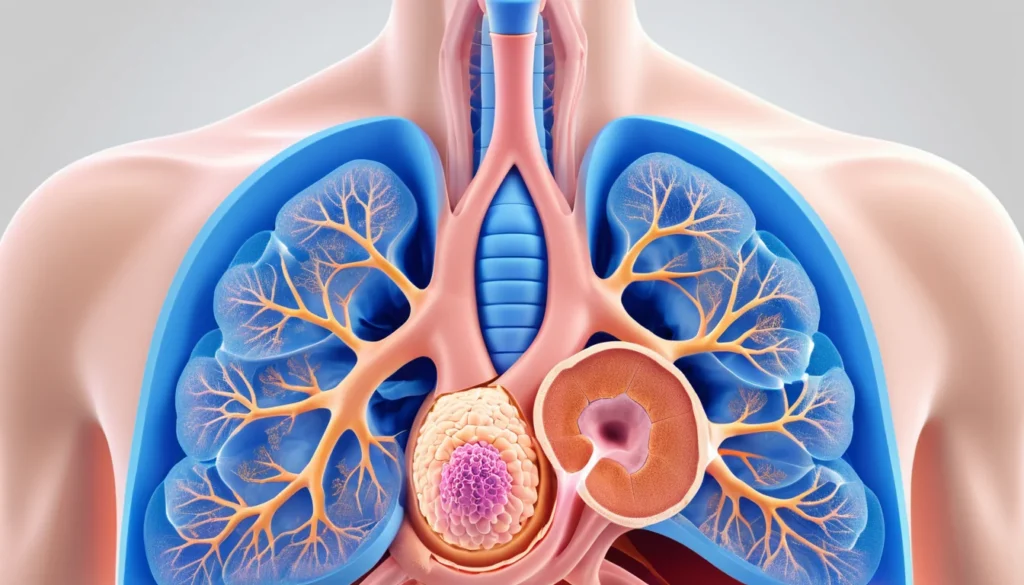
ARDS happens when fluid builds up inside the tiny air sacs in your lungs. This fluid stops your lungs from filling properly with air. As a result, your blood cannot carry enough oxygen to your organs, including your brain and kidneys.
Without enough oxygen, your organs cannot work properly. This is what makes acute respiratory distress syndrome so dangerous. It can develop very quickly and requires urgent medical care. According to the World Health Organization, lung conditions that reduce oxygen levels are among the leading causes of serious illness worldwide.
ARDS is also known by several other names, including:
Acute lung injury
Adult respiratory distress syndrome
Non-cardiac pulmonary oedema
Increased-permeability pulmonary oedema
How Do Healthy Lungs Work?
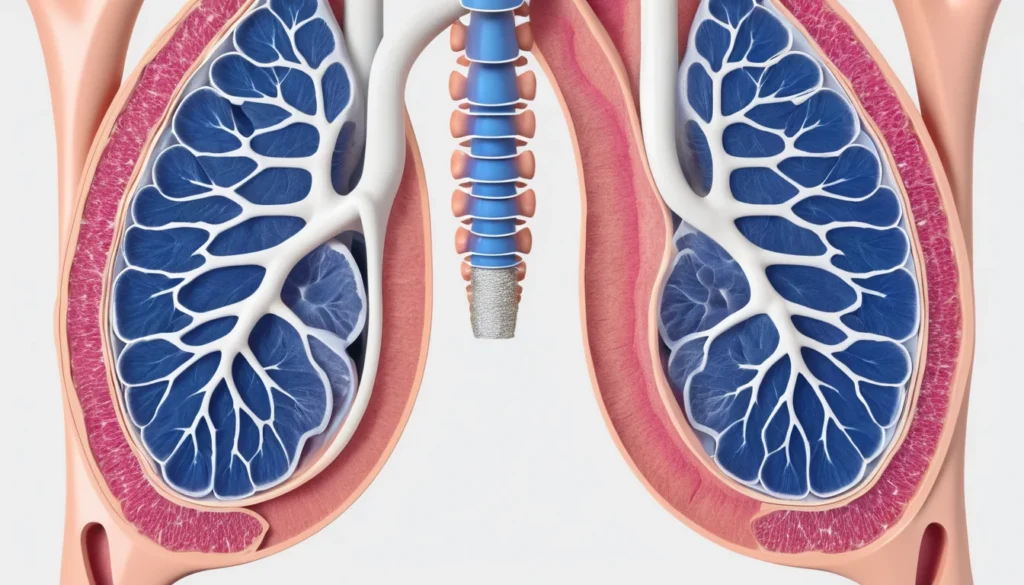
To understand ARDS, it helps to know how your lungs normally function. When you breathe in, air travels through your nose or mouth, down your windpipe, and into millions of tiny air sacs called alveoli.
The walls of these air sacs contain very small blood vessels called capillaries. Oxygen passes through these capillaries and enters your bloodstream. Your blood then carries that oxygen to every part of your body.
What Goes Wrong in ARDS
In acute respiratory distress syndrome, the capillaries in your lungs start leaking fluid. That fluid floods the air sacs. This stops oxygen from crossing into your blood the way it should.
Think of it like a sponge that is completely soaked with water. There is no room left for air. Your lungs become stiff and heavy, making it very hard to breathe. Your organs then begin to suffer from oxygen deprivation.
Common Causes of ARDS
Many different illnesses and injuries can trigger acute respiratory distress syndrome. Some of these affect the lungs directly, while others cause problems elsewhere in the body that eventually harm the lungs.
Researchers are still working to understand exactly why some seriously ill people develop ARDS while others do not. The Mayo Clinic’s overview of ARDS outlines several well-established triggers.
Direct Lung Injuries
Some conditions damage the lungs directly. These include:
Severe pneumonia — a serious infection of the lungs
Inhaling harmful smoke or fumes — from fires, chemicals, or industrial accidents
Breathing in vomit — when stomach contents enter the lungs
Choking — on food, liquid, or a foreign object
Ventilator pressure — in some cases, breathing machines can cause stress to lung tissue
Indirect Lung Injuries
Other conditions harm the lungs indirectly. These include:
Sepsis — a life-threatening response to a bacterial infection in the bloodstream
Severe bleeding — from a major injury or after multiple blood transfusions
Head or chest trauma — such as a serious car accident or fall
Pancreatitis — inflammation or infection of the pancreas
Fat embolism — when fat from a broken bone blocks an artery
Reaction to certain drugs or medications
Risk Factors for Acute Respiratory Distress Syndrome
ARDS almost always develops in people who are already very ill or seriously injured. It rarely appears in otherwise healthy people going about their daily lives.
However, certain factors increase your risk. People who are hospitalized with severe infections, major trauma, or serious chronic illness are most vulnerable. Older adults and people with weakened immune systems also face a higher risk.
Furthermore, people who require mechanical ventilation (a breathing machine) for other conditions may be at increased risk of developing ARDS as a complication.
Symptoms of ARDS to Watch For
The early symptoms of acute respiratory distress syndrome can come on suddenly. They are often frightening for both the patient and their loved ones.
The main early warning signs include:
Feeling very short of breath, even at rest
Breathing rapidly and with great effort
Low blood oxygen levels (often detected by a pulse oximeter)
Other symptoms may also appear, depending on what caused the ARDS. For example, if severe pneumonia triggered ARDS, a person may have had a cough and fever before breathing problems began.
Signs That Organs Are Struggling
As oxygen levels drop, other parts of the body start to show signs of distress. These can include:
Low blood pressure
Confusion or disorientation
Extreme fatigue and weakness
These symptoms suggest that the heart, kidneys, and brain are not receiving enough oxygen-rich blood. This is a medical emergency. Call 911 immediately if you or someone near you experiences sudden, severe shortness of breath.
Possible Complications of ARDS
Because ARDS requires a long hospital stay, patients can develop additional health problems during their recovery. These complications are common and need careful monitoring by medical staff.
Infections
Spending a long time in hospital raises the risk of catching an infection. People using a ventilator are especially vulnerable to lung infections like pneumonia. Hospital teams work hard to prevent these infections, but they can still occur.
Pneumothorax
This is a condition where air or gas collects in the space around the lungs. It can cause one or both lungs to collapse. The pressure from a ventilator can sometimes trigger this complication.
Lung Scarring
ARDS can cause the lung tissue to become stiff and scarred. This makes it harder for the lungs to expand and fill with air. In some cases, this scarring can affect a person’s breathing long after they leave hospital.
Blood Clots
Lying still in a hospital bed for a long time increases the risk of blood clots forming in the legs. This is called deep vein thrombosis (DVT). If a clot breaks free and travels to the lungs, it becomes a pulmonary embolism, which is also very serious.
How Is ARDS Diagnosed?
Doctors diagnose acute respiratory distress syndrome using a combination of tools. There is no single test that confirms ARDS on its own.
Your doctor will review your medical history and ask about recent illnesses or injuries. They will also do a physical exam and listen to your lungs. In addition, they may order several tests, including:
Blood tests — to check oxygen levels and look for signs of infection
Chest X-ray — to see fluid in the lungs
CT scan — for a more detailed picture of lung damage
Echocardiogram — to rule out heart failure as the cause of fluid buildup
Your care team will also consider other conditions that can look like ARDS, such as heart failure. Getting an accurate diagnosis is important because the treatment approach can differ significantly. Learn more about lung health from Health Canada’s official health resources.
When to See a Doctor
If you or a loved one suddenly struggles to breathe, do not wait. Call 911 right away. Acute respiratory distress syndrome is a medical emergency that requires immediate hospital care.
However, not all breathing concerns are emergencies. If you have mild shortness of breath, a persistent cough, or you are concerned about your lung health, contact your family doctor first. Most Canadians can also visit a walk-in clinic without an appointment for non-emergency respiratory concerns.
Your provincial health plan covers most medically necessary tests and hospital care. If you are unsure whether your symptoms need urgent attention, call your provincial telehealth line. In Ontario, that is Telehealth Ontario at 1-866-797-0000. Similar services exist in every province and territory.
Always speak with a qualified healthcare provider before drawing any conclusions about your health. Only a doctor can properly assess your symptoms and recommend the right course of action.
Frequently Asked Questions About Acute Respiratory Distress Syndrome
What is acute respiratory distress syndrome in simple terms?
Acute respiratory distress syndrome is a serious lung condition where fluid fills the air sacs in your lungs. This stops your lungs from getting enough oxygen into your blood. Without enough oxygen, your organs cannot function properly.
Can you survive ARDS?
Yes, many people do survive acute respiratory distress syndrome, especially with prompt and specialized hospital care. However, recovery can take weeks or months, and some people experience lasting effects on their breathing and overall health. Outcomes depend on the cause, the person’s age, and how quickly treatment begins.
What are the first signs of ARDS?
The first signs of acute respiratory distress syndrome include sudden and severe shortness of breath, very rapid breathing, and low oxygen levels in the blood. These symptoms can appear within hours of a triggering illness or injury. If you notice these signs in yourself or someone else, call 911 immediately.
What is the most common cause of ARDS?
Sepsis, which is a severe bloodstream infection, is one of the most common causes of acute respiratory distress syndrome. Severe pneumonia is another leading trigger. Other causes include major trauma, inhaling harmful substances, and complications from other serious medical conditions.
Is ARDS the same as pneumonia?
No, acute respiratory distress syndrome and pneumonia are not the same thing, although pneumonia can trigger ARDS. Pneumonia is a lung infection caused by bacteria, viruses, or fungi. ARDS is a broader condition where fluid floods the lungs, often as a result of another serious illness like pneumonia or sepsis.
How is ARDS treated in Canadian hospitals?
In Canada, acute respiratory distress syndrome is treated in hospital intensive care units (ICUs). Treatment typically involves a mechanical ventilator to help the patient breathe, along with medications to treat the underlying cause. Doctors and nurses also work to prevent complications like infections and blood clots during the hospital stay.
Key Takeaways
Acute respiratory distress syndrome is a life-threatening condition where fluid fills the lungs and prevents proper oxygen delivery to the body.
It almost always develops in people who are already seriously ill or injured, and most cases are diagnosed in hospital.
Common triggers include sepsis, severe pneumonia, major trauma, and inhaling harmful substances.
Early symptoms include sudden shortness of breath, rapid breathing, and low blood oxygen — all of which require emergency care.
Complications can include infections, blood clots, lung scarring, and collapsed lungs.
Diagnosis involves blood tests, chest X-rays, and other imaging, combined with a full medical history.
If you are concerned about your breathing, contact your family doctor, visit a walk-in clinic, or call your provincial telehealth line for guidance.
Always consult a qualified healthcare provider for any health concerns — this article is for informational purposes only.