Acute pancreatitis is a sudden inflammation of the pancreas that can range from mild discomfort to a life-threatening emergency. It affects thousands of Canadians every year. This article explains what causes it, what symptoms to watch for — including some that may surprise you — and when to seek medical help through your family doctor or a walk-in clinic.
What Is Acute Pancreatitis?
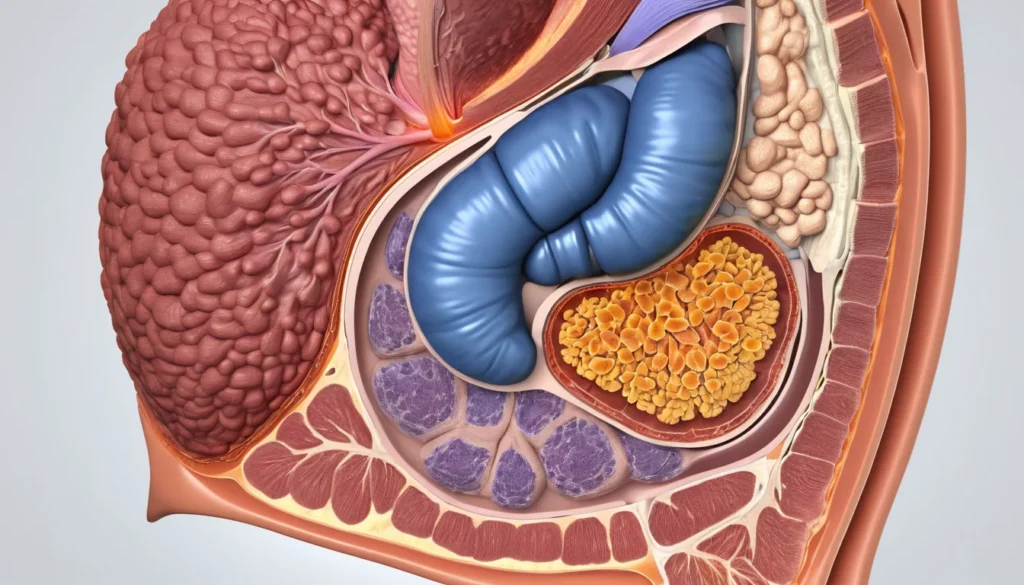
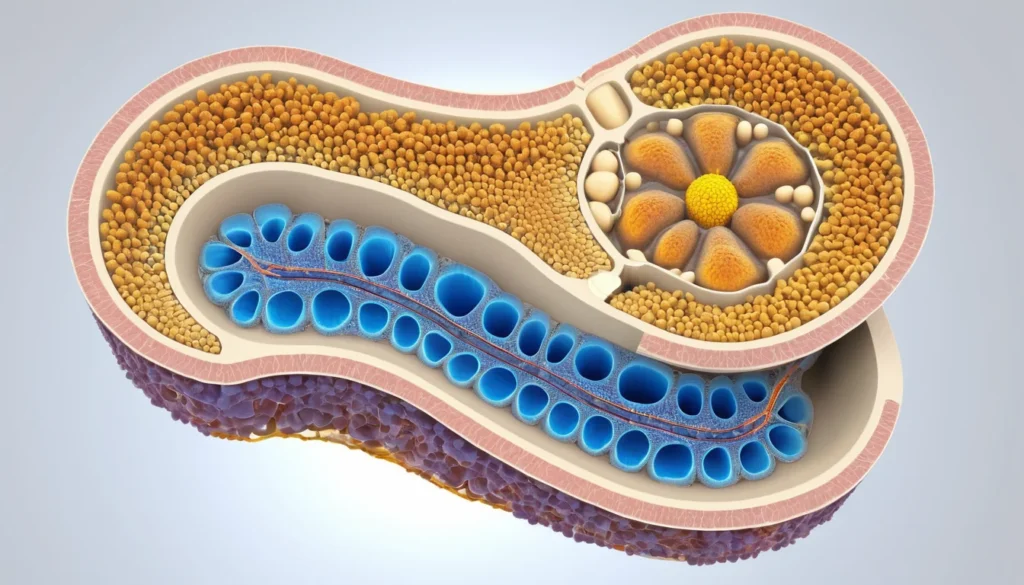
The pancreas is a gland that sits behind your stomach. It makes digestive enzymes and hormones like insulin. Under normal conditions, these enzymes only become active once they reach the small intestine.
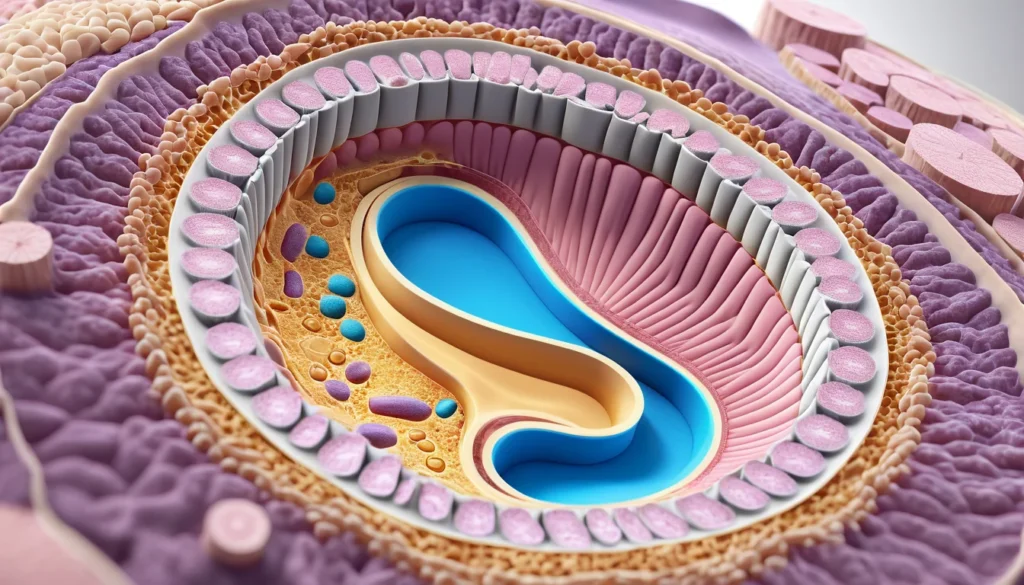
However, when the pancreas becomes inflamed, these enzymes activate too early. As a result, they begin to digest the pancreas itself. This process is called autodigestion, and it is what makes acute pancreatitis so dangerous.
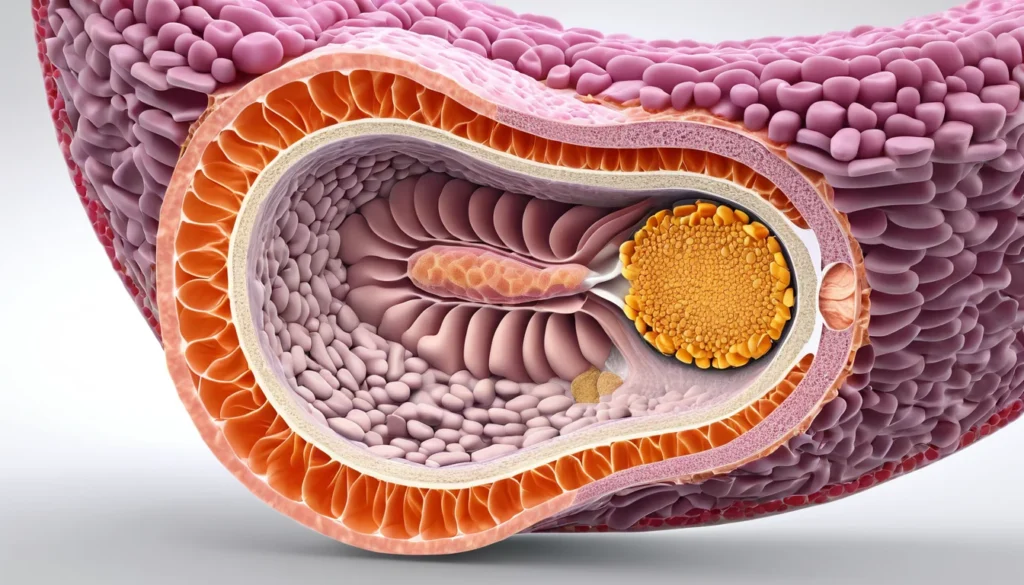
In some cases, the inflammation spreads to the surrounding tissues. Acute pancreatitis can resolve with proper treatment, but severe cases can lead to serious complications. Early diagnosis makes a big difference in outcomes.
Acute Pancreatitis vs. Chronic Pancreatitis
Pancreatic disease can develop in two main ways. Understanding the difference helps explain what your body may be going through.
Acute Pancreatitis
Acute pancreatitis comes on suddenly. It causes intense pain and usually requires a hospital stay. With fast diagnosis and early treatment, many patients recover fully. The pancreas can return to normal function after the episode.
Chronic Pancreatitis
Chronic pancreatitis develops slowly over time. Unlike the acute form, it causes permanent damage to pancreatic tissue. Patients often experience ongoing pain, significant unintentional weight loss, and malnutrition. Over time, chronic pancreatitis can also lead to diabetes, because the insulin-producing cells of the pancreas become damaged.
Common Causes and Risk Factors
Several things can trigger acute pancreatitis. Knowing the risk factors can help you make informed choices about your health.
Gallstones
The liver, gallbladder, and pancreas all share drainage pathways into the small intestine. A gallstone that migrates from the gallbladder into the common bile duct can block the flow of both bile and pancreatic juice. This blockage is one of the most common causes of acute pancreatitis in Canada. Health Canada recognizes gallstone-related disease as a significant digestive health concern.
Alcohol Use
Heavy or prolonged alcohol use is another leading cause of acute pancreatitis. Alcohol irritates and damages pancreatic tissue directly. Even a single episode of heavy drinking can sometimes trigger an attack in people who are susceptible.
Other Causes
In addition to gallstones and alcohol, other triggers include:
Viral infections, such as the mumps virus
Autoimmune conditions, where the body attacks its own tissue
Certain medications, including steroids, immunosuppressants, antiretroviral drugs, and some diuretics
Stopping certain medications abruptly
If you are taking any of these medications and notice new digestive symptoms, speak with your doctor before making any changes to your prescription.
Typical Symptoms of Acute Pancreatitis
The classic presentation of acute pancreatitis is hard to miss. Recognizing these signs early can help you get the right care faster.
The main symptom is severe pain in the upper left abdomen. This pain often radiates straight through to the back — doctors sometimes describe it as a “band-like” pain. It typically gets worse after eating, especially fatty foods or alcohol.
Other common symptoms include:
Nausea and vomiting
Fever
Heavy sweating (diaphoresis)
Rapid, shallow breathing due to pain
Yellowing of the skin or eyes (jaundice), if a bile duct blockage is involved
According to the Mayo Clinic’s guide to pancreatitis, upper abdominal pain that worsens after eating is one of the most reliable warning signs of this condition.
When Complications Develop
In severe cases, acute pancreatitis can cause the abdomen to become rigid and board-like. This is a sign of peritonitis — irritation of the abdominal cavity — and it requires emergency surgery. The pancreas may also swell dramatically, and fluid or blood can collect in the abdomen if the pancreatic duct ruptures. This can lead to hypovolemic shock, a dangerous drop in blood pressure due to fluid loss.
Atypical Symptoms of Acute Pancreatitis
Not everyone with acute pancreatitis experiences the classic “band-like” pain. This is important to understand, because atypical presentations are more common than many people realise.
People with diabetes or nerve-related conditions may have altered pain responses. Their bodies may not signal distress in the usual way. As a result, the diagnosis can be delayed, which increases the risk of complications.
What Atypical Acute Pancreatitis Can Look Like
Instead of severe localized pain, some patients report:
Diffuse abdominal pain with cramping and changes in bowel habits
General upper abdominal discomfort (epigastric pain) with bloating or indigestion
Post-meal nausea and vomiting without obvious severe pain
Digestive upset after eating fatty foods, as the only noticeable symptom
In some cases, nausea and vomiting triggered by high-fat foods — combined with mild upper abdominal discomfort — may be the only signs of an ongoing episode of acute pancreatitis. This pattern is easy to dismiss as a stomach bug or food intolerance.
Furthermore, the condition can occasionally mimic other digestive problems. It may look like severe acid reflux, irritable bowel syndrome, or a gallbladder attack. This overlap makes it essential to run proper tests when symptoms persist.
How Acute Pancreatitis Is Diagnosed
Diagnosing acute pancreatitis involves a combination of your symptom history, a physical exam, blood tests, and imaging. Your doctor will look at the full picture before reaching a conclusion.
Blood Tests
The two key enzymes measured in the blood are lipase and amylase. Lipase is the more specific marker for acute pancreatitis. Any value above the normal reference range for lipase is a strong indicator of the condition. Amylase is also measured — a level three times the normal value is considered significant.
In addition, a C-reactive protein (CRP) level above 150 mg/L in the blood can indicate a more severe form of the disease.
Imaging Tests
Abdominal ultrasound is often the first imaging test used. It can detect gallstones and show fluid collections in the abdomen. However, CT scanning (computed tomography) is considered the gold standard for assessing the extent of pancreatic damage. CT imaging gives doctors a detailed view of how much tissue has been affected and whether complications have developed.
For more detail on how these tests work, Healthline’s overview of pancreatitis diagnosis offers a clear explanation of what to expect.
When to See a Doctor
If you have sudden, severe abdominal pain — especially with vomiting or fever — go to the nearest emergency room immediately. Do not wait. Acute pancreatitis can become life-threatening within hours if it is severe.
For milder or recurring symptoms, such as ongoing nausea after fatty meals or persistent upper abdominal discomfort, book an appointment with your family doctor. If you do not have a family doctor, a walk-in clinic can assess your symptoms and order the appropriate blood work. Most provincial health plans in Canada cover these diagnostic tests.
Early blood work can catch elevated enzyme levels before symptoms become severe. Do not ignore recurring digestive symptoms, even if they seem mild. Always consult a qualified healthcare provider for any diagnosis or treatment decisions — this article is for general information only.
Frequently Asked Questions About Acute Pancreatitis
What are the first signs of acute pancreatitis?
The first signs of acute pancreatitis usually include sudden, severe pain in the upper abdomen that may radiate to the back. Nausea, vomiting, and fever often follow. Some people experience only mild digestive upset, which is why it is important to see a doctor if symptoms persist.
Can acute pancreatitis go away on its own?
Mild cases of acute pancreatitis sometimes improve with rest, fasting, and fluids, but medical supervision is always necessary. Without proper care, even a mild episode can develop serious complications. You should always seek medical attention if you suspect acute pancreatitis.
What foods trigger acute pancreatitis?
High-fat foods and alcohol are the most common dietary triggers of acute pancreatitis. Fatty meals cause the pancreas to release more digestive enzymes, which can worsen inflammation. During recovery, a low-fat diet is typically recommended by healthcare providers.
How is acute pancreatitis different from chronic pancreatitis?
Acute pancreatitis comes on suddenly and can resolve fully with treatment, while chronic pancreatitis develops gradually and causes permanent damage to the pancreas. Chronic pancreatitis often leads to long-term problems like malnutrition and diabetes. Both conditions require medical management.
What blood tests confirm acute pancreatitis?
Doctors use serum lipase and amylase levels to help confirm acute pancreatitis. Lipase is considered the more reliable marker — any elevation above the normal range is significant. A C-reactive protein level above 150 mg/L may also indicate a more severe case.
Is acute pancreatitis covered under provincial health plans in Canada?
Yes, diagnosis and hospital treatment for acute pancreatitis are generally covered under provincial and territorial health plans across Canada. This includes blood tests, imaging like CT scans, and hospital care. Check with your provincial health authority for specifics about coverage in your area.
Key Takeaways
Acute pancreatitis is a sudden inflammation of the pancreas that requires prompt medical attention.
The most common causes are gallstones and heavy alcohol use.
Classic symptoms include severe upper abdominal pain radiating to the back, nausea, vomiting, and fever.
Atypical symptoms — like mild nausea after fatty meals or general bloating — can also signal acute pancreatitis, especially in people with diabetes or nerve conditions.
Blood tests measuring lipase and amylase are the key diagnostic tools. CT scanning is the gold standard for imaging.
If you have severe abdominal pain, go to an emergency room immediately. For milder ongoing symptoms, see your family doctor or visit a walk-in clinic.
Most diagnostic tests and treatments for this condition are covered under Canadian provincial health plans.