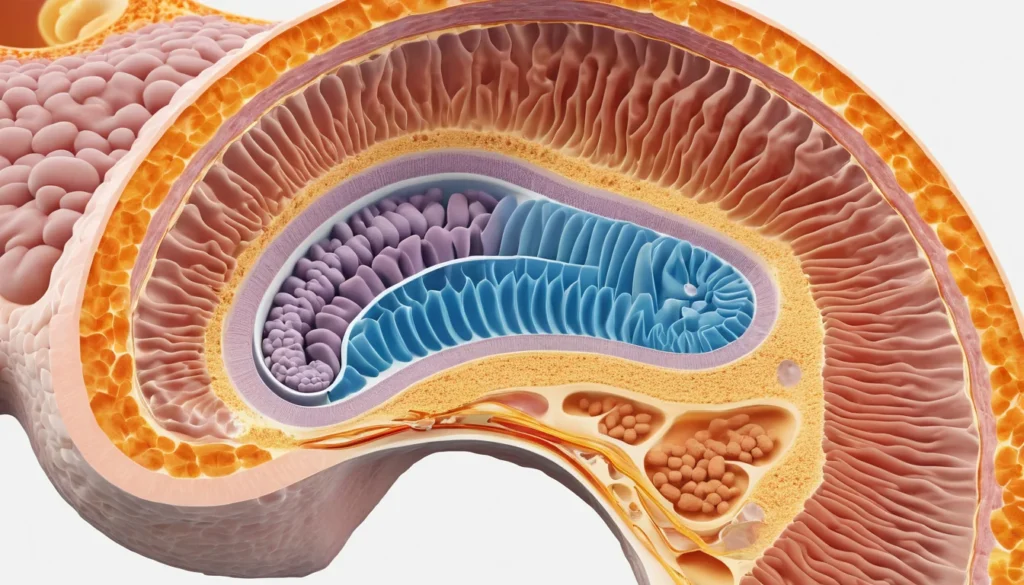
Acute pancreatitis is a sudden inflammation of the pancreas that can cause intense abdominal pain and serious complications. It affects thousands of Canadians every year. Understanding the symptoms, causes, and warning signs can help you get the right care quickly — and that can make a real difference in your recovery.
What Is Acute Pancreatitis?
The pancreas is a gland that sits behind your stomach. It produces enzymes that help you digest food, and hormones like insulin that control blood sugar.
In acute pancreatitis, digestive enzymes become activated too early — while still inside the pancreas. This causes the pancreas to essentially start digesting itself. The result is painful inflammation that can range from mild to life-threatening.
Most cases are mild and resolve with proper hospital care. However, some cases are severe and can lead to serious complications, including tissue death (necrosis) and organ failure. For more information on how the pancreas works, visit Mayo Clinic’s overview of pancreatitis.
Common Causes of Acute Pancreatitis
The two most common causes of acute pancreatitis in Canada are gallstones and heavy alcohol use. Together, they account for the majority of all cases.
Gallstones
A small gallstone — usually less than 5 mm wide — can escape from the gallbladder and block the bile duct. This blockage causes bile to back up into the pancreatic ducts, triggering inflammation. This is the most common cause overall, especially in women over 40.
Heavy Alcohol Use
Drinking large amounts of alcohol over time can directly damage pancreatic cells. A single episode of heavy drinking can also trigger an acute attack. If you have had a flare-up after drinking, this is an important pattern to share with your family doctor.
Other Causes
In addition to gallstones and alcohol, several other factors can cause acute pancreatitis. These include:
High triglycerides or calcium levels in the blood
Abdominal injury or trauma
Certain medications, such as sulfonamide antibiotics or thiazide diuretics
Viral infections, including mumps
A procedure called ERCP (endoscopic retrograde cholangiopancreatography), which triggers pancreatitis in 5–10% of patients
Vasculitis (inflammation of blood vessels)
A family history of high triglycerides
In some cases, no clear cause is found. Your doctor may order blood tests and imaging to help identify the trigger.
Symptoms of Acute Pancreatitis
The symptoms of acute pancreatitis often come on suddenly and can be quite intense. Knowing what to watch for helps you act quickly.
The Main Symptom: Abdominal Pain
The hallmark symptom is a deep, steady pain in the upper abdomen. It often starts gradually, then becomes severe and constant. The pain frequently spreads through to the back — sometimes described as a “band-like” pain across the upper belly.
The pain often gets worse when you walk or lie flat. Many people find some relief by sitting up or leaning forward. A recent large meal or alcohol intake often precedes the onset of pain.
Other Common Symptoms
Along with abdominal pain, you may also experience:
Nausea and vomiting, sometimes with loss of appetite
Fever (present in about 76% of cases)
Rapid heart rate (present in about 65% of cases)
Abdominal bloating and tenderness when touched
Reduced or absent bowel sounds due to a temporary bowel slowdown (paralytic ileus)
Fatigue and anxiety, especially in more severe cases
Jaundice (yellowing of the skin or eyes), in about 28% of cases
Shortness of breath, in about 10% of cases
Signs of Severe Acute Pancreatitis
In rare but serious cases, acute pancreatitis can cause visible bruising around the body. Two specific signs point to severe, necrotising pancreatitis:
Cullen’s sign: A bluish discolouration around the belly button, caused by internal bleeding
Grey-Turner’s sign: A reddish-brown bruising along the flanks (sides of the abdomen), caused by blood tracking through tissue from the pancreatic area
These signs are uncommon, but they indicate a medical emergency. Call 911 or go to your nearest emergency department immediately if you notice them.
How Is Acute Pancreatitis Diagnosed?
If your doctor suspects acute pancreatitis, they will order a series of tests. Diagnosis is based on a combination of your symptoms, blood work, and imaging.
Blood Tests
Doctors look for elevated levels of two specific enzymes: amylase and lipase. High lipase levels are particularly reliable for diagnosing acute pancreatitis. Other blood findings may include:
High white blood cell count (between 10,000 and 30,000 cells/mm³)
Elevated blood sugar (hyperglycaemia)
Elevated bilirubin or liver enzymes
Low calcium levels
Abnormal kidney function markers
Protein or sugar in the urine
If liver enzymes are significantly elevated — particularly GPT above 80 units/L — a gallstone cause is considered likely. This guides the treatment plan. For a deeper look at diagnostic criteria, see Healthline’s guide to pancreatitis diagnosis and treatment.
Imaging Tests
Imaging helps confirm the diagnosis and assess severity. Your doctor may order an ultrasound to check for gallstones, or a CT scan to look for complications like fluid collections or tissue death. An MRI may also be used in some cases.
Assessing Severity: The Ranson Criteria
Doctors use a scoring tool called the Ranson criteria to estimate how severe a case of acute pancreatitis may become. This helps guide decisions about intensive care and monitoring.
At the time of hospital admission, the following findings suggest a more severe course if three or more are present:
Age over 55 years
Blood sugar above 11 mmol/L (200 mg/dL)
White blood cell count above 16,000/mm³
LDH (lactate dehydrogenase) above 350 units/L
Liver enzyme (GPT) above 250 units/L
Furthermore, certain changes in the 48 hours after admission also signal a poorer prognosis. These include a significant drop in blood oxygen levels, rising urea, falling calcium, and large fluid losses. Therefore, close monitoring in hospital is essential for moderate to severe cases.
Treatment for Acute Pancreatitis
All cases of acute pancreatitis require hospital care. There is no specific medication that treats the inflammation directly. Instead, treatment focuses on supporting the body while it heals.
Standard hospital treatment typically includes:
IV fluids to prevent dehydration and support circulation
Pain management with appropriate medications
Bowel rest, meaning no food or drink by mouth initially
Nutritional support, either through a feeding tube or IV, in severe cases
Monitoring of oxygen levels, kidney function, and blood sugar
If gallstones caused the attack, a procedure or surgery to remove them may be recommended. If alcohol is the trigger, your care team will discuss support for reducing alcohol use. Health Canada offers resources to help Canadians with substance use.
When to See a Doctor
If you develop sudden, severe pain in your upper abdomen — especially with vomiting, fever, or pain that spreads to your back — do not wait. Acute pancreatitis is a medical emergency that requires prompt evaluation.
Go to your nearest emergency department right away. Do not try to manage this at a walk-in clinic or wait for a routine appointment. Time matters when the pancreas is inflamed.
If you have had milder episodes of upper abdominal pain in the past, especially after eating fatty meals or drinking alcohol, bring this up with your family doctor. They can order blood work and an ultrasound to check for gallstones or other issues before a serious episode occurs.
As always, this article is for general information only. Please speak with a qualified healthcare provider for advice about your specific situation.
Frequently Asked Questions About Acute Pancreatitis
What are the first signs of acute pancreatitis?
The first sign of acute pancreatitis is usually a sudden, deep pain in the upper abdomen that may spread to the back. Nausea, vomiting, and fever often follow. The pain tends to get worse after eating or drinking alcohol.
Can acute pancreatitis go away on its own?
Mild acute pancreatitis often improves within a few days with proper hospital treatment, including IV fluids and rest. However, it does not safely resolve at home — all cases require medical evaluation and monitoring. Without treatment, complications can develop quickly.
What foods should you avoid with acute pancreatitis?
During an episode of acute pancreatitis, you will typically need to avoid all food and drink initially to let the pancreas rest. Once you recover, your doctor will likely recommend a low-fat diet and avoiding alcohol. Fatty, fried, and heavily processed foods are the main triggers to avoid long-term.
Is acute pancreatitis life-threatening?
Most cases of acute pancreatitis are mild and recover fully with proper care. However, severe cases can lead to dangerous complications such as pancreatic tissue death (necrosis), infection, organ failure, and internal bleeding. This is why hospital treatment is always required.
How is acute pancreatitis different from chronic pancreatitis?
Acute pancreatitis is a sudden inflammation that typically resolves with treatment, while chronic pancreatitis involves long-term, ongoing damage to the pancreas that does not fully heal. Repeated episodes of acute pancreatitis — especially from alcohol use — can lead to the chronic form over time. Your doctor can help distinguish between the two with blood tests and imaging.
Does acute pancreatitis show up on a blood test?
Yes, acute pancreatitis typically causes elevated levels of amylase and lipase in the blood, which doctors measure through a standard blood test. High lipase is considered the most reliable marker. Additional blood tests may reveal elevated white blood cells, bilirubin, and blood sugar levels.
Key Takeaways
Acute pancreatitis is a sudden inflammation of the pancreas that requires hospital care.
The two most common causes in Canada are gallstones and heavy alcohol use.
The main symptom is severe upper abdominal pain that may radiate to the back.
Fever, nausea, vomiting, and bloating are also common symptoms.
Diagnosis involves blood tests for amylase and lipase, along with imaging such as ultrasound or CT scan.
Treatment focuses on IV fluids, pain control, and bowel rest — all provided in hospital.
Severe cases can be life-threatening. Seek emergency care immediately for sudden, intense abdominal pain.
Talk to your family doctor if you have recurring upper abdominal discomfort or known risk factors like gallstones.