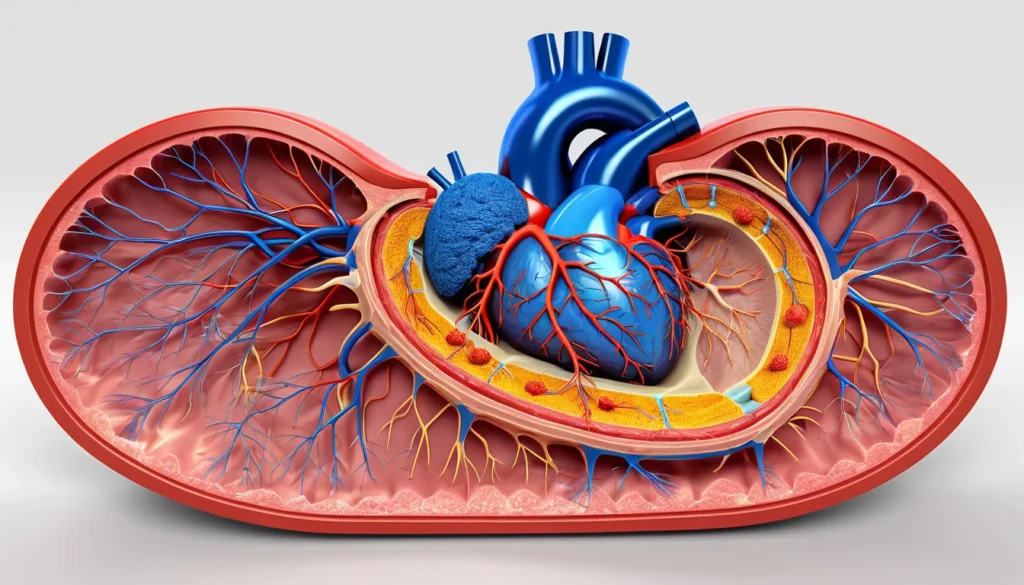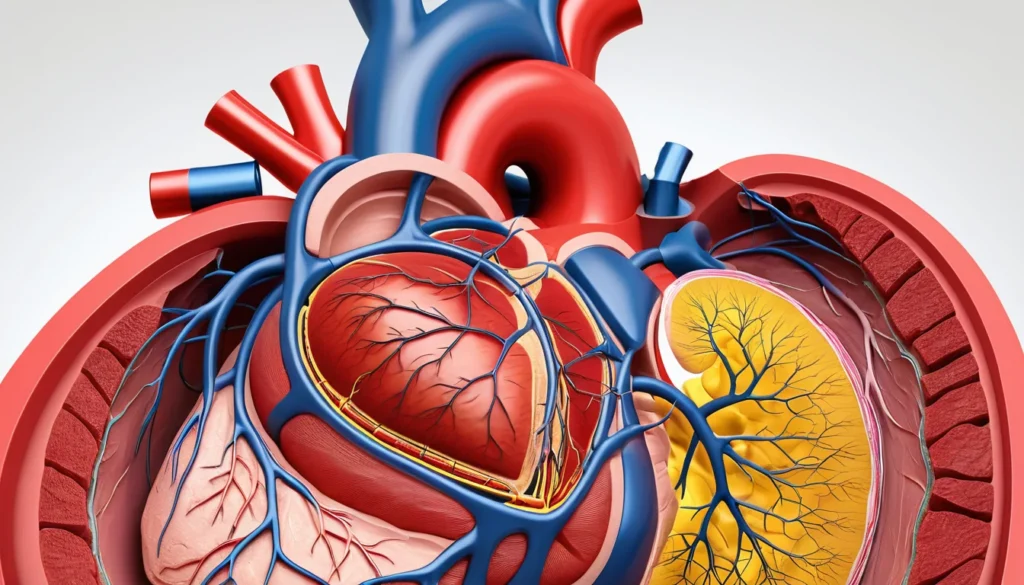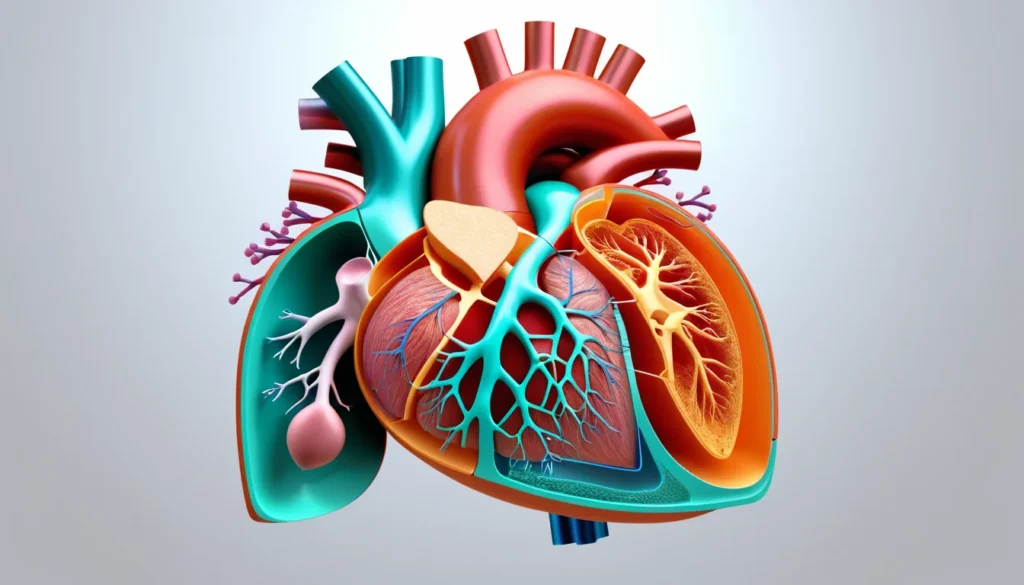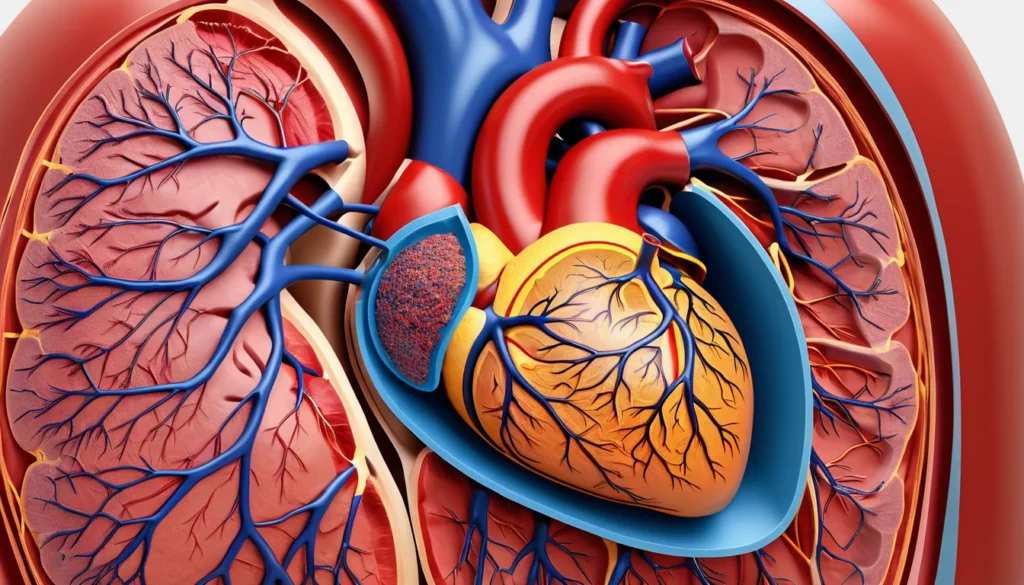
Acute coronary syndrome is a serious medical condition that happens when blood flow to the heart drops suddenly. It covers a range of heart problems — from unstable angina to a full heart attack. In Canada, it is one of the leading reasons people visit emergency departments. Understanding the warning signs could save your life or the life of someone you love.
What Is Acute Coronary Syndrome?
Acute coronary syndrome is an umbrella term. It describes any condition where the heart muscle does not get enough oxygen-rich blood. This can happen gradually over time or suddenly without warning.
The condition includes both heart attacks and unstable angina. Unstable angina means chest pain that happens at rest or during light activity. Unlike a stable angina, this type of chest pain does not follow a predictable pattern and needs urgent medical attention.
According to Health Canada, heart disease remains one of the top causes of death for Canadians. Getting diagnosed and treated quickly makes a major difference in outcomes. Acute coronary syndrome is treatable — but time is critical.
Symptoms of Acute Coronary Syndrome
Many symptoms of acute coronary syndrome look exactly like a heart attack. That is because, without treatment, the condition can quickly become a heart attack. Never ignore these warning signs.
Call 911 right away if you or someone near you experiences any of the following:
Chest pain, tightness, burning, or pressure lasting more than a few minutes
Pain that spreads to your left arm, jaw, neck, or back
Nausea or vomiting
Shortness of breath
Sudden, heavy sweating
Dizziness, confusion, or fainting
Symptoms Can Look Different for Some People
Symptoms of acute coronary syndrome can vary depending on your age, sex, and other health conditions. For example, people with diabetes may not feel classic chest pain. Women are also more likely to experience less obvious symptoms.
These less common symptoms can include:
Stomach pain or discomfort that feels like heartburn
Cold, clammy skin
Unusual or extreme fatigue
A sense of anxiety or feeling that something is very wrong
However mild these symptoms seem, take them seriously. It is always better to call for help and be wrong than to wait and cause permanent heart damage.
When to See a Doctor
If you have chest pain and think something is wrong — call 911 immediately. Do not drive yourself to the hospital. Emergency paramedics can begin treatment on the way, which saves precious time when dealing with acute coronary syndrome.
If your chest pain comes and goes, or happens during light activity, see your family doctor or visit a walk-in clinic as soon as possible. Recurring chest pain can be a sign of unstable angina. Your doctor can refer you for further testing and help you manage your risk. In most provinces, your provincial health plan covers diagnostic tests for heart conditions, so cost should not be a barrier to getting checked out.
Do not wait for a “convenient” time. Heart conditions can worsen quickly. As the Mayo Clinic explains, early treatment for acute coronary syndrome greatly improves the chances of recovery.
What Causes Acute Coronary Syndrome?
The most common cause of acute coronary syndrome is a build-up of fatty deposits inside the coronary arteries. These deposits are called atherosclerotic plaques. Over time, they narrow the arteries and reduce blood flow to the heart muscle.
As a result, the heart cannot get enough oxygen-rich blood. This leads to chest pain (angina) or, in more serious cases, a heart attack.
How a Heart Attack Happens
A heart attack often begins when one of these fatty plaques cracks or breaks open. The body reacts by forming a blood clot at the site of the rupture. This clot can completely block blood flow through the artery. When that happens, part of the heart muscle starts to die from lack of oxygen.
This process can develop slowly over many years without any symptoms. In fact, many people do not know they have significant plaque build-up until a cardiac event occurs. Therefore, managing your risk factors early is extremely important.
Risk Factors for Acute Coronary Syndrome
Several risk factors can increase your chances of developing acute coronary syndrome. Some of these you cannot change — like your age or family history. However, many risk factors are within your control.
Risk factors include:
Age: Men over 45 and women over 55 are at higher risk
High blood pressure: This puts extra strain on artery walls over time
High cholesterol: Excess cholesterol contributes to plaque build-up
Smoking: Tobacco damages artery walls and speeds up plaque formation
Physical inactivity: A sedentary lifestyle weakens the heart and arteries
Type 2 diabetes: High blood sugar damages blood vessels over time
Family history: A close relative with heart disease, stroke, or chest pain raises your risk
Furthermore, lifestyle choices like a high-fat diet, heavy alcohol use, and chronic stress can also contribute to heart disease. Talk to your family doctor about your personal risk level, especially if you have more than one of the factors listed above.
How Is Acute Coronary Syndrome Diagnosed?
If you arrive at an emergency department with chest pain, doctors will act quickly. The goal is to find out whether you are having a heart attack and how serious the situation is. Several tests help them do this.
Electrocardiogram (ECG)
An ECG is usually the first test doctors order. It records the electrical activity of your heart using small sensors attached to your skin. Damaged heart muscle does not conduct electrical signals normally. Therefore, an ECG can show whether a heart attack is happening or has already occurred.
Blood Tests
When heart muscle is damaged, it releases certain proteins called cardiac enzymes into the bloodstream. A blood test can detect these markers. High levels confirm that a heart attack has occurred or is in progress. Doctors use these results to decide the best course of treatment.
Echocardiogram
An echocardiogram uses sound waves to create a moving image of your heart. It can show which areas of the heart are not pumping properly. Doctors often use this test to assess the extent of any damage after a suspected heart attack.
Chest X-Ray and Coronary Angiography
A chest X-ray gives doctors a view of the heart and lungs. If further investigation is needed, coronary angiography may be performed. This is an imaging procedure that uses a special dye and X-rays to see inside your coronary arteries. It shows exactly where blockages are located. In many cases, doctors can also open up a blockage during this same procedure.
For more detail on heart diagnostic tests, visit Healthline’s guide to acute coronary syndrome.
Treatment Options
Treatment for acute coronary syndrome depends on how severe the blockage is and your overall health. The main goal is to restore blood flow to the heart as quickly as possible.
Common treatments include:
Medications: Blood thinners, clot-dissolving drugs, nitroglycerin, and beta-blockers are commonly used to reduce strain on the heart and prevent further clotting
Angioplasty and stenting: A small balloon is used to open the blocked artery, and a mesh tube (stent) is placed to keep it open
Bypass surgery: In more complex cases, surgeons create a new route for blood to flow around the blockage
After treatment, your doctor will likely recommend cardiac rehabilitation. This is a structured programme that includes monitored exercise, heart-healthy eating guidance, and emotional support. Many hospitals and health centres across Canada offer cardiac rehab as part of your provincial health plan coverage.
Frequently Asked Questions
What is the difference between acute coronary syndrome and a heart attack?
Acute coronary syndrome is a broader term that includes both heart attacks and unstable angina. A heart attack is one specific type of acute coronary syndrome where a coronary artery becomes completely blocked and heart muscle begins to die. Not every case of acute coronary syndrome results in a heart attack, but all cases require urgent medical attention.
Can acute coronary syndrome be prevented?
You can significantly lower your risk of acute coronary syndrome by managing controllable risk factors. Quitting smoking, exercising regularly, eating a heart-healthy diet, and controlling blood pressure and cholesterol all make a real difference. Talk to your family doctor about a prevention plan tailored to your health history.
What should I do if I think I have symptoms of acute coronary syndrome?
Call 911 immediately — do not wait to see if the symptoms go away on their own. Emergency responders can begin treatment before you even reach the hospital, which greatly improves outcomes for acute coronary syndrome. Never drive yourself to the emergency room if you are experiencing chest pain or related symptoms.
Is acute coronary syndrome covered by provincial health plans in Canada?
Yes, emergency treatment for acute coronary syndrome — including diagnostic tests, medications, angioplasty, and hospital stays — is covered under provincial health insurance plans across Canada. Cardiac rehabilitation programmes are also covered in most provinces. Check with your provincial health authority for specific details about your coverage.
How long does recovery from acute coronary syndrome take?
Recovery time from acute coronary syndrome varies depending on the severity of the event and the treatment received. Many people return to normal daily activities within a few weeks, but full cardiac rehabilitation can take several months. Your cardiologist and family doctor will work together to create a recovery plan that fits your specific needs.
Can women have different symptoms of acute coronary syndrome than men?
Yes, women are more likely to experience atypical symptoms of acute coronary syndrome, such as fatigue, nausea, back pain, or jaw pain, rather than classic chest pain. These subtle symptoms are sometimes dismissed or misdiagnosed, which can delay treatment. Women should take any unusual symptoms seriously and seek emergency care without hesitation.
Key Takeaways
Acute coronary syndrome is a serious, life-threatening condition that requires immediate medical attention
It includes both heart attacks and unstable angina — both need urgent care
Classic symptoms include chest pain, shortness of breath, and sweating — but symptoms can vary, especially in women and people with diabetes
Call 911 right away if you suspect a heart attack — do not drive yourself to the hospital
Risk factors include high blood pressure, high cholesterol, smoking, inactivity, and family history — many of these are manageable
Diagnosis involves an ECG, blood tests, and imaging — all covered under most provincial health plans
Treatment ranges from medications to surgery, followed by cardiac rehabilitation
Always speak with your family doctor or a walk-in clinic if you have recurring chest pain or concerns about your heart health
This article is for informational purposes only and does not replace professional medical advice. Always consult your doctor or a qualified healthcare provider about any symptoms or concerns related to your heart health.