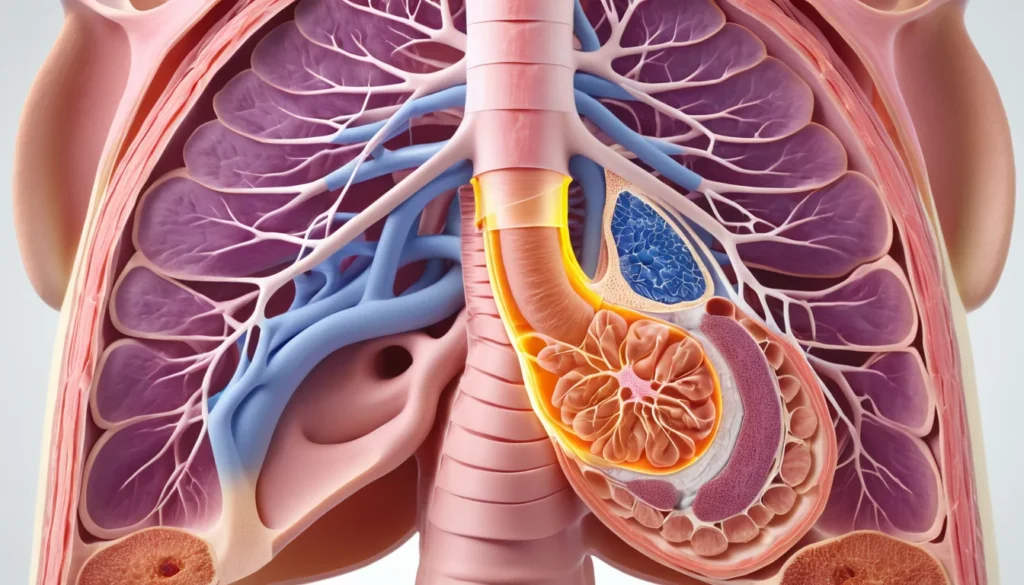
Acute bronchitis is an inflammation of the airways in your lungs that causes coughing, mucus buildup, and chest discomfort. It is one of the most common respiratory infections seen by family doctors and walk-in clinics across Canada. In most cases, it is caused by a virus and clears up on its own within one to two weeks. This article explains what acute bronchitis is, what causes it, how it is diagnosed, and how you can feel better faster.
What Is Acute Bronchitis?
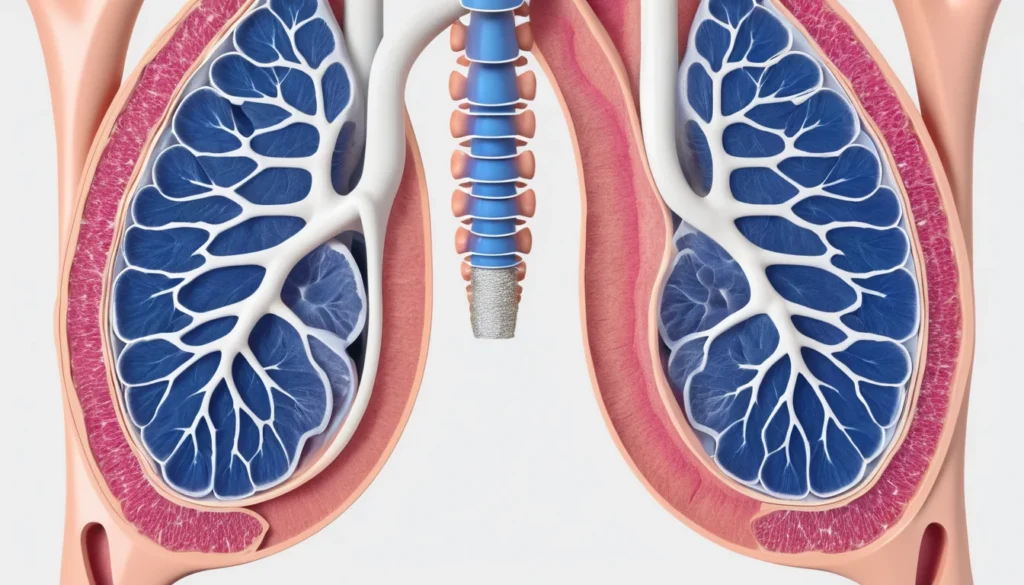
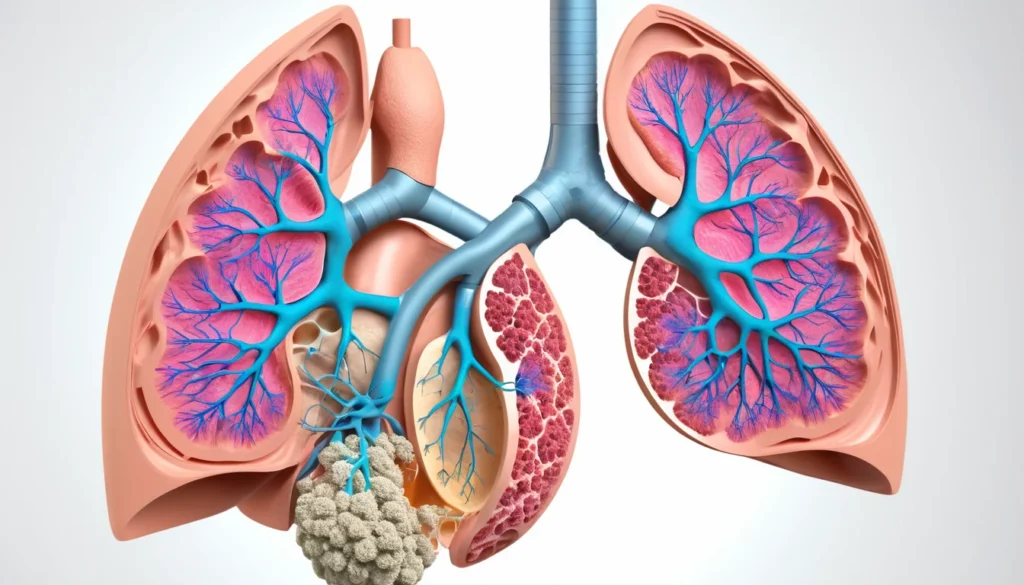
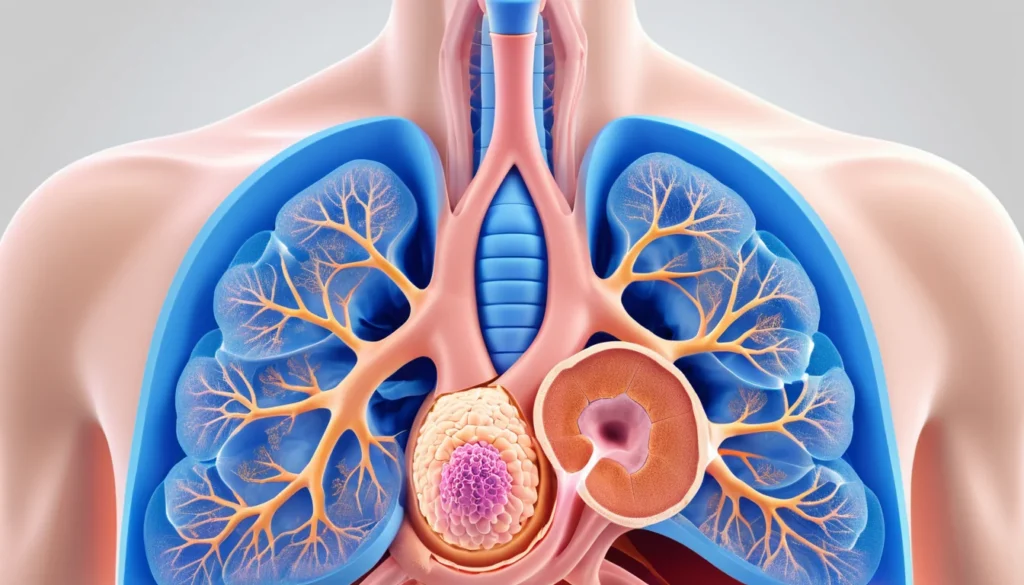
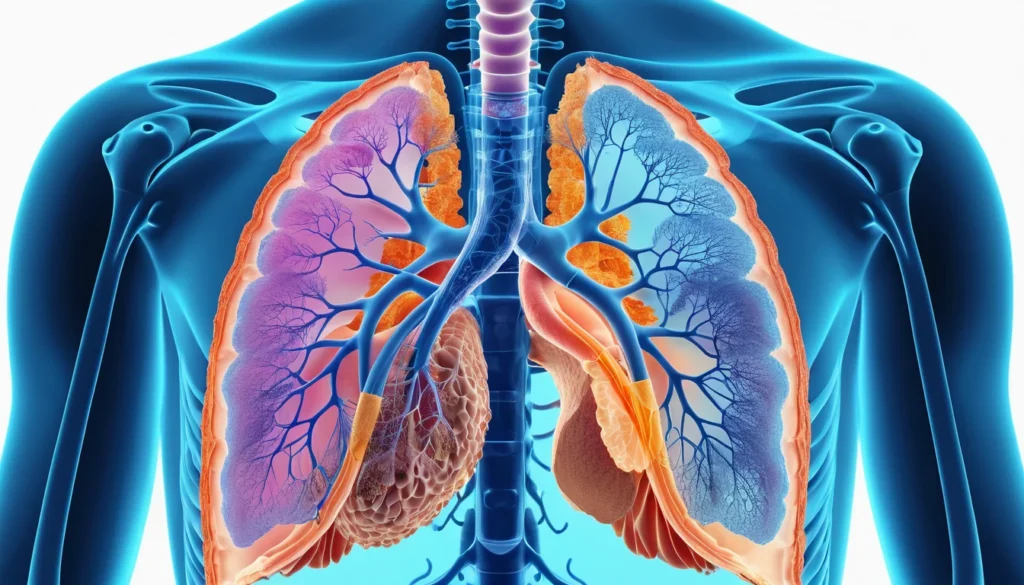
Your airways — called bronchial tubes — carry air in and out of your lungs. When these tubes become inflamed, the condition is called acute bronchitis. The inflammation causes your body to produce more mucus than usual, which makes it harder to breathe and triggers a persistent cough.
The good news is that acute bronchitis is short-term. Most uncomplicated cases last between 5 and 10 days. However, the cough can linger for up to three weeks even after the infection clears. This is completely normal and does not mean the infection is getting worse.
Bronchitis is different from pneumonia. With bronchitis, a chest X-ray will look normal. Pneumonia, on the other hand, shows visible changes in the lungs on an X-ray. Your doctor may order one to rule out pneumonia, especially if your symptoms are severe.
What Causes Acute Bronchitis?
The same viruses that cause the common cold are responsible for most cases of acute bronchitis. These viruses attack the lining of the bronchial tubes and cause irritation and swelling. Your immune system fights back, but the recovery process takes time — and during that time, you cough and feel short of breath.
There are three main types of acute bronchitis based on what triggers it.
Viral Bronchitis
This is the most common type. It is caused by viruses such as influenza A and B, respiratory syncytial virus (RSV), adenovirus, and the measles virus. Viral bronchitis is especially common in children and young adults. RSV and parainfluenza virus type 3 are the most frequent culprits in infants and toddlers.
Bacterial Bronchitis
Bacterial bronchitis usually develops as a complication of a viral infection. Bacteria that normally live in the throat — such as pneumococci and streptococci — can spread to the airways when the body is already weakened. This type is less common but may require specific treatment.
Chemical or Environmental Bronchitis
Breathing in irritants like dust, cement powder, smoke, acid vapours, ammonia, or acetone can also inflame the airways. This type often affects people who work in construction, manufacturing, or other industrial settings. Avoiding the irritant is the most important step in recovery.
Who Is Most at Risk?
Anyone can develop acute bronchitis, but some people are more likely to get it than others. Understanding your risk can help you take steps to protect yourself.
Smokers: Smoking damages the airways over time, making them more vulnerable to infection and slowing recovery.
Children and infants: Acute bronchitis accounts for about 20% of all acute respiratory infections in children.
Older adults: People over 40 are at higher risk for complications, including pneumonia and chronic obstructive pulmonary disease (COPD).
People exposed to workplace fumes or smoke: Long-term exposure to air pollutants weakens the airways.
People with chronic health conditions: Heart disease, asthma, or immune system problems can make bronchitis harder to recover from.
Furthermore, bronchitis spreads through coughing. If someone around you has a respiratory infection, practising good hand hygiene and avoiding close contact can lower your risk.
Recognising the Symptoms of Acute Bronchitis
The symptoms of acute bronchitis typically begin after a cold or other upper respiratory infection. At first, you may notice a runny nose and mild fever. Within three to four days, a dry, frequent cough often develops.
Over the following two to three days, the cough usually becomes productive. This means you start coughing up mucus, which may be clear, white, yellow, or green. The colour of the mucus does not necessarily mean you need antibiotics — coloured mucus can still be caused by a virus.
Other common symptoms include:
Chest tightness or a burning feeling in the chest
Wheezing or a whistling sound when you breathe
Shortness of breath, especially during activity
Mild fever and chills
Fatigue and general feeling of being unwell
In infants and young children, the cough can sometimes trigger vomiting mixed with mucus. This is unpleasant but usually not dangerous. In older adults, however, acute bronchitis can worsen existing heart conditions and should be monitored carefully.
How Is Acute Bronchitis Diagnosed?
Your doctor will usually diagnose acute bronchitis based on your symptoms and a physical examination. They will listen to your lungs with a stethoscope. In bronchitis, they may hear harsh or rattling breath sounds, which is a key sign of airway inflammation.
In most straightforward cases, no further testing is needed. However, your doctor may recommend additional tests to rule out other conditions.
Tests Your Doctor May Order
A chest X-ray may be done to rule out pneumonia. Keep in mind that chest X-rays are not done during pregnancy. A complete blood count (CBC) may show normal results or a slight decrease in white blood cells with a viral infection. A bacterial infection may show an increase in white blood cells instead.
In some cases, a sputum culture — a lab test on your coughed-up mucus — may be needed. This is more common for people with serious underlying health conditions. Your doctor may also use a rhinoscopy or pharyngoscopy (examinations of the nose and throat) to check for related infections.
According to Health Canada, respiratory infections like bronchitis are among the most common reasons Canadians visit their family doctor or walk-in clinic each year.
Treatment for Acute Bronchitis
Here is an important fact: because acute bronchitis is almost always caused by a virus, antibiotics will not help. This is true even if your mucus looks yellow or green. Taking antibiotics when you do not need them contributes to antibiotic resistance, which is a growing health concern in Canada.
Treatment focuses on relieving symptoms and supporting your body as it heals.
Home Care and Self-Management
Rest: Give your body time to recover. Do not push through exhaustion.
Stay hydrated: Drinking plenty of fluids helps thin the mucus and makes it easier to cough up. This is especially important for children, who can become dehydrated quickly due to fever and rapid breathing.
Use a humidifier: Adding moisture to the air can soothe irritated airways.
Avoid smoke and polluted air: Smoking or being around smoke will significantly slow your recovery. If you smoke, this is a good time to speak with your doctor about quitting.
Honey and warm liquids: Warm water with honey can help soothe a sore throat and reduce coughing, particularly in adults and older children.
Medications That May Help
Over-the-counter pain relievers like acetaminophen or ibuprofen can reduce fever and ease chest discomfort. Mucolytic agents — medications that thin and loosen mucus — may be recommended to make it easier to clear your airways. Examples include acetylcysteine and bromhexine.
In some cases, your doctor may prescribe an inhaler. Inhalers are commonly used for asthma, but they can also help open the airways in people with bronchitis who experience significant wheezing or breathlessness.
Antiviral medications may occasionally be used. Antibiotics are only recommended in rare cases — for example, if your doctor confirms a bacterial infection caused by Mycoplasma pneumoniae, erythromycin may be prescribed.
The Mayo Clinic’s overview of acute bronchitis also confirms that most people recover fully without antibiotics and that supportive home care is the foundation of treatment.
Acute Bronchitis in Children and Older Adults
Children are particularly vulnerable to acute bronchitis. It makes up about 20% of all acute respiratory infections in children. Adenoviruses cause up to 20% of childhood cases, while influenza viruses are responsible for up to 10%.
For children and infants, maintaining proper hydration is the top priority. If your child cannot keep fluids down or shows signs of dehydration — such as a dry mouth, no tears when crying, or very little urination — contact your family doctor or visit a walk-in clinic right away. Oral rehydration solutions can help in mild cases.
In older adults, the obstructive form of acute bronchitis can be more serious. It can worsen existing heart conditions caused by ischemic heart disease or valve problems. It can also lead to complications like bronchopneumonia. Therefore, older adults should not wait to seek medical advice if their symptoms are not improving.
Possible Complications of Acute Bronchitis
Complications from acute bronchitis are uncommon when the infection is treated properly. However, they are possible, particularly in people who smoke, have existing lung disease, or are over the age of 40.
The most serious complications include:
Pneumonia: If the infection spreads deeper into the lungs, it can develop into pneumonia. Symptoms that suggest pneumonia include high fever, chills, and severe shortness of breath.
Chronic obstructive pulmonary disease (COPD): Repeated bouts of bronchitis, especially in smokers, can contribute to COPD over time.
Asthma: Sometimes bronchitis and asthma are confused because they share symptoms. If you wheeze regularly, your doctor may test you for asthma.
Acid reflux-related bronchitis: Stomach acid that travels up into the lungs during sleep can irritate the airways and cause chronic coughing. If you wake up with a sour taste in your mouth, mention this to your doctor.
As the World Health Organization notes on respiratory disease, early treatment and avoiding irritants like smoke are the best ways to prevent chronic lung conditions from developing.
Prevention: How to Lower Your Risk
You cannot always prevent acute bronchitis, but you can take steps to reduce your chances of getting it — or getting it again.
Get your flu shot: The annual influenza vaccine is especially important for older adults, young children, and people with chronic conditions like cystic fibrosis or COPD. Most provincial health plans in Canada cover the flu vaccine at no cost.
Wash your hands often: Viruses spread through contact. Regular handwashing is one of the simplest and most effective ways to avoid infection.
Do not smoke: Smoking is one of the biggest risk factors for bronchitis and COPD. Ask your family doctor about smoking cessation programmes — many are covered under provincial health plans.
Protect yourself at work: If you work around dust, fumes, or chemicals, wear proper protective equipment such as a mask or respirator.
Eat a balanced diet: Good nutrition supports a healthy immune system. Aim for plenty of fruits, vegetables, whole grains, and fibre-rich foods.
Avoid cold exposure: Dress warmly in winter, especially in Canada’s colder provinces, to avoid stressing your immune system.
When to See a Doctor
Most cases of acute bronchitis get better on their own. However, some symptoms mean you should contact your family doctor or visit a walk-in clinic sooner rather than later.
See a doctor if you experience any of the following:
Your cough lasts more than three to four weeks
You cough up blood
You have a high or recurring fever
You have difficulty breathing while lying down or during sleep
You notice swelling in your hands or feet
Your symptoms are getting worse instead of better after a week
You are an older adult with a heart condition
Your child shows signs of dehydration or severe breathing difficulty
If you do not have a family doctor, a walk-in clinic is a good option for assessing and treating acute bronchitis. Many clinics across Canada accept walk-in patients without an appointment. In urgent situations — such as severe breathing difficulty — go to your nearest emergency department.
Always speak with a healthcare professional before starting or stopping any medication. This article is for informational purposes only and is not a substitute for professional medical advice.
Frequently Asked Questions About Acute Bronchitis
How long does acute bronchitis last?
Most uncomplicated cases of acute bronchitis clear up within 5 to 10 days with proper care. However, a lingering cough can persist for up to three weeks after the infection is gone. If your cough lasts longer than four weeks, visit your family doctor or a walk-in clinic.
Do I need antibiotics for acute bronchitis?
In most cases, no. Acute bronchitis is almost always caused by a virus, and antibiotics do not work against viruses. Even if your mucus is yellow or green, antibiotics are usually not needed. Your doctor will only prescribe them if a specific bacterial infection is confirmed.
Is acute bronchitis contagious?