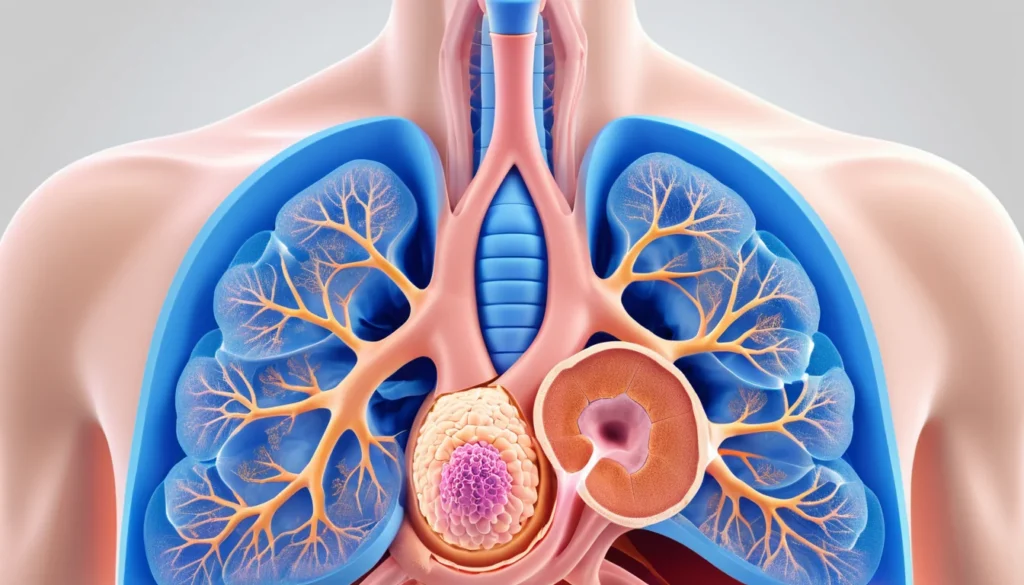
Acute bronchitis is a common respiratory illness that affects both adults and children across Canada. It happens when the airways leading to your lungs become inflamed, usually after a cold or flu. Most people recover fully within two to three weeks, though a cough can linger longer. In this article, you’ll learn what causes acute bronchitis, what symptoms to watch for, and when it’s time to visit your family doctor or a walk-in clinic.
What Is Acute Bronchitis?
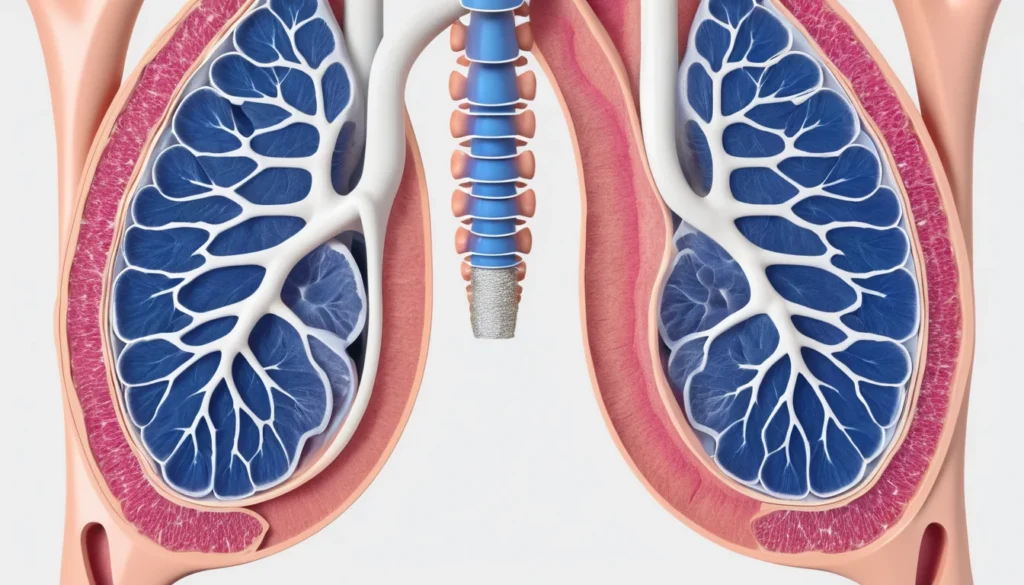
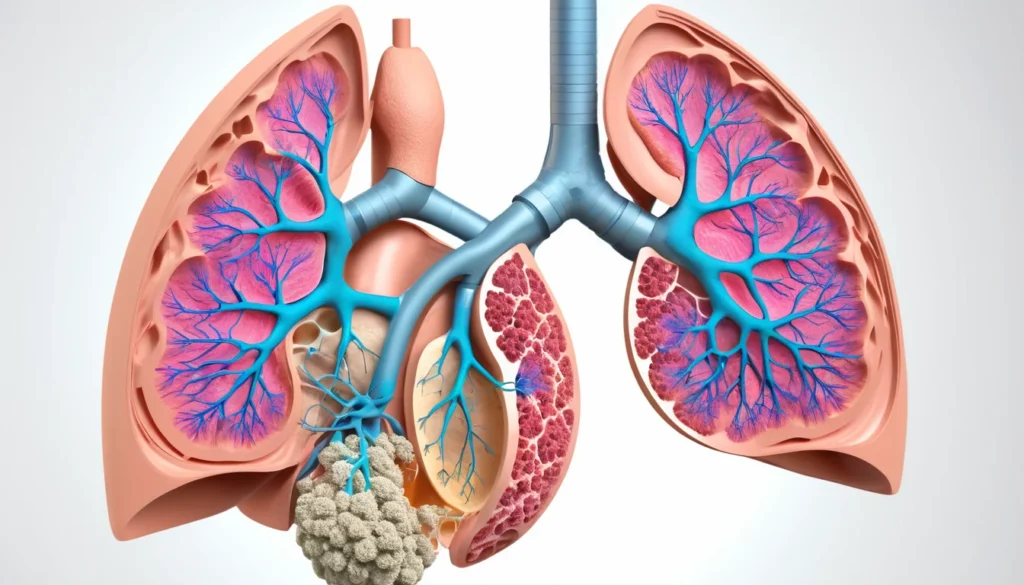
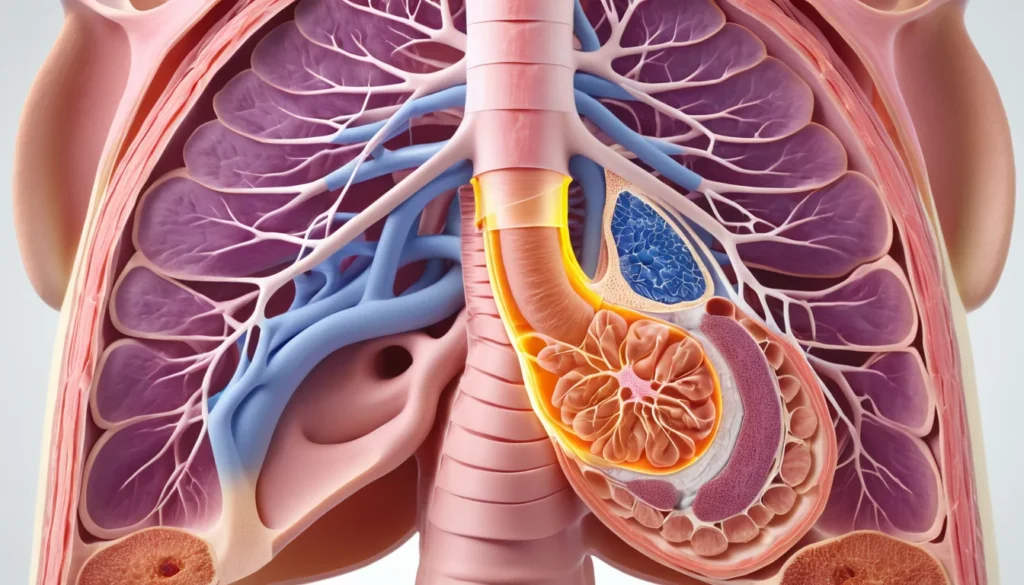
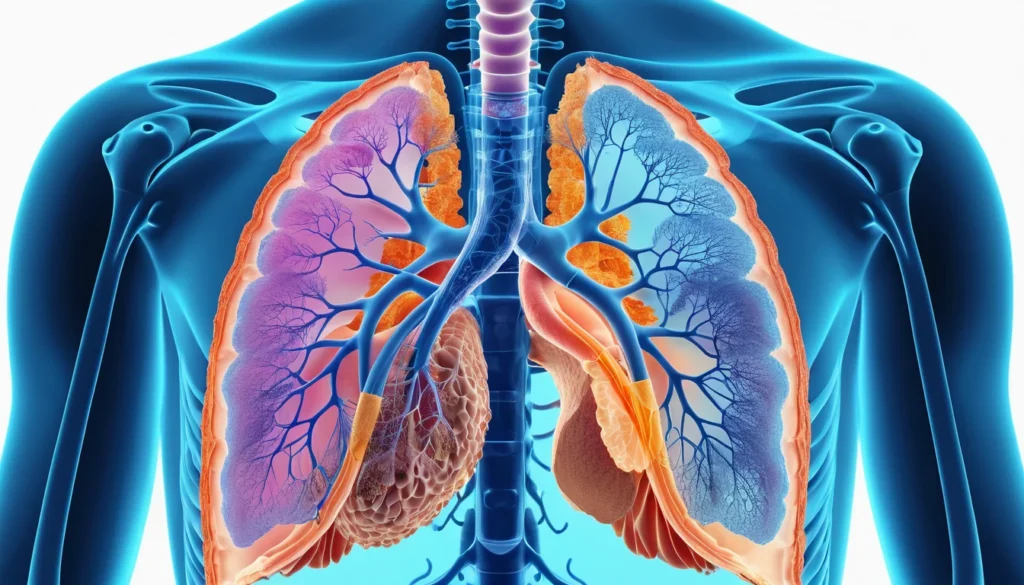
Your airways are the tubes that carry air into and out of your lungs. When these airways become inflamed, the condition is called bronchitis. The inflammation causes the airway walls to swell and produce extra mucus, which triggers coughing.
There are two main types of bronchitis. Acute bronchitis comes on quickly and usually clears up within one to two weeks, though a cough can last a few weeks longer. Chronic bronchitis, on the other hand, lasts much longer and is most common in people who smoke.
Chronic bronchitis is defined as a productive cough — one that brings up mucus — lasting at least three months per year for two years in a row. It is a form of chronic obstructive pulmonary disease (COPD). This article focuses on the acute form, which is far more common and usually much less serious.
Common Causes of Acute Bronchitis
In most cases, a virus causes acute bronchitis. It often follows a cold or flu caused by viruses such as the coronavirus, adenovirus, or rhinovirus. The respiratory syncytial virus (RSV) can also trigger acute bronchitis, particularly in adults over 65.
However, viruses are not the only cause. In about 10% of cases, bacteria are responsible. In addition, breathing in irritants can also lead to acute bronchitis. These irritants include:
Cigarette smoke or second-hand smoke
Air pollution or chemical fumes
Dust or workplace irritants
Accidentally inhaling food, vomit, or mucus
Acute bronchitis tends to be more common during winter months. This is partly because people spend more time indoors together, making it easier for viruses to spread from person to person.
How Does Acute Bronchitis Spread?
Like the common cold, acute bronchitis spreads through infected droplets in the air. When a sick person coughs or sneezes, they release tiny droplets carrying the virus. You can breathe these in, or pick up the virus by touching a contaminated surface and then touching your nose, eyes, or mouth.
Good hygiene habits are your best defence. Washing your hands regularly, avoiding touching your face, and staying home when you feel unwell can all help reduce the spread. According to Health Canada, hand hygiene is one of the most effective ways to prevent the spread of respiratory illness.
Recognising the Symptoms of Acute Bronchitis
Symptoms of acute bronchitis typically appear three to four days after an upper respiratory infection like a cold or flu. They can range from mild to more uncomfortable, but most people manage them at home.
Early Symptoms
In the first few days, you may notice a dry cough that produces little or no mucus. You might also feel a general sense of tiredness and a mild fever, usually around 38°C. A dull, aching sensation in your chest is also common, especially when you cough or take a deep breath.
Symptoms That Develop Over Time
As the illness progresses, the cough typically becomes productive, meaning it brings up mucus. This mucus can be clear, yellow, or green. In some cases, you may notice small streaks of blood in the mucus, which sounds alarming but is usually caused by irritation from coughing.
Other symptoms you might experience include:
Wheezing — a whistling sound when you breathe out
Shortness of breath
A feeling of tightness in the chest
General fatigue and low energy
For most people, symptoms ease within two to three weeks. However, about 20% of people find their cough lasts up to four weeks. This is completely normal and does not necessarily mean your condition is getting worse.
Acute Bronchitis vs. Pneumonia
Acute bronchitis and pneumonia can have similar symptoms, which makes it important to know the difference. Pneumonia is a more serious illness that requires prompt medical attention. Key signs that point to pneumonia rather than bronchitis include a high fever with chills and significant difficulty breathing. If you experience these symptoms, see a doctor right away.
For more information on respiratory illnesses, the Mayo Clinic’s guide to bronchitis offers a helpful overview of how to tell conditions apart.
Risk Factors for Acute Bronchitis
Anyone can develop acute bronchitis, but some people are more likely to get it or to experience more serious symptoms. Understanding your risk factors can help you take steps to protect yourself.
You may be at higher risk if you:
Smoke or are regularly exposed to second-hand smoke
Have a chronic respiratory condition such as asthma or COPD
Have a weakened immune system due to conditions like diabetes, HIV/AIDS, or cystic fibrosis
Have recently had a cold, flu, or sinus infection
Are over the age of 65 or are a young child
Work in environments with dust, fumes, or chemicals
Children who experience repeated episodes of acute bronchitis may need further investigation. A doctor may check for conditions such as cystic fibrosis, bronchiectasis (damaged and widened airways), allergies, tonsillitis, or sinusitis. These conditions can make children more vulnerable to repeated airway infections.
Possible Complications
The good news is that most people with acute bronchitis recover completely without any complications. However, in some cases, complications can develop, especially in people who are older, smoke, or have existing health conditions.
Possible complications include:
Pneumonia: If the infection spreads deeper into the lungs, it can cause pneumonia. Watch for a high fever, chills, sharp chest pain, and significant shortness of breath.
Recurring bronchitis: Some people, particularly smokers or those with a weakened immune system, experience repeated bouts of bronchitis. This can eventually lead to chronic bronchitis.
Bronchiectasis: In rare cases, repeated or severe bronchitis can damage the airway walls, causing them to widen permanently. This condition is called bronchiectasis.
Worsening of existing conditions: In people with asthma, acute bronchitis can trigger a significant increase in wheezing and coughing. Children and older adults face a higher risk of developing complications overall.
Treatment Options for Acute Bronchitis
Because most cases of acute bronchitis are caused by viruses, antibiotics will not help. Antibiotics only fight bacterial infections. Taking them unnecessarily can contribute to antibiotic resistance, which is a growing public health concern in Canada.
Home Care and Self-Management
Most people can manage acute bronchitis safely at home with rest and over-the-counter remedies. Useful strategies include:
Rest: Give your body the time it needs to recover.
Stay hydrated: Drinking plenty of fluids helps thin mucus and makes it easier to cough up.
Use a humidifier: Moist air can soothe irritated airways, especially in dry Canadian winters.
Honey and warm liquids: A spoonful of honey in warm water or herbal tea may help soothe a cough. Note: Never give honey to children under one year of age.
Over-the-counter medication: Pain relievers like acetaminophen or ibuprofen can reduce fever and ease chest discomfort. Always follow the package directions.
When Antibiotics Are Needed
In the small percentage of cases where bacteria cause acute bronchitis, a doctor may prescribe antibiotics. Furthermore, if you have a chronic lung condition such as COPD or asthma, your doctor may recommend additional treatments like a bronchodilator inhaler to help open your airways.
The Healthline overview of acute bronchitis treatment provides a helpful summary of evidence-based care options for this condition.
When to See a Doctor
Most cases of acute bronchitis do not require a visit to a doctor. However, there are situations where you should seek medical care promptly. In Canada, you can visit your family doctor or a local walk-in clinic for assessment. If your symptoms are severe, go to the nearest emergency department.
See a doctor if you experience:
A fever above 38.5°C or a fever that lasts more than three days
Coughing up significant amounts of blood
Shortness of breath or difficulty breathing
Symptoms that do not improve after three weeks
Chest pain that is sharp or severe
Symptoms in a child under three months old
Worsening symptoms after initially feeling better
It is always a good idea to check with your family doctor or pharmacist before starting any new medication, especially if you have a pre-existing health condition. Your provincial health plan covers most visits to family doctors and walk-in clinics across Canada, so do not hesitate to reach out if you are concerned.
This article is intended for general information only. Always consult your doctor or a qualified healthcare professional for advice specific to your situation.
Frequently Asked Questions About Acute Bronchitis
How long does acute bronchitis last?
Most cases of acute bronchitis clear up within two to three weeks. However, the cough associated with acute bronchitis can sometimes linger for up to four weeks, even after other symptoms have resolved. This is normal and does not always mean you need antibiotics or additional treatment.
Is acute bronchitis contagious?
Yes, acute bronchitis is contagious when it is caused by a virus or bacteria. It spreads through infected droplets released when a sick person coughs or sneezes. You can reduce your risk by washing your hands frequently and avoiding close contact with people who are unwell.
Do I need antibiotics for acute bronchitis?
In most cases, antibiotics are not needed for acute bronchitis because viruses are usually responsible, and antibiotics do not work against viruses. Your doctor may prescribe antibiotics if a bacterial infection is confirmed. Taking antibiotics when they are not needed can contribute to antibiotic resistance.
What is the difference between acute bronchitis and pneumonia?
Both conditions affect the respiratory system and share symptoms like cough and fever. However, pneumonia is more serious and typically causes a higher fever, chills, and more significant difficulty breathing. If you suspect pneumonia, seek medical attention right away rather than managing symptoms at home.
Can acute bronchitis turn into chronic bronchitis?
A single episode of acute bronchitis does not typically lead to chronic bronchitis. However, repeated episodes — especially in people who smoke — can increase the risk of developing chronic bronchitis over time. Quitting smoking is the single most effective step you can take to protect your lung health.
How can I prevent acute bronchitis?
You can lower your risk of acute bronchitis by washing your hands regularly, getting your annual flu shot, avoiding smoking, and staying away from air pollutants and chemical fumes. Keeping your immune system strong through a balanced diet, regular exercise, and adequate sleep also helps your body fight off respiratory infections.
Key Takeaways
Acute bronchitis is inflammation of the airways, most often caused by a virus following a cold or flu.
The main symptom is a cough that may start dry and become productive, bringing up yellow or green mucus.
Most people recover fully at home within two to three weeks with rest, fluids, and over-the-counter remedies.
Antibiotics are usually not needed, as most cases are viral in origin.
See your family doctor or a walk-in clinic if you have a high fever, cough up blood, struggle to breathe, or symptoms do not improve after three weeks.
Smokers and people with chronic lung conditions face a higher risk of complications and should be especially vigilant.
Preventing the spread through good hand hygiene and getting your annual flu shot are simple but effective steps every Canadian can take.