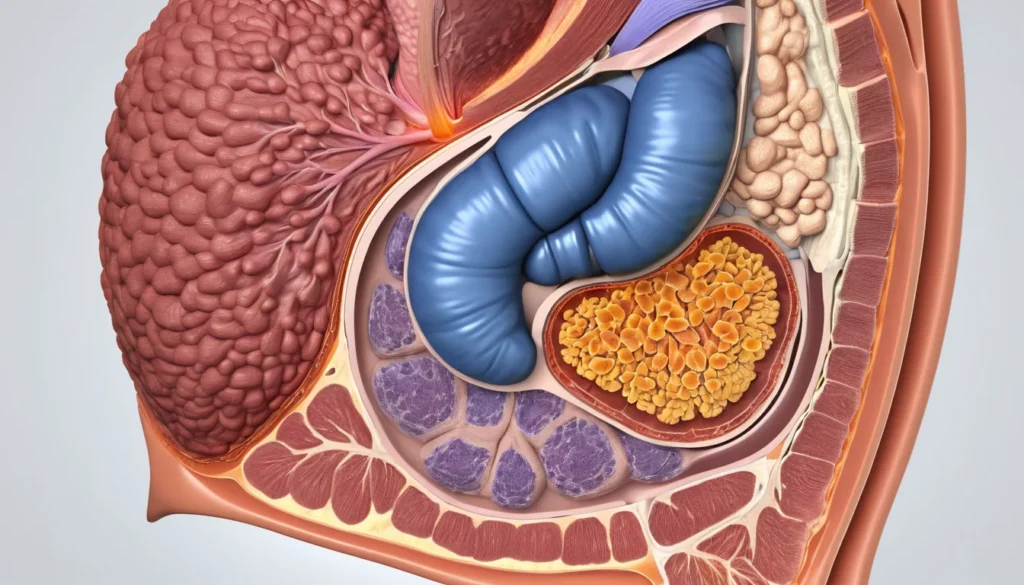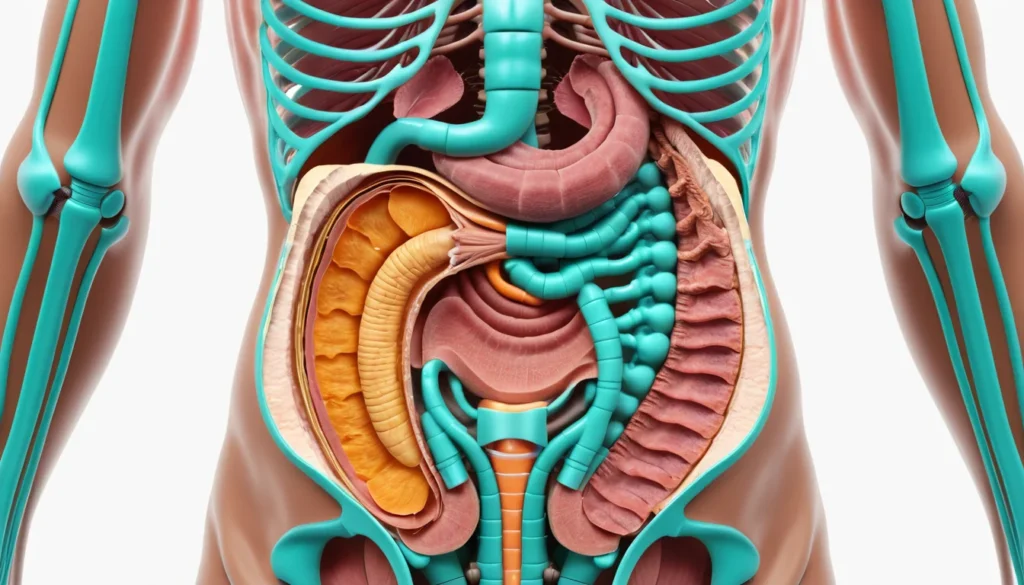
Acute abdominal pain is one of the most common reasons Canadians visit a walk-in clinic or emergency room. While stomach pain is often minor, severe or sudden abdominal pain can be a sign of a serious medical condition. In some cases, it may require emergency surgery. This guide explains the types of abdominal pain, what causes it, and when you need to act fast.
What Is Acute Abdominal Pain?
Abdominal pain is very common, and most of the time it is not serious. However, acute abdominal pain — pain that comes on suddenly and feels severe — is almost always a symptom of something happening inside your abdomen. It can be the only warning sign that surgery is needed.
Doctors must diagnose the cause quickly. Delay can be dangerous. This is especially true for very young children, older adults, people living with HIV, or those taking medications that suppress the immune system.
It is also worth knowing that people experience pain differently. Older adults may feel less pain even when the problem is serious. Infants, toddlers, and some seniors may have trouble pointing to where the pain is coming from. As a result, caregivers should watch closely for other signs like changes in behaviour, appetite, or movement.
Types of Acute Abdominal Pain
Understanding the type of pain helps doctors find the cause. There are three main types of abdominal pain.
Visceral Pain
Visceral pain starts in the internal organs of the abdomen. These organs are connected to the nervous system through fibres that respond to stretching and muscle contractions. This type of pain tends to feel dull, vague, and crampy. It is often hard to pinpoint exactly where it hurts.
The location of visceral pain can give clues about the affected organ. For example, pain from the stomach, liver, or pancreas is usually felt in the upper abdomen. Pain from the small intestine or appendix tends to cluster around the belly button. Pain from the lower colon or urinary tract is felt in the lower abdomen.
Somatic Pain
Somatic pain comes from the lining of the abdominal cavity, called the peritoneum. This lining is connected to the body’s main nerve network. It reacts to irritation from infection, chemicals, or inflammation. Somatic pain is usually sharp and easy to locate. It often signals a more urgent problem.
Referred Pain
Referred pain is felt somewhere away from the actual source of the problem. This happens because nerve fibres from different parts of the body meet in the spinal cord. For example, a gallbladder attack can cause shoulder blade pain. A kidney stone can cause pain in the groin. Irritation of the diaphragm can cause shoulder pain. These patterns help doctors identify the root cause.
Common Causes of Acute Abdominal Pain
Many different conditions can cause acute abdominal pain. Some are mild and resolve on their own. Others are life-threatening and need emergency care right away.
Emergencies That Cannot Wait
The following conditions are medical emergencies. If you or someone you know has sudden, severe abdominal pain, call 911 or go to the nearest emergency room immediately.
Ruptured aortic aneurysm — a tear in the body’s main artery
Perforated organ — a hole in the stomach, intestine, or other organ
Mesenteric ischaemia — loss of blood supply to the intestines
Ruptured ectopic pregnancy — a pregnancy growing outside the uterus that has burst
Serious Conditions That Need Prompt Care
These conditions are also serious and need fast medical attention, though they may not require immediate surgery in every case.
Appendicitis — inflammation of the appendix
Bowel obstruction — a blockage in the small or large intestine
Acute pancreatitis — sudden inflammation of the pancreas
Most Frequent Causes by Percentage
Research on patients presenting with acute abdominal pain shows the following breakdown of causes:
Non-specific abdominal pain (no clear cause found) — 34%
Appendicitis — 28%
Gallbladder disease — 10%
Small bowel obstruction — 4%
Gynaecological conditions — 4% (including pelvic inflammatory disease, ovarian cysts, and ectopic pregnancy)
Pancreatitis — 3%
Kidney stones — 3%
Perforated ulcer — 3%
Cancer — 2%
Diverticulitis — 2%
Other causes — 6%
Causes Outside the Abdomen
Not all abdominal pain starts in the belly. Several conditions elsewhere in the body can cause stomach pain. These include:
Heart attack
Pneumonia
Pulmonary embolism (blood clot in the lungs)
Diabetic ketoacidosis
Shingles (herpes zoster)
Testicular torsion
Sickle cell disease
Porphyria (a rare metabolic disorder)
Heavy metal or methanol poisoning
This is why doctors look at the whole body, not just the abdomen, when evaluating this type of pain.
How Doctors Diagnose Acute Abdominal Pain
A detailed medical history is usually the first and most important step. Your doctor will ask where the pain is, what it feels like, when it started, and what makes it better or worse. Furthermore, they will ask about related symptoms like nausea, vomiting, diarrhoea, constipation, jaundice, blood in the stool or urine, and unexplained weight loss.
Your doctor will also review your current medications. Many drugs can irritate the gastrointestinal tract. Blood thinners, in particular, can increase the risk of internal bleeding and bruising.
Physical Examination
How you look and act when you arrive is important. A person who appears comfortable and relaxed is less likely to have a serious problem than someone who looks pale, anxious, or in obvious distress. Your doctor will check your blood pressure, heart rate, and level of consciousness.
The physical exam focuses on your abdomen. The doctor starts by looking and listening, then gently pressing on different areas. They begin away from the most painful spot. They check for muscle guarding, rigidity, or any unusual lumps or masses.
Diagnostic Tests
Depending on the findings, your doctor may order one or more of the following tests:
Blood tests (to check for infection, inflammation, or organ damage)
Urine analysis
Pregnancy test (for people who could be pregnant)
Abdominal X-ray
Chest X-ray
Abdominal ultrasound
CT scan with contrast dye
However, imaging tests should never delay surgery when the signs and symptoms already point clearly to an emergency. In those cases, fast action saves lives. Learn more about diagnostic imaging from Health Canada’s official health resources.
Treatment Options for Abdominal Pain
Treatment depends entirely on the cause. In some cases, managing pain before a diagnosis is confirmed was once thought to interfere with the assessment. However, current evidence shows that moderate doses of pain relief given through an IV do not hide important signs. In fact, reducing anxiety and discomfort often makes the examination easier and more accurate.
Pain Relief
Low-dose opioid medications, such as morphine, can reduce muscle guarding and help the patient better identify where the pain is coming from. If needed, the effects of opioids can be reversed with a medication called naloxone. Anti-inflammatory medications (NSAIDs) are useful for kidney stone pain. Their use for other causes of abdominal pain is more debated, since they can irritate the stomach lining and may mask early signs of a serious infection.
Anti-Nausea Medication
Anti-nausea medications help patients feel more comfortable and make it easier for doctors to complete a thorough exam. They are commonly used alongside pain relief in an emergency setting.
Antibiotics and Surgery
When infection is present, antibiotics are started based on the likely cause. Conditions like appendicitis, bowel perforation, ectopic pregnancy, or a ruptured aortic aneurysm require emergency surgery. A surgical or gynaecological specialist will be called in quickly when any of these are suspected.
For more information on abdominal conditions, visit the Mayo Clinic’s guide to abdominal pain.
When to See a Doctor
Many people with mild abdominal pain can safely manage at home with rest and fluids. However, you should contact your family doctor or visit a walk-in clinic if your pain lasts more than a few hours, keeps coming back, or is getting worse. Most provincial health plans cover these visits, so do not hesitate to seek care.
Call 911 or go to the emergency room immediately if you have:
Sudden, severe abdominal pain that does not go away
Pain with fever, vomiting, or inability to keep fluids down
A rigid or board-like belly
Blood in your stool, vomit, or urine
Pain after a recent injury to the abdomen
Signs of shock — pale skin, rapid heartbeat, confusion, or fainting
Pain in pregnancy, especially with vaginal bleeding
Children and older adults need special attention. Their symptoms may be less obvious, but the underlying conditions can be just as serious. Always err on the side of caution and speak with a healthcare provider. The World Health Organization’s health fact sheets offer additional guidance on recognising urgent symptoms.
Always speak with a qualified healthcare provider before drawing conclusions about your symptoms. This article is for informational purposes only and does not replace professional medical advice.
Frequently Asked Questions About Acute Abdominal Pain
What does acute abdominal pain feel like?
Acute abdominal pain can feel sharp, cramping, dull, or burning depending on the cause. It may come on suddenly or build gradually. If the pain is severe, does not go away, or comes with other symptoms like fever or vomiting, seek medical care right away.
What are the most common causes of acute abdominal pain in adults?
The most common causes of acute abdominal pain in adults include non-specific pain with no identified cause, appendicitis, gallbladder disease, bowel obstruction, and kidney stones. In people who could be pregnant, an ectopic pregnancy must always be ruled out quickly.
When is abdominal pain a medical emergency?
Abdominal pain is a medical emergency when it is sudden and severe, comes with a rigid belly, fever, signs of shock, or blood in the stool or vomit. These symptoms can indicate a ruptured organ, internal bleeding, or another life-threatening condition that needs immediate care.
Can conditions outside the stomach cause abdominal pain?
Yes, several conditions outside the abdomen can cause stomach pain. Heart attacks, pneumonia, and diabetic ketoacidosis are well-known examples. This is why a thorough medical assessment — not just a focus on the belly — is important when evaluating acute abdominal pain.
Should I go to a walk-in clinic or the ER for stomach pain?
For mild or moderate stomach pain that is not getting worse, a walk-in clinic or your family doctor is a good first step, and most provincial health plans cover these visits. However, if the pain is severe, sudden, or comes with worrying symptoms like a fever or bloody stool, go to the emergency room or call 911.
How is acute abdominal pain diagnosed?
Doctors diagnose acute abdominal pain through a combination of your medical history, a physical examination, and tests such as blood work, urine analysis, ultrasound, or a CT scan. The goal is to identify the cause quickly so the right treatment can begin without delay.
Key Takeaways
Acute abdominal pain is sudden, severe stomach pain that always needs proper medical evaluation. There are three types: visceral (organ-based), somatic (lining-based), and referred (felt away from the source). The most common cause is non-specific pain, but appendicitis and gallbladder disease are also very frequent. Some emergencies — like a ruptured aortic aneurysm or ectopic pregnancy — need immediate surgery. Diagnosis involves a full history, physical exam, and targeted tests like blood work, ultrasound, or CT scan. For mild pain, a family doctor or walk-in clinic is your first stop. For severe or sudden pain, go to the