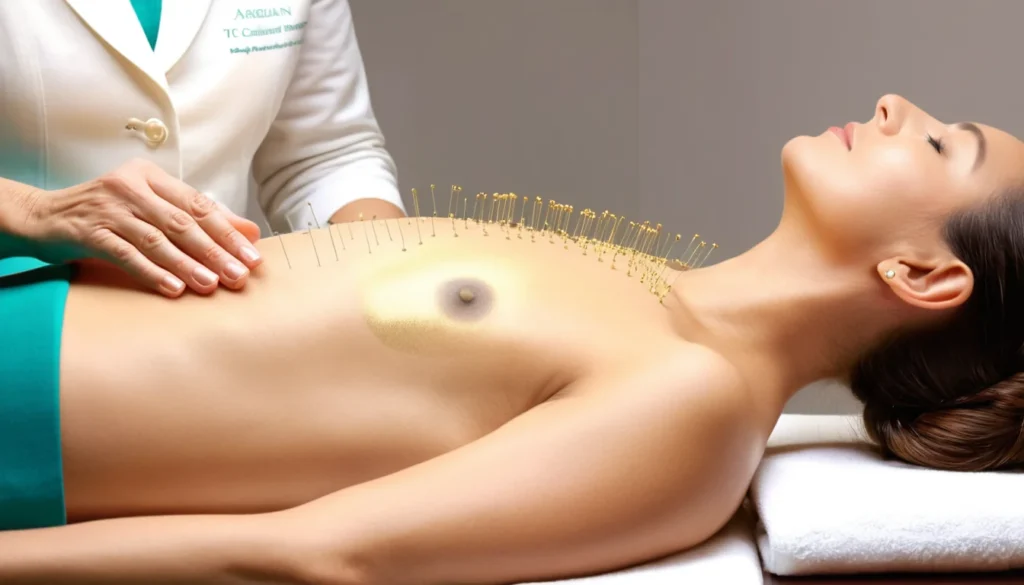
Acupuncture is a form of traditional Chinese medicine that has been practised for thousands of years. It involves inserting very thin needles into specific points on the body to help relieve pain and support overall health. Today, many Canadians use acupuncture alongside conventional treatments covered by provincial health plans. In this article, we explain how acupuncture works, what conditions it may help, and what you can expect during a session.
What Is Acupuncture?
Acupuncture is a treatment rooted in traditional Chinese medicine (TCM). Practitioners believe that the body has an energy force called qi (pronounced “chee”) that flows along 24 pathways known as meridians.
When the flow of qi is blocked or unbalanced, illness or pain can follow. By inserting fine needles into precise points along these meridians, acupuncture aims to restore balance and support the body’s natural ability to heal.
From a Western medical perspective, research suggests that acupuncture may stimulate the nervous system. This can trigger the release of endorphins — the body’s natural pain-relieving hormones. Furthermore, the needles may distract peripheral nerves, helping to reduce the sensation of pain.
A Brief History of Acupuncture
Acupuncture originated in China between 3,000 and 4,000 BCE. Some historians believe early practitioners may have noticed unexpected improvements in patients who had been wounded by arrows or sharp objects — and began mapping these points on the body as a result.
Over centuries, practitioners refined the technique into a detailed system of over 787 specific points on the body’s surface. Each point belongs to a meridian linked to specific organs and bodily functions.
Acupuncture spread to Western countries during the 20th century. Today, it is widely practised across Canada and is recognised by many provincial colleges of traditional Chinese medicine and acupuncture as a regulated health profession.
How Does Acupuncture Work?
During an acupuncture session, your practitioner inserts very fine needles — usually made of stainless steel — into specific points on your skin. The depth of insertion is typically no more than three to four millimetres.
Depending on your condition, the practitioner may gently rotate or vibrate the needles after insertion. In some cases, a mild electrical current is applied to the needles to further stimulate the meridian. This technique is called electroacupuncture.
The Five Types of Acupuncture Points
Traditional Chinese medicine identifies five key categories of acupuncture points along each meridian:
Tonification points: These stimulate an organ function that is underperforming.
Dispersal points: These calm an organ that is overactive or producing too much of something.
Source points: These help regulate overall energy balance in the body.
Alarm points: These become naturally tender when the connected meridian is disrupted.
Passage points: These allow excess energy to flow out of an organ when needed.
Your practitioner chooses which points to target based on your specific health concerns. The angle, speed, and depth of needle insertion may all vary depending on the treatment goal.
What Conditions Can Acupuncture Help?
Acupuncture is used for a wide range of health conditions. It is most commonly recommended for pain management, but its applications go much further. According to the World Health Organization, acupuncture has been studied for dozens of conditions with varying levels of evidence.
Pain and Inflammation
Acupuncture is particularly effective for managing pain. Many Canadians turn to it for conditions such as migraines, nerve pain (neuralgia), muscle tension, and joint inflammation. It may also help people experiencing phantom limb pain after an amputation.
For minor muscle injuries like sprains or strains, acupuncture can offer real relief. However, it works best when there is no serious underlying tissue damage that requires medical treatment.
Respiratory and Allergy Conditions
Acupuncture has a long history of use for respiratory issues. Conditions such as chronic sinusitis, hay fever, and mild asthma are among the areas where it is most often used as a complementary therapy.
For example, some patients with seasonal allergies find that regular acupuncture sessions help reduce symptom severity. This does not replace allergy medication but may reduce the amount needed.
Digestive and Women’s Health
Acupuncture is also used in gastroenterology and women’s health. It may help manage nausea during pregnancy, menstrual pain (dysmenorrhea), and some digestive complaints.
In obstetrics, acupuncture is sometimes used to help manage labour pain. Some dental offices also use it as a complement to standard dental care.
Mental Health and Behaviour
Some Canadians use acupuncture to support their mental wellbeing. It may help with stress-related conditions, anxiety, nervousness, and sleep problems. However, it should always be used alongside — not instead of — standard mental health care.
According to Mayo Clinic’s overview of acupuncture, evidence supports its use for certain types of chronic pain, headaches, and nausea. Research on other conditions is still ongoing.
What to Expect During an Acupuncture Session
Your first acupuncture appointment usually starts with a detailed health history. Your practitioner will ask about your symptoms, lifestyle, and overall health before deciding on a treatment plan.
During the session, you will lie on your back or stomach on a treatment table. The practitioner inserts between 10 and 20 needles, depending on the condition being treated. Most people feel little to no pain during insertion, though you may notice a mild tingling or dull ache.
Session Length and Frequency
A typical acupuncture session lasts between 15 and 30 minutes. Most treatment plans involve a series of 5 to 10 sessions, scheduled either daily or every other day.
Results can vary from person to person. Some people feel improvement after one or two sessions. Others need a full series before noticing significant change.
Are the Needles Safe?
Safety is a top concern for anyone new to acupuncture. In Canada, regulated acupuncture practitioners are required to use sterile, single-use disposable needles. This dramatically reduces the risk of infection.
Reusable needles were once common but are now rare in reputable Canadian practices. Always confirm that your practitioner uses disposable needles before your session begins.
Risks and Side Effects of Acupuncture
When performed by a trained and regulated practitioner, acupuncture is generally safe. However, there are some risks to be aware of.
The most serious potential risk — though now rare — is infection. In the past, the reuse of needles without proper sterilisation led to cases of hepatitis and other blood-borne infections. Today, strict hygiene standards and single-use needles have largely eliminated this risk in regulated settings.
Minor side effects can include:
Mild soreness or bruising at needle sites
Slight bleeding at the insertion point
Temporary dizziness or lightheadedness
Fatigue after a session
In addition, acupuncture should never replace proven medical treatment for serious conditions. Relying solely on acupuncture when a more effective conventional treatment is available could delay necessary care and worsen your health outcome.
For more information on complementary health practices and safety, visit Health Canada’s natural health products information.
When to See a Doctor
Acupuncture can be a helpful part of your healthcare routine, but it is not a substitute for a proper medical diagnosis. If you are experiencing new or unexplained pain, persistent symptoms, or a health condition that has not been assessed, speak with your family doctor first.
Your family doctor can help determine whether acupuncture is appropriate for your situation and may refer you to a regulated acupuncture practitioner. If you do not have a family doctor, a walk-in clinic is a good first step to rule out any serious underlying conditions before starting complementary therapies.
It is also important to tell your doctor if you are already receiving acupuncture. Some conditions or medications may affect whether acupuncture is safe or suitable for you. Always make informed decisions as part of a broader healthcare plan.
Frequently Asked Questions About Acupuncture
Does acupuncture actually work?
Research shows that acupuncture is effective for certain conditions, particularly chronic pain, migraines, and nausea. Evidence is stronger for some conditions than others, and results can vary between individuals. It is best used as a complement to conventional medical care rather than a replacement.
Is acupuncture covered by provincial health plans in Canada?
Most provincial health plans in Canada do not cover acupuncture as a standard insured service. However, many extended health benefit plans offered through employers do include coverage for acupuncture sessions. Check your benefits booklet or contact your insurer to confirm your coverage.
Does acupuncture hurt?
Most people find that acupuncture causes very little pain. You may feel a brief pinch or tingling when a needle is inserted, but this usually fades quickly. The needles used are extremely thin — much finer than a standard medical needle — so most sessions are quite comfortable.
How many acupuncture sessions do I need?
The number of acupuncture sessions needed depends on your condition and how your body responds to treatment. Most practitioners recommend a series of 5 to 10 sessions, scheduled daily or every other day. Some people notice improvement quickly, while others need a full course of treatment.
Who should not get acupuncture?
While acupuncture is safe for most people, some individuals should exercise caution. People with bleeding disorders, those taking blood thinners, or those with pacemakers (especially for electroacupuncture) should consult their doctor before starting treatment. Always disclose your full medical history to your practitioner.
What is the difference between acupuncture and dry needling?
Acupuncture is based on traditional Chinese medicine and targets meridian points to balance the body’s energy. Dry needling is a Western technique used mainly by physiotherapists to release muscle trigger points and relieve localised pain. Both use thin needles, but their theories and applications are different.
Key Takeaways
Acupuncture is a traditional Chinese medicine practice that uses fine needles inserted into specific body points to relieve pain and support health.
Western research suggests acupuncture may work by triggering endorphin release and stimulating the nervous system.
It is commonly used for chronic pain, migraines, allergies, nausea, and stress-related conditions.
Sessions typically last 15 to 30 minutes and are usually given in a series of 5 to 10 treatments.
In Canada, regulated practitioners must use sterile, single-use needles, making the treatment safe when performed properly.
Acupuncture works best as a complementary therapy — used alongside, not instead of, conventional medical care.
Always speak with your family doctor or visit a walk-in clinic before starting acupuncture, especially if you have an undiagnosed condition.