The ACTH hormone — short for adrenocorticotropic hormone — is a powerful chemical messenger made in your brain. It controls how your adrenal glands work and plays a key role in your body’s response to stress, illness, and injury. In this article, we explain what ACTH does, what happens when levels are too high or too low, and when you should speak with a healthcare provider.
What Is the ACTH Hormone?
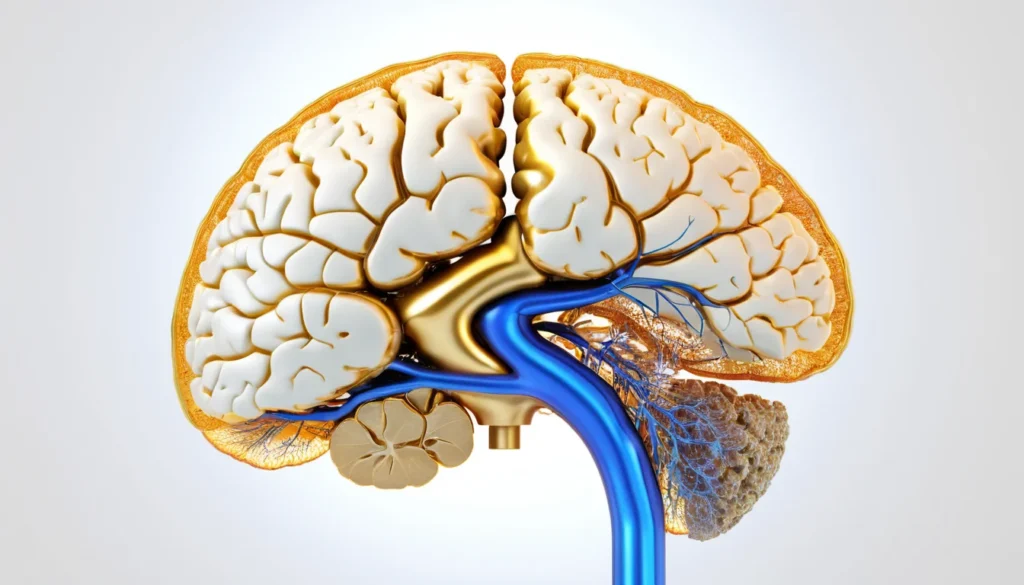
The ACTH hormone is produced by a small gland at the base of your brain called the pituitary gland. It travels through your bloodstream to reach your adrenal glands, which sit on top of your kidneys. Once it arrives, it tells those glands to produce cortisol and other important hormones.
ACTH goes by several names in medical literature. You may also hear it called adrenocorticotropin, corticotropin, or corticotrophin. All of these terms refer to the same hormone. Knowing this can help you understand your lab results or conversations with your doctor.
Cortisol — the hormone that ACTH triggers — is often called the “stress hormone.” However, it does much more than manage stress. It helps control blood sugar, reduce inflammation, regulate blood pressure, and support your immune system.
How Does ACTH Work in the Body?
Your body uses a feedback system to keep ACTH levels balanced. Think of it like a thermostat in your home. When cortisol levels drop too low, your brain signals the pituitary gland to release more ACTH. As a result, your adrenal glands produce more cortisol. When cortisol rises high enough, the brain turns the signal off.
This feedback loop is called the hypothalamic-pituitary-adrenal (HPA) axis. The hypothalamus — another part of your brain — starts the process by releasing a hormone called CRH (corticotropin-releasing hormone). CRH then tells the pituitary gland to release ACTH.
This system works around the clock. However, ACTH levels are not the same all day. They are typically highest in the early morning, just before you wake up. They drop throughout the day and reach their lowest point around midnight.
What Does Cortisol Actually Do?
Cortisol is essential for survival. It helps your body respond quickly to danger or illness. For example, during a stressful situation, cortisol boosts your energy and sharpens your focus.
In addition, cortisol plays a role in many everyday body functions. These include managing how your body uses carbohydrates, fats, and proteins. It also controls your sleep-wake cycle and supports healthy blood pressure.
What Happens When ACTH Levels Are Too High?
When your body produces too much ACTH hormone, your adrenal glands make too much cortisol. This condition is known as Cushing’s syndrome. It can develop slowly and affect many parts of the body.
Common signs of high ACTH and cortisol levels include:
Unexplained weight gain, especially around the face and belly
A rounded, puffy face (sometimes called a “moon face”)
A hump of fat on the upper back
Stretch marks on the skin, often pink or purple in colour
Thin, easily bruised skin
High blood pressure
Mood changes, including anxiety or depression
Irregular menstrual periods in women
Muscle weakness
In some cases, high ACTH is caused by a tumour on the pituitary gland. This specific form of Cushing’s syndrome is called Cushing’s disease. Furthermore, certain tumours in the lungs or elsewhere in the body can also produce ACTH on their own, independent of the pituitary gland.
According to the Mayo Clinic’s overview of Cushing’s syndrome, long-term exposure to high cortisol levels can lead to serious health problems, including bone loss and type 2 diabetes.
Can Medications Affect ACTH?
Yes. Long-term use of corticosteroid medications — such as prednisone — can suppress your body’s natural ACTH production. This is because the medication acts like cortisol in the body, so the brain stops signalling for more. If you stop taking corticosteroids suddenly, your adrenal glands may not produce enough cortisol on their own.
This is why doctors always advise patients to taper off these medications slowly, rather than stopping all at once. If you take corticosteroids regularly, speak with your family doctor or pharmacist before making any changes.
What Happens When ACTH Levels Are Too Low?
Low ACTH hormone levels mean the adrenal glands do not get enough stimulation to produce cortisol. This leads to a condition called adrenal insufficiency. It can make you feel persistently tired, weak, and unwell.
Symptoms of low ACTH and low cortisol may include:
Extreme fatigue and low energy
Unintended weight loss
Loss of appetite
Nausea, vomiting, or stomach pain
Dizziness or low blood pressure
Muscle aches or joint pain
Depression or difficulty concentrating
Darkening of the skin in some types of adrenal insufficiency
Addison’s disease is one form of adrenal insufficiency. In this case, the adrenal glands themselves are damaged and cannot respond to ACTH. As a result, the pituitary gland produces more and more ACTH in an attempt to stimulate the adrenal glands. The unusually high ACTH then causes skin darkening in some individuals.
For a deeper look at adrenal insufficiency, the Healthline guide to adrenal insufficiency offers a reliable and readable overview.
How Is ACTH Tested?
Your doctor can check your ACTH levels with a simple blood test. Because ACTH levels change throughout the day, the test is usually done in the morning — typically between 7:00 and 10:00 a.m. — when levels are naturally at their highest.
The blood sample is collected and sent to a laboratory. Results are usually available within a few days. Your doctor will interpret the results alongside other tests, such as a cortisol blood test or a urine cortisol test, to get the full picture.
What Is an ACTH Stimulation Test?
In some cases, your doctor may order an ACTH stimulation test. During this test, a synthetic form of ACTH is injected into your body. Then, your cortisol levels are measured at intervals to see how well your adrenal glands respond.
This test helps diagnose adrenal insufficiency. It can also tell doctors whether the problem lies with the adrenal glands themselves or with the pituitary gland. The test is safe and commonly performed in Canadian hospitals and outpatient centres.
Health Canada supports Canadians in understanding how hormone and endocrine disorders are diagnosed and managed. You can find general health guidance through Health Canada’s official health information portal.
When to See a Doctor
Many symptoms of ACTH imbalance develop slowly. You may not notice them right away. However, if you experience persistent fatigue, unexplained weight changes, skin colour changes, or mood shifts that do not improve, it is time to get checked.
Start by booking an appointment with your family doctor. They can order the appropriate blood tests and refer you to an endocrinologist — a hormone specialist — if needed. Most provincial health plans in Canada cover these tests and referrals, so cost should not be a barrier.
If you do not have a family doctor, a walk-in clinic can be a good first step. A walk-in clinic doctor can assess your symptoms, order initial tests, and help guide you toward the right specialist. Do not wait too long if your symptoms are severe, as untreated adrenal problems can become serious.
In an emergency — for example, if you feel suddenly faint, extremely weak, or confused — call 911 or go to your nearest emergency department. A severe drop in cortisol is called an adrenal crisis, and it requires immediate medical attention.
Frequently Asked Questions About ACTH
What does the ACTH hormone do?
The ACTH hormone is produced by the pituitary gland and tells the adrenal glands to release cortisol. Cortisol helps the body manage stress, control blood sugar, and regulate immune function. Without enough ACTH, the body cannot produce adequate cortisol to function properly.
What are normal ACTH hormone levels?
Normal ACTH hormone levels typically range from 10 to 50 picograms per millilitre (pg/mL) when measured in the morning. However, reference ranges can vary slightly depending on the laboratory. Your doctor will interpret your results in the context of your symptoms and other test findings.
What causes high ACTH levels?
High ACTH hormone levels are most commonly caused by a tumour on the pituitary gland, which leads to excess cortisol production and Cushing’s disease. In some cases, tumours in the lungs or other organs can also secrete ACTH. Adrenal insufficiency, such as Addison’s disease, also causes high ACTH because the pituitary works harder to stimulate the damaged adrenal glands.
Can low ACTH make you tired?
Yes, low ACTH hormone levels reduce cortisol production, which can cause extreme fatigue, weakness, and low motivation. This type of exhaustion does not improve with rest alone. If you feel persistently drained without a clear reason, ask your family doctor to check your hormone levels.
Is an ACTH blood test covered in Canada?
In most provinces, an ACTH hormone blood test is covered under provincial health plans when ordered by a physician for a medical reason. Coverage details vary by province, so it is best to confirm with your family doctor or provincial health authority. Walk-in clinic doctors can also request this test if they feel it is clinically necessary.
What is the difference between ACTH and cortisol?
The ACTH hormone is the messenger — it travels from the pituitary gland to the adrenal glands and tells them to produce cortisol. Cortisol is the hormone that actually carries out functions in the body, such as managing inflammation and blood sugar. Think of ACTH as the instruction and cortisol as the action.
Key Takeaways
The ACTH hormone (adrenocorticotropic hormone) is made by the pituitary gland and controls cortisol production in the adrenal glands.
It is also known as adrenocorticotropin, corticotropin, or corticotrophin — all the same hormone.
Too much ACTH can lead to Cushing’s syndrome, causing weight gain, high blood pressure, and skin changes.
Too little ACTH can lead to adrenal insufficiency, causing fatigue, weight loss, and low blood pressure.
ACTH is measured through a morning blood test; an ACTH stimulation test can further evaluate adrenal function.
Most provincial health plans in Canada cover ACTH testing when medically necessary.
If you have symptoms of a hormonal imbalance, speak with your family doctor or visit a walk-in clinic for an assessment.
Always consult a qualified healthcare provider before drawing conclusions from any test results or symptoms.