The ACTH hormone — also called adrenocorticotropic hormone or corticotropin — is a chemical messenger your body depends on every single day. It controls how your adrenal glands work, helping your body manage stress, energy, and many vital functions. In this article, you will learn what ACTH does, what happens when levels are too high or too low, and when it is time to speak with your family doctor or visit a walk-in clinic.
What Is the ACTH Hormone?
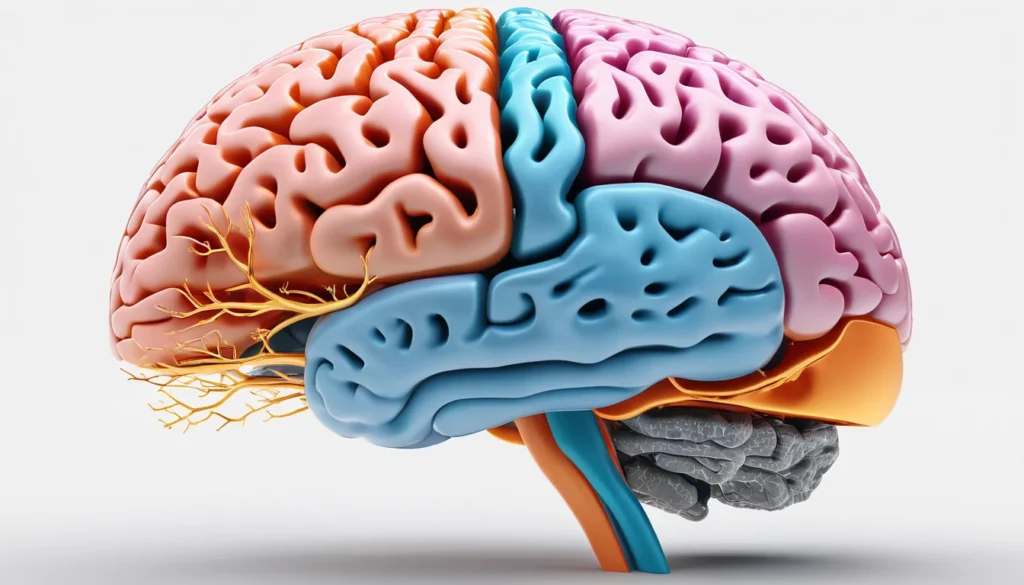
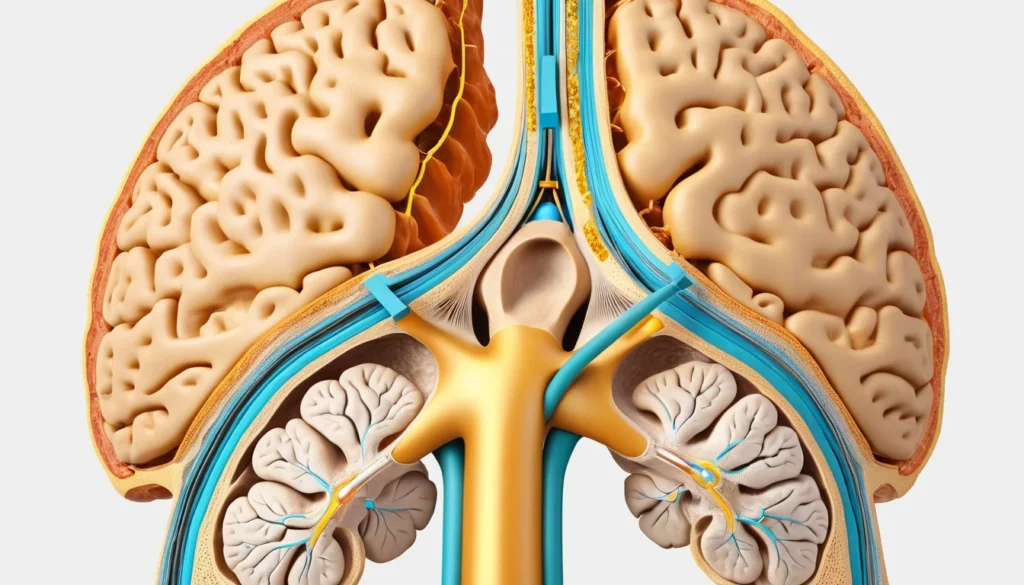
The ACTH hormone is produced by a small but powerful gland at the base of your brain called the pituitary gland. It travels through your bloodstream and sends signals to your adrenal glands, which sit just above your kidneys. Those signals tell the adrenal glands to produce cortisol and other important hormones.
Cortisol is often called the “stress hormone,” but that nickname does not do it justice. Cortisol helps regulate your blood pressure, blood sugar, immune response, and metabolism. Without the right amount of ACTH telling your adrenal glands what to do, your body struggles to stay balanced.
Doctors and researchers also refer to ACTH by several other names. These include adrenocorticotropin, corticotropin, and corticotrophin. You may see any of these terms on a lab requisition from your provincial health plan or in notes from a specialist.
How Does the ACTH Hormone Work?
Your body runs on a feedback system, much like a thermostat in your home. When cortisol levels drop too low, your hypothalamus (another part of your brain) releases a signal hormone. That signal tells the pituitary gland to release more ACTH hormone. As a result, the adrenal glands produce more cortisol.
When cortisol levels rise high enough, the body sends a stop signal. The pituitary gland slows down its ACTH production. This back-and-forth keeps your cortisol levels within a healthy range most of the time.
ACTH levels naturally change throughout the day. They are highest in the early morning, usually between 6 a.m. and 8 a.m. They drop to their lowest point in the evening. This daily rhythm is called a diurnal pattern, and disrupting it — through shift work, poor sleep, or chronic stress — can affect how well your hormonal system functions.
The Role of the Adrenal Glands
The adrenal glands are small, triangular organs that sit on top of each kidney. They are part of your endocrine system, which is the network of glands that produce hormones. When the ACTH hormone arrives at the adrenal glands, it activates the outer layer, called the adrenal cortex.
The adrenal cortex then produces three types of hormones: glucocorticoids (like cortisol), mineralocorticoids (like aldosterone, which controls salt and fluid balance), and small amounts of sex hormones. Each of these plays an important role in keeping your body running smoothly. For example, aldosterone helps control blood pressure, while cortisol helps your body respond to illness or injury.
Why ACTH Levels Are Tested
Your doctor may order an ACTH hormone blood test if they suspect a problem with your pituitary gland or adrenal glands. This test is often done alongside a cortisol test to get a clearer picture of what is happening. In Canada, your family doctor can order this through your provincial health plan, and it is usually covered.
The test is typically done in the morning, when ACTH levels are naturally at their peak. Blood is drawn from a vein in your arm and sent to a lab. Results can take a few days and are interpreted in the context of your symptoms and medical history.
What Abnormal Results Can Mean
High ACTH levels combined with high cortisol levels may point to Cushing’s disease, a condition caused by a pituitary tumour. High ACTH with low cortisol may suggest Addison’s disease, where the adrenal glands are not working properly. Low ACTH with low cortisol can signal a problem with the pituitary gland itself, sometimes called secondary adrenal insufficiency.
However, one abnormal result does not automatically mean you have a serious condition. Many factors can temporarily affect hormone levels, including stress, medications, and the time of day the test was taken. Your doctor will look at the full picture before making any diagnosis.
Conditions Linked to ACTH Imbalance
Several health conditions are directly related to problems with the ACTH hormone. Understanding these conditions can help you recognize symptoms that are worth discussing with a healthcare provider.
Cushing’s Disease and Cushing’s Syndrome
Cushing’s disease happens when a non-cancerous tumour on the pituitary gland produces too much ACTH. This causes the adrenal glands to overproduce cortisol. Symptoms include unexplained weight gain (especially around the face and abdomen), stretch marks, easy bruising, fatigue, and high blood pressure.
Cushing’s syndrome is a broader term. It refers to the effects of excess cortisol from any cause, including long-term use of steroid medications like prednisone. Many Canadians use corticosteroids for conditions like asthma or arthritis, so it is important to be aware of this risk. Learn more about Cushing’s syndrome from the Mayo Clinic.
Addison’s Disease
Addison’s disease occurs when the adrenal glands do not produce enough cortisol and, often, aldosterone. In this case, the pituitary gland produces high amounts of ACTH in an attempt to stimulate the adrenal glands — but the adrenal glands cannot respond properly.
Symptoms of Addison’s disease include extreme fatigue, low blood pressure, darkening of the skin, salt cravings, and nausea. This is a serious condition that requires lifelong treatment with hormone replacement therapy. If you or someone you know has these symptoms, it is important to seek medical attention promptly.
Pituitary Tumours and Hypopituitarism
Some tumours on the pituitary gland can either overproduce or suppress ACTH. Hypopituitarism is a condition where the pituitary gland does not produce enough of one or more hormones, including ACTH. As a result, the adrenal glands receive little to no signal, and cortisol production drops dangerously low.
Furthermore, certain cancers elsewhere in the body — such as small cell lung cancer — can produce ACTH-like substances. This is called ectopic ACTH syndrome and causes cortisol levels to rise sharply. Healthline offers a detailed overview of ACTH and related conditions.
Factors That Affect ACTH Levels
Many everyday factors can influence your ACTH hormone levels, even in people without any underlying disease. Being aware of these can help you have a more informed conversation with your doctor.
Stress: Physical or emotional stress causes the hypothalamus to trigger more ACTH release. This is a normal, protective response.
Sleep disruption: Poor sleep or irregular sleep patterns can disturb the natural daily rhythm of ACTH production.
Medications: Corticosteroid drugs (like prednisone or hydrocortisone) suppress the body’s own ACTH production over time.
Pregnancy: ACTH and cortisol levels rise naturally during pregnancy, especially in the third trimester.
Low blood sugar: Hypoglycaemia is a powerful trigger for ACTH release, as the body tries to raise blood sugar levels through cortisol.
Exercise: Intense physical activity temporarily raises ACTH levels as part of the body’s stress response.
In addition, certain mental health conditions — including depression and post-traumatic stress disorder (PTSD) — are associated with changes in ACTH and cortisol patterns. Research in this area is ongoing, and it highlights the deep connection between mental and physical health.
When to See a Doctor
You should speak with your family doctor if you notice symptoms that could point to an ACTH or cortisol imbalance. These symptoms are easy to overlook because they are often gradual and can resemble other common health issues.
Watch for unexplained weight changes, persistent fatigue, changes in skin colour or texture, unusual bruising, low blood pressure, or increased thirst and urination. Any of these, especially in combination, are worth mentioning at your next appointment. Your doctor can order a simple blood test to check your ACTH hormone and cortisol levels.
If you do not have a family doctor, a walk-in clinic is a good starting point. Many provinces across Canada, including Ontario, British Columbia, and Alberta, have virtual care options as well. You can often book a same-day or next-day appointment online through your provincial health authority’s website.
In rare cases, a sudden drop in cortisol can cause an adrenal crisis, which is a medical emergency. Symptoms include sudden, severe pain in the lower back or legs, vomiting, low blood pressure, and loss of consciousness. If you or someone nearby shows these signs, call 9-1-1 immediately. Health Canada provides resources to help you find care in your province.
Always consult a qualified healthcare provider before drawing any conclusions from hormone test results. This article is intended for general information only and is not a substitute for professional medical advice.
Frequently Asked Questions About ACTH Hormone
What does the ACTH hormone actually do in the body?
The ACTH hormone is released by the pituitary gland and travels to the adrenal glands, signalling them to produce cortisol. Cortisol helps your body manage stress, regulate blood sugar, and support immune function. Without proper ACTH signalling, your body struggles to maintain hormonal balance.
What happens if ACTH levels are too high?
High ACTH hormone levels cause the adrenal glands to overproduce cortisol, which can lead to Cushing’s disease or Cushing’s syndrome. Symptoms include weight gain around the face and abdomen, easy bruising, and high blood pressure. Your doctor can confirm this with blood and urine tests.
What happens if ACTH levels are too low?
Low ACTH hormone levels mean the adrenal glands do not receive enough stimulation to produce cortisol. This can cause fatigue, low blood pressure, nausea, and weakness — a condition known as adrenal insufficiency. Long-term use of steroid medications is one of the most common causes of low ACTH in Canada.
How is an ACTH hormone test done in Canada?
An ACTH hormone test involves a simple blood draw, usually done early in the morning when levels are highest. Your family doctor can order this test, and it is typically covered under provincial health plans. Results are usually available within a few business days and are reviewed alongside a cortisol test.
Is the ACTH hormone the same as cortisol?
No — the ACTH hormone and cortisol are two different hormones, but they work closely together. ACTH is produced by the pituitary gland and tells the adrenal glands to make cortisol. Think of ACTH as the messenger and cortisol as the active substance doing the work throughout the body.
Can stress permanently affect my ACTH hormone levels?
Short-term stress causes a temporary rise in the ACTH hormone, which is a normal protective response. However, chronic long-term stress can disrupt the hormonal feedback system over time, potentially affecting cortisol patterns and overall health. Lifestyle changes, mental health support, and medical guidance can all help manage this.
Key Takeaways
The ACTH hormone (adrenocorticotropic hormone) is produced by the pituitary gland and controls cortisol production in the adrenal glands.
ACTH follows a daily rhythm, peaking in the morning and dropping in the evening.
Too much ACTH can lead to Cushing’s disease; too little can cause adrenal insufficiency or Addison’s disease.
An ACTH blood test is a simple, covered procedure available through your provincial health plan in Canada.
Stress, medications, sleep patterns, and pregnancy can all affect ACTH levels in healthy people.
If you notice symptoms like unexplained fatigue, unusual weight changes, or skin changes, speak with your family doctor or visit a walk-in clinic.
Always seek professional medical advice before interpreting hormone test results.