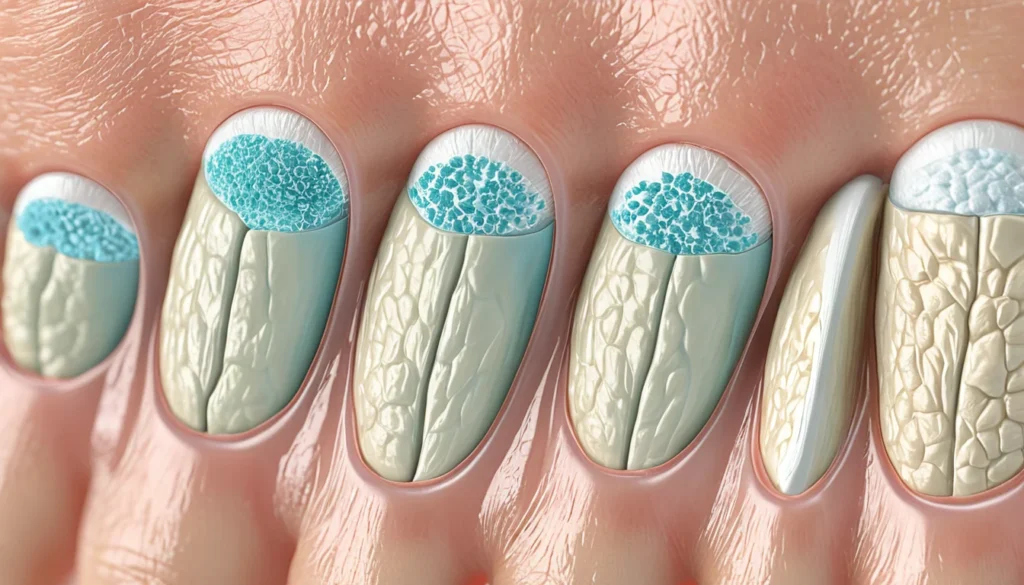
Acrosclerosis is a rare autoimmune skin condition and a subtype of generalized scleroderma. It causes the skin to harden and tighten, particularly on the fingers, hands, and face. In Canada, it falls under the broader category of connective tissue diseases managed by rheumatologists and dermatologists. This article explains what acrosclerosis is, what causes it, how it is diagnosed, and what treatment options are available to Canadians.
What Is Acrosclerosis?
Acrosclerosis is a form of systemic sclerosis, which means it affects the body’s connective tissue. It is considered a type of scleroderma — a group of conditions that cause abnormal growth of fibrous tissue beneath the skin. The word itself comes from Greek: “acro” meaning extremities, and “sclerosis” meaning hardening.
The condition primarily affects the skin of the fingers, hands, forearms, and face. However, it can also involve internal organs over time, including the lungs, kidneys, heart, and digestive tract. This makes early recognition and management especially important.
Acrosclerosis is more common in women than men, and it most often appears between the ages of 30 and 50. It is considered a chronic, long-term condition with no known cure, but symptoms can be managed effectively with the right care.
Acrosclerosis vs. Other Forms of Scleroderma
Understanding how acrosclerosis fits into the scleroderma family helps clarify what to expect. Mayo Clinic’s overview of scleroderma describes two broad types: localized and systemic. Acrosclerosis falls under systemic scleroderma.
Within systemic scleroderma, there are two main subtypes. The first is limited cutaneous systemic sclerosis, which affects skin mainly on the hands, face, and lower arms and legs. The second is diffuse cutaneous systemic sclerosis, which spreads more widely across the body. Acrosclerosis is generally grouped with the limited cutaneous form.
However, this does not mean the condition is mild. Even limited cutaneous systemic sclerosis can involve serious complications if internal organs are affected. Therefore, regular monitoring by a specialist is essential.
What Is the Difference Between Acrosclerosis and CREST Syndrome?
You may hear acrosclerosis mentioned alongside CREST syndrome. CREST is an older term that stands for Calcinosis, Raynaud’s phenomenon, Esophageal dysfunction, Sclerodactyly, and Telangiectasia. Acrosclerosis overlaps significantly with CREST syndrome and is sometimes used interchangeably in older medical texts.
Modern rheumatology now prefers the term “limited cutaneous systemic sclerosis” over CREST, but the underlying disease process is very similar. If your doctor mentions either term, they are likely referring to the same spectrum of disease.
Causes and Risk Factors of Acrosclerosis
The exact cause of acrosclerosis is not fully understood. Like most autoimmune diseases, it involves the immune system mistakenly attacking the body’s own healthy tissue. In this case, immune cells trigger an overproduction of collagen, the protein that gives skin its structure. This excess collagen builds up and causes the skin to harden and thicken.
Researchers believe a combination of genetic and environmental factors plays a role. Healthline’s article on scleroderma notes that certain gene variations may increase a person’s susceptibility. Environmental triggers such as silica dust, certain chemicals, or viral infections may activate the disease in those who are already genetically predisposed.
Who Is Most at Risk?
Several factors may increase the likelihood of developing acrosclerosis:
Sex: Women are far more likely to develop this condition than men.
Age: Most diagnoses occur between ages 30 and 50.
Family history: Having a close relative with an autoimmune disease may raise your risk.
Occupational exposure: Long-term exposure to silica dust or certain industrial chemicals has been linked to scleroderma-like conditions.
Raynaud’s phenomenon: This circulation-related condition frequently appears before full acrosclerosis develops.
It is important to note that having one or more risk factors does not mean you will develop acrosclerosis. Many people with risk factors never develop the condition at all.
Symptoms of Acrosclerosis
Acrosclerosis symptoms tend to develop slowly over months or years. Recognizing the early signs can lead to faster diagnosis and better outcomes. Symptoms vary from person to person, depending on how far the disease has progressed.
Skin-Related Symptoms
The most noticeable early symptoms involve the skin. These include:
Skin thickening and hardening on the fingers, hands, and face
Sclerodactyly: tightening of the skin on the fingers, which can limit movement
Shiny or waxy skin appearance, particularly on the hands
Loss of skin folds and reduced flexibility in the fingers
Telangiectasias: small red spots caused by widened blood vessels near the skin surface
Calcinosis: calcium deposits under the skin, which can form painful lumps
Circulatory and Other Symptoms
Raynaud’s phenomenon is one of the most common early signs. It causes fingers and toes to turn white or blue in response to cold temperatures or stress. This happens because blood vessels overreact and temporarily restrict blood flow.
As the disease progresses, other symptoms may appear. These can include difficulty swallowing (due to esophageal involvement), shortness of breath (if the lungs are affected), high blood pressure, fatigue, and joint pain. Not everyone will experience all of these symptoms, and progression varies widely between individuals.
How Is Acrosclerosis Diagnosed in Canada?
Diagnosing acrosclerosis takes time, as its symptoms can resemble several other autoimmune conditions. Your family doctor will typically begin with a physical examination and a detailed review of your symptoms and medical history. They will likely refer you to a rheumatologist (a specialist in joint and autoimmune diseases) or a dermatologist for further assessment.
Diagnostic tests commonly used include:
Blood tests: These check for specific antibodies, such as anti-centromere antibodies (ACA) and anti-topoisomerase I (anti-Scl-70), which are strongly associated with scleroderma.
Nailfold capillaroscopy: A simple, painless test where a doctor examines the tiny blood vessels at the base of your fingernails under a microscope.
Skin biopsy: A small sample of skin is taken and examined in a laboratory for signs of fibrosis (excess collagen).
Pulmonary function tests: To assess whether the lungs have been affected.
Echocardiogram: To check heart function and screen for pulmonary hypertension.
In Canada, these tests are covered under most provincial health plans when ordered by a physician. Wait times for specialist referrals can vary by province, so speak with your family doctor as soon as possible if you notice concerning symptoms.
Treatment and Management Options
There is currently no cure for acrosclerosis. However, treatment focuses on managing symptoms, slowing disease progression, and protecting internal organs. Health Canada supports access to several approved medications and therapies that help Canadians living with autoimmune conditions.
Medications
Treatment is highly individualized and depends on which organs or systems are affected. Common approaches include:
Calcium channel blockers (such as nifedipine) to manage Raynaud’s phenomenon and improve circulation.
Immunosuppressive drugs (such as methotrexate or mycophenolate mofetil) to slow the immune system’s attack on healthy tissue.
Proton pump inhibitors to manage acid reflux and esophageal symptoms.
Medications for pulmonary hypertension, if the lungs or heart are involved.
Topical moisturizers and emollients to keep hardened skin more comfortable and flexible.
Lifestyle and Self-Care
Alongside medical treatment, several daily habits can make a meaningful difference in quality of life:
Keep your hands and body warm to reduce Raynaud’s episodes. Wear gloves in cold weather, which is especially important during Canadian winters.
Use gentle, fragrance-free moisturizers regularly to soften tight skin.
Do daily hand and finger exercises to maintain flexibility and range of motion.
Eat smaller, more frequent meals if you have swallowing or digestive difficulties.
Avoid smoking, as it worsens circulation and can accelerate disease progression.
Manage stress through relaxation techniques such as yoga, deep breathing, or meditation.
Physiotherapy and occupational therapy can also be very helpful. These services are often available through provincial health programmes or may be partially covered under extended health benefits.
When to See a Doctor
You should see your family doctor if you notice any of the following warning signs:
Fingers or toes that turn white or blue in the cold
Skin on your hands or face that is becoming harder or thicker
Difficulty moving your fingers or making a fist
Unexplained shortness of breath or chest discomfort
Persistent difficulty swallowing
Small red spots appearing on your skin
If you do not have a family doctor, a walk-in clinic can provide an initial assessment and refer you to the appropriate specialist. Early diagnosis and treatment lead to significantly better long-term outcomes. Do not wait for symptoms to worsen before seeking care.
Always speak with a qualified healthcare provider before starting or changing any treatment. The information in this article is for educational purposes and does not replace professional medical advice.
Frequently Asked Questions About Acrosclerosis
Is acrosclerosis the same as scleroderma?
Acrosclerosis is a subtype of scleroderma, specifically a form of limited cutaneous systemic sclerosis. While all acrosclerosis is considered scleroderma, not all scleroderma is acrosclerosis. Both conditions involve abnormal collagen buildup that hardens the skin, but they differ in how widely they affect the body.
Can acrosclerosis be cured?
There is currently no cure for acrosclerosis. However, with proper medical treatment and lifestyle management, many people live well with the condition for decades. Early diagnosis and regular follow-up with a rheumatologist are key to slowing its progression.
Is acrosclerosis a life-threatening condition?
Acrosclerosis can become serious if it affects internal organs such as the lungs, heart, or kidneys. Pulmonary hypertension and kidney complications are the most concerning risks. However, with regular monitoring and modern treatments, many people with acrosclerosis manage well and have a good quality of life.
What triggers acrosclerosis flare-ups?
Cold temperatures, stress, and physical illness are common triggers that can worsen acrosclerosis symptoms, particularly Raynaud’s phenomenon. Avoiding cold exposure, managing stress, and maintaining a healthy routine can help reduce the frequency and severity of flare-ups.
How is acrosclerosis treated in Canada?
In Canada, acrosclerosis is treated by rheumatologists and dermatologists using a combination of medications, physiotherapy, and self-care strategies. Most diagnostic tests and specialist visits are covered under provincial health plans. Your family doctor or walk-in clinic can provide the referral you need to get started.
What is the difference between acrosclerosis and Raynaud’s disease?
Raynaud’s phenomenon is a circulatory symptom that often appears early in acrosclerosis, causing fingers to turn white or blue in cold temperatures. Raynaud’s disease, on the other hand, is a standalone condition not linked to any underlying autoimmune disease. When Raynaud’s occurs alongside skin changes and positive blood tests, doctors investigate for acrosclerosis or other forms of scleroderma.
Key Takeaways
Acrosclerosis is a rare autoimmune skin condition and a subtype of systemic scleroderma. It causes the skin on the fingers, hands, and face to harden and tighten, and can affect internal organs. Common early signs include Raynaud’s phenomenon, skin thickening, and difficulty moving the fingers. Blood tests, nailfold capillaroscopy, and skin biopsies help confirm the diagnosis. There is no cure, but medications and lifestyle changes can effectively manage symptoms. In Canada, treatment is available through provincial health plans with referrals to rheumatologists or dermatologists.