Acromegaly is a rare hormonal disorder that causes the body to produce too much growth hormone. This leads to the abnormal enlargement of the hands, feet, and facial features. In Canada, as in the rest of the world, acromegaly affects roughly 40 people per million. It most commonly develops in adults between the ages of 30 and 40. Understanding the signs and treatment options can help Canadians get the right care sooner.
What Is Acromegaly?
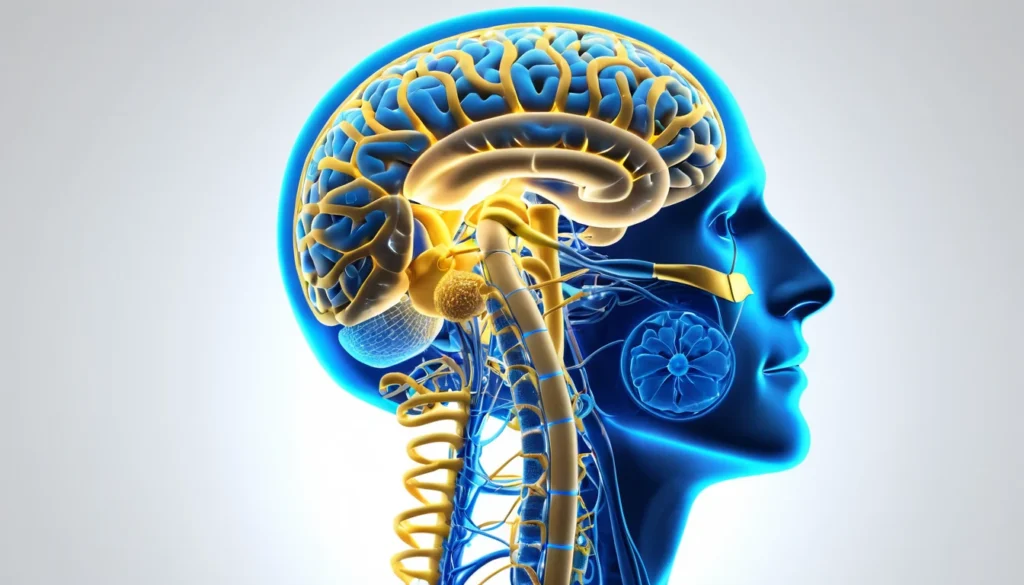
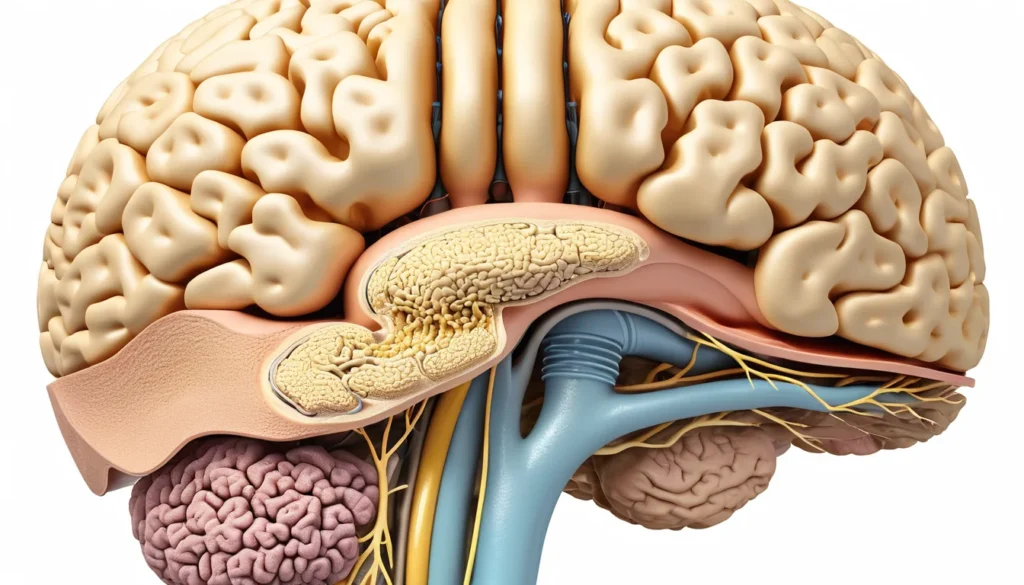
Acromegaly happens when a small, non-cancerous tumour on the pituitary gland produces too much growth hormone. The pituitary gland is a pea-sized gland at the base of the brain. It controls many important hormones in the body.
In children and teens, excess growth hormone causes a different condition called gigantism. In adults, because the bones have already finished growing, the same hormonal imbalance causes acromegaly instead. The result is gradual, often subtle changes to the body’s structure over many years.
Acromegaly is considered a rare condition. However, it is often diagnosed late because its symptoms develop slowly. Many Canadians live with the condition for years before receiving a diagnosis. Learn more about acromegaly on Mayo Clinic.
What Causes Acromegaly?
In the vast majority of cases, acromegaly is caused by a benign tumour called a pituitary adenoma. This tumour grows on the anterior lobe of the pituitary gland. It then releases excessive amounts of growth hormone (also called somatotropin) into the bloodstream.
High levels of growth hormone trigger the liver to produce another hormone called insulin-like growth factor 1 (IGF-1). IGF-1 is responsible for much of the abnormal tissue and bone growth seen in acromegaly. The longer the condition goes untreated, the more the body changes.
In rare cases, acromegaly can be caused by tumours located elsewhere in the body, such as in the lungs or pancreas. These tumours may secrete growth hormone or a hormone that stimulates the pituitary gland. However, this is far less common than a pituitary adenoma.
Recognising the Symptoms of Acromegaly
Because acromegaly develops slowly, many people do not notice the early warning signs. Symptoms often build over several years. Friends or family members may notice physical changes before the person themselves does.
Physical Changes
The most recognisable symptoms involve changes to the body’s size and shape. These include the following:
Enlarged hands and feet — rings and shoes may no longer fit
Coarsened or thickened facial features
An enlarged nose, lips, tongue, or jaw
Increased spacing between the teeth
A protruding forehead or lower jaw (prognathism)
Enlarged ears
Thickened skin, sometimes oily or sweaty
Deepening of the voice due to enlarged sinuses and vocal cords
These changes are permanent if left untreated. However, with proper treatment, further progression can be stopped.
Other Health Symptoms
Acromegaly affects more than just physical appearance. It can also cause a wide range of other health issues. These can include:
Joint pain and limited range of motion
Fatigue and muscle weakness
Headaches, sometimes severe
Vision problems, caused by the tumour pressing on the optic nerve
Sleep apnoea — interrupted breathing during sleep
Irregular menstrual cycles in women
Erectile dysfunction in men
Increased sweating and body odour
Furthermore, acromegaly puts added strain on the heart. Cardiac complications, including an enlarged heart and high blood pressure, are serious concerns for people living with this condition.
How Is Acromegaly Diagnosed?
Diagnosing acromegaly usually involves a combination of blood tests and medical imaging. Because symptoms develop gradually, it can take many years before a diagnosis is made. In fact, the average delay between the start of symptoms and diagnosis is often more than a decade.
Blood Tests
A doctor will typically measure IGF-1 levels in the blood. Elevated IGF-1 is a strong indicator of acromegaly. A second test, called an oral glucose tolerance test (OGTT), checks whether growth hormone levels drop normally after consuming a sugary drink. In people with acromegaly, growth hormone levels do not suppress as expected.
Imaging Tests
If blood test results suggest acromegaly, an MRI (magnetic resonance imaging) scan of the brain is usually ordered. This allows doctors to see the pituitary gland and identify any tumour. In Canada, this type of imaging is generally covered under provincial health plans when ordered by a physician.
Your family doctor or an endocrinologist — a specialist in hormonal conditions — will guide you through this process. Health Canada provides resources to help Canadians navigate their healthcare system.
Treatment Options for Acromegaly in Canada
The good news is that acromegaly is treatable. The goal of treatment is to reduce growth hormone levels to normal, relieve symptoms, and preserve quality of life. Several approaches are available, and a specialist team will help determine the best plan for each person.
Surgery
Surgery is often the first line of treatment for acromegaly. A neurosurgeon removes the pituitary tumour, usually through a minimally invasive procedure through the nose. This approach is called transsphenoidal surgery. When successful, surgery can normalise growth hormone levels right away.
Surgery is most effective when the tumour is small and has not spread. Larger tumours may be harder to remove completely. In those cases, additional treatment is needed.
Medication
Several types of medication can help manage acromegaly. Somatostatin analogues, such as octreotide or lanreotide, reduce the amount of growth hormone the tumour produces. These are typically given by injection, often monthly. Another type of medication, called a growth hormone receptor antagonist (pegvisomant), blocks the effects of growth hormone at the cellular level.
Dopamine agonists are sometimes used as well, particularly when the tumour also produces another hormone called prolactin. These medications are taken orally and may reduce tumour size in some cases.
Radiation Therapy
Radiation therapy is usually considered when surgery has not fully resolved the condition or when a person cannot have surgery. It targets remaining tumour cells in the pituitary gland. However, radiation works slowly — it can take years to see the full effect. As a result, it is typically used alongside other treatments.
Stereotactic radiosurgery, sometimes called Gamma Knife therapy, delivers a focused dose of radiation to the tumour. This approach is more precise than traditional radiation and is available at certain Canadian medical centres.
Long-Term Health Risks of Untreated Acromegaly
If acromegaly is not treated, it can lead to serious long-term health complications. The condition affects many organ systems throughout the body. Therefore, early diagnosis and treatment are very important.
Long-term risks include:
Heart disease: The heart can become enlarged (cardiomegaly), which increases the risk of heart failure and irregular heartbeats.
Type 2 diabetes: Excess growth hormone interferes with insulin function, raising blood sugar levels.
High blood pressure (hypertension): A common complication that further stresses the heart and blood vessels.
Colon polyps: People with acromegaly have a higher risk of developing polyps in the colon, which can sometimes become cancerous.
Arthritis: Abnormal bone and cartilage growth leads to joint damage over time.
Vision loss: A growing pituitary tumour can press on the optic nerves and cause permanent vision damage.
In addition, people with acromegaly may have a shorter life expectancy if the condition is not well managed. With proper treatment, however, life expectancy can return to near normal. Healthline offers a detailed overview of acromegaly’s complications and outlook.
When to See a Doctor About Acromegaly
If you notice gradual changes in your appearance — such as larger hands, feet, or facial features — it is important to speak with a healthcare provider. These changes can be easy to dismiss, especially when they happen slowly. However, catching acromegaly early makes a real difference in treatment outcomes.
Start by making an appointment with your family doctor. If you do not have a family doctor, a walk-in clinic can be a good first step. Your doctor will ask about your symptoms, review your health history, and order the appropriate blood tests.
You should also see a doctor promptly if you experience persistent headaches, sudden vision changes, or unexplained fatigue alongside any physical changes. These symptoms may suggest the pituitary tumour is growing and pressing on nearby structures. Do not wait to seek care.
Depending on your province, your family doctor may refer you to an endocrinologist or a specialist centre with experience in pituitary disorders. Provincial health plans generally cover specialist referrals and related diagnostic testing when medically necessary.
Always consult your doctor before drawing any conclusions about your health. A proper diagnosis requires medical testing, and only a qualified healthcare professional can confirm whether acromegaly or another condition is responsible for your symptoms.
Frequently Asked Questions About Acromegaly
Is acromegaly the same as gigantism?
Acromegaly and gigantism are related but different conditions. Both are caused by excess growth hormone, but gigantism occurs in children before the growth plates close, leading to extreme height. Acromegaly develops in adults after the bones have stopped growing, causing enlargement of the hands, feet, and facial features rather than overall height increase.
Can acromegaly be cured?
In many cases, acromegaly can be effectively treated, and some people achieve remission after surgery. If a pituitary tumour is removed successfully, growth hormone levels may return to normal. However, some people require ongoing medication or radiation therapy to keep the condition well managed long-term.
What are the first signs of acromegaly?
The earliest signs of acromegaly are often subtle and easy to overlook. Common early symptoms include rings or shoes becoming too tight, mild swelling in the hands and feet, and gradual changes to facial features such as a larger nose or jaw. Many people with acromegaly also notice increased sweating, fatigue, and joint pain in the early stages.
How is acromegaly diagnosed in Canada?
In Canada, acromegaly is typically diagnosed through a combination of blood tests and brain imaging. A family doctor or specialist will measure IGF-1 and growth hormone levels, and may order an MRI to check for a pituitary tumour. These tests are generally covered under provincial health plans when a doctor determines they are medically necessary.
Who is most at risk of developing acromegaly?
Acromegaly can affect anyone, but it is most commonly diagnosed in adults between the ages of 30 and 40. Women appear to be diagnosed slightly more often than men. In rare cases, acromegaly is linked to certain genetic conditions, such as multiple endocrine neoplasia type 1 (MEN1) or Carney complex.
Does acromegaly affect life expectancy?
Untreated acromegaly can shorten life expectancy due to serious complications such as heart disease, diabetes, and high blood pressure. However, with proper diagnosis and treatment, people with acromegaly can have a life expectancy close to that of the general population. Regular follow-up care with an endocrinologist is an important part of long-term management.
Key Takeaways
Acromegaly is a rare hormonal disorder caused by excess growth hormone, most often from a benign pituitary tumour.
It affects roughly 40 people per million and is most commonly diagnosed in adults aged 30 to 40.
Key symptoms include enlarged hands, feet, and facial features, along with joint pain, headaches, and fatigue.
Diagnosis involves blood tests and MRI imaging, which are generally covered by Canadian provincial health plans.
Treatment options include surgery, medication, and radiation therapy — often used in combination.
Untreated acromegaly can lead to serious complications including heart disease, diabetes, and vision loss.
If you notice gradual changes in your appearance or other symptoms, speak with your family doctor or visit a walk-in clinic as soon as possible.
Always consult a qualified healthcare professional for a proper diagnosis and personalised treatment plan.