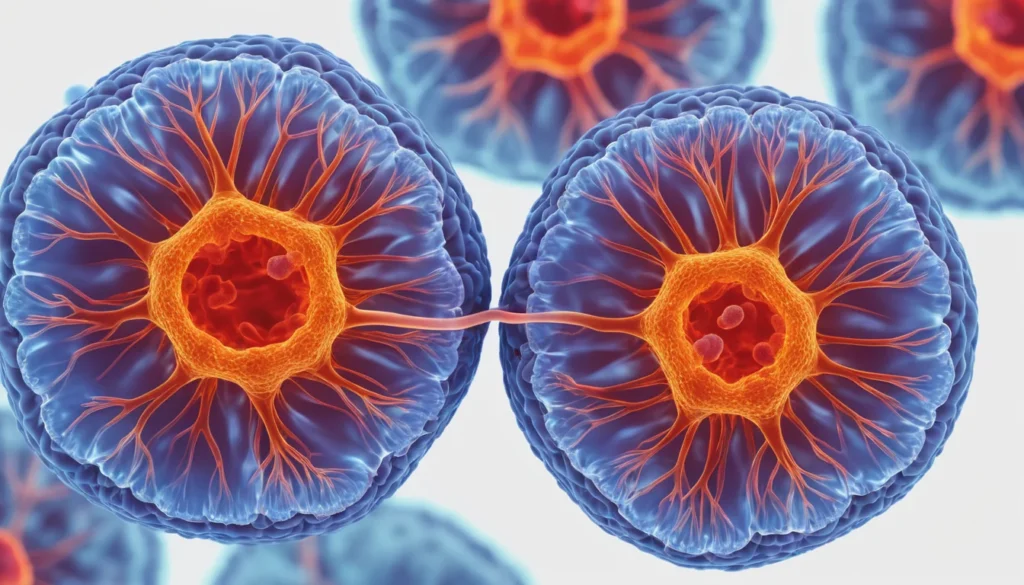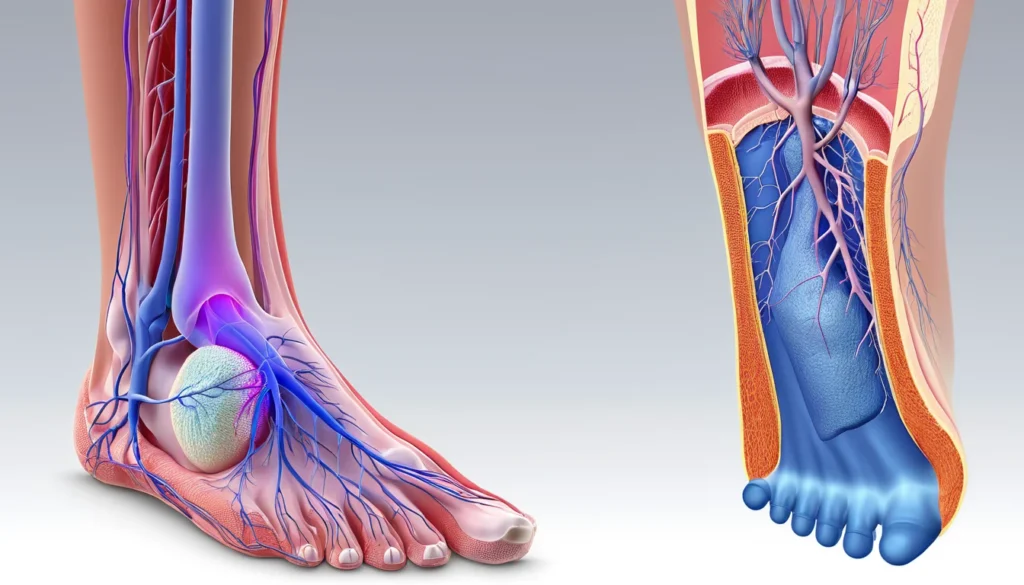
Acrocyanosis is a condition that causes a blue or purple discolouration of the hands, feet, ears, and sometimes the face. It happens when small blood vessels near the skin tighten up, slowing blood flow to your extremities. The condition is usually harmless, but it can be uncomfortable — especially in cold Canadian winters. This article explains what acrocyanosis is, what causes it, and what you can do about it.
What Is Acrocyanosis?
Acrocyanosis is a chronic condition where the skin on your hands, feet, and ears turns blue or violet. This colour change happens because small blood vessels — called capillaries and venules — go into spasm. That spasm slows blood circulation in those areas, causing the bluish tint.
The discolouration is usually permanent and present on both sides of the body equally. However, it tends to get worse in cold or damp weather, which makes it a particularly noticeable concern for people living in Canada’s colder provinces. It is generally not painful, though some mild discomfort can occur.
The condition most commonly affects women and often runs in families. In some cases, acrocyanosis is also linked to hormonal changes, including disruptions to the menstrual cycle.
Acrocyanosis Causes: Why Does It Happen?
The main cause of acrocyanosis is a spasm of the small blood vessels in the skin. This spasm restricts blood flow to the outer layers of the skin, particularly in the hands, feet, and ears. As a result, oxygen-poor blood pools in those areas and causes the characteristic blue or purple colour.
Researchers are not entirely sure what triggers these spasms. However, several factors appear to play a role:
Cold temperatures: Exposure to cold is the most common trigger. This is especially relevant in Canada, where temperatures can drop dramatically from autumn through spring.
Emotional stress: Strong emotions can worsen the discolouration by affecting blood vessel tone.
Hormonal factors: The condition is more common in women and may be linked to menstrual cycle changes.
Genetics: Acrocyanosis tends to run in families, suggesting a hereditary component.
Humidity: Damp conditions, combined with cold, can intensify symptoms.
In some people, acrocyanosis appears alongside Raynaud’s disease, a related condition that also affects blood flow to the extremities. However, the two conditions are different. Raynaud’s disease typically causes colour changes that come and go in distinct phases, while acrocyanosis tends to be more constant.
Recognising the Symptoms of Acrocyanosis
The most obvious symptom of acrocyanosis is a blue, violet, or purple tint to the skin of the hands, feet, or ears. This discolouration is usually consistent and does not come and go the way it does in Raynaud’s disease.
Common Symptoms to Watch For
Beyond the colour change, acrocyanosis can cause a range of other symptoms. These include:
Cool or cold skin on the affected areas, even at room temperature
Excessive sweating (known as hyperhidrosis) on the hands or feet
Swelling or puffiness in the extremities
Rough or bumpy skin texture (known as keratosis pilaris) on the affected limbs
Mild discomfort or pain when exposed to cold or moisture
In more pronounced cases, the discolouration can spread beyond the hands and feet. It may extend to the forearms and thighs. Furthermore, the symptoms typically worsen in winter and improve somewhat in warmer months.
How Acrocyanosis Differs From Other Conditions
It is important to distinguish acrocyanosis from other causes of blue or purple skin. For example, Raynaud’s disease causes colour changes that cycle through white, blue, and red. Acrocyanosis, on the other hand, tends to cause a steady, persistent colour change without those distinct phases.
Additionally, acrocyanosis is generally not associated with significant pain or tissue damage. This is different from severe circulatory conditions, which can cause ulcers or permanent injury to the skin and underlying tissue. For more information on how circulation affects skin colour, visit Healthline’s overview of acrocyanosis.
Who Is Most Affected by Acrocyanosis?
Acrocyanosis most commonly affects young women. It tends to appear during adolescence or early adulthood and may improve gradually over time without treatment. The condition often has a family history, meaning it can be passed down through generations.
People who live in colder climates are more likely to notice their symptoms. In Canada, residents of provinces like Manitoba, Saskatchewan, Quebec, and the northern territories may find that long winters make their symptoms more difficult to manage.
The condition can also appear in people with certain underlying health issues, such as eating disorders or connective tissue diseases. Therefore, a thorough medical evaluation is always a good idea if you notice persistent skin discolouration.
Acrocyanosis Treatment: What Can Help?
The good news is that acrocyanosis is generally a benign condition. In most cases, it does not cause serious health problems and may improve on its own over time. However, there are steps you can take to manage symptoms effectively.
Avoiding Cold Exposure
The single most effective treatment for acrocyanosis is avoiding cold temperatures. Keeping your hands, feet, and ears warm can significantly reduce discolouration and discomfort. Here are some practical strategies:
Wear insulated gloves, warm socks, and hats when going outdoors in cold weather.
Layer your clothing to trap body heat.
Avoid prolonged exposure to cold water or damp environments.
Keep your home at a comfortable, consistent temperature during winter months.
Use hand warmers or heated mittens if you spend time outdoors.
These strategies are especially important for Canadians who face harsh winters for five or more months of the year. Simple lifestyle adjustments can make a meaningful difference in day-to-day comfort.
Other Possible Treatments
Some doctors have explored other approaches to managing acrocyanosis. These include vitamin therapy and herbal treatments aimed at improving the tone of small blood vessels. However, the evidence supporting these approaches is limited and uncertain.
In cases where acrocyanosis is severe or significantly affects quality of life, a doctor may consider medications that help relax blood vessels. These are the same types of medications sometimes used for Raynaud’s disease. Always discuss any treatment options with your healthcare provider before trying them.
Currently, there are no proven preventive measures for acrocyanosis. The condition tends to follow a chronic course, with symptom flare-ups in winter and some natural improvement over time.
Acrocyanosis and Overall Health: What You Should Know
For most people, acrocyanosis is a cosmetic concern rather than a serious medical problem. The condition does not typically damage tissue or lead to complications. Its course is usually chronic but stable, and many people see gradual improvement as they get older.
However, acrocyanosis can sometimes be a sign of an underlying condition. In some individuals, it occurs alongside menstrual irregularities, connective tissue disorders, or other systemic health issues. Therefore, it is worth getting a proper diagnosis from a qualified healthcare professional.
The Health Canada website offers useful resources on circulatory health and how to access care through your provincial health plan. Most Canadians can address concerns like this through their family doctor or a local walk-in clinic.
When to See a Doctor About Acrocyanosis
You should speak with a healthcare provider if you notice persistent blue or purple discolouration on your hands, feet, or ears. While acrocyanosis is usually harmless, it is important to rule out other causes that may need medical attention.
See your family doctor if you experience any of the following:
Discolouration that appears suddenly or gets worse quickly
Pain, numbness, or tingling in your hands or feet
Skin sores or ulcers developing on your extremities
Symptoms that affect your ability to carry out daily activities
Discolouration that is not related to cold exposure
If you do not have a family doctor, a walk-in clinic is a good first step. Most provinces in Canada offer walk-in services that can help assess your symptoms, order relevant tests, and refer you to a specialist if needed. Do not wait if your symptoms are causing significant distress or seem to be getting worse over time.
Always consult a qualified healthcare professional for a proper diagnosis and personalised treatment plan. The information in this article is intended for general educational purposes only.
Frequently Asked Questions About Acrocyanosis
Is acrocyanosis dangerous?
Acrocyanosis is generally not dangerous and does not cause permanent tissue damage in most cases. It is considered a benign, chronic condition that mainly affects appearance and comfort. However, you should always see a doctor to rule out any underlying health issues that could be causing the discolouration.
What is the difference between acrocyanosis and Raynaud’s disease?
Acrocyanosis causes a persistent, steady blue or purple discolouration that is usually always present, while Raynaud’s disease causes intermittent colour changes that cycle through white, blue, and red. Raynaud’s is often triggered by cold or stress and then resolves, whereas acrocyanosis tends to be more constant. A doctor can help distinguish between the two conditions.
Can acrocyanosis go away on its own?
Yes, acrocyanosis can improve on its own over time, particularly as a person ages. Many people notice that symptoms gradually lessen without any specific treatment. Keeping warm and avoiding cold exposure can help manage symptoms in the meantime.
Why do my hands turn blue or purple in the cold?
When your hands turn blue or purple in cold weather, it may be a sign of acrocyanosis or a related circulatory condition. This happens because cold causes small blood vessels to tighten, slowing blood flow and allowing oxygen-poor blood to pool near the skin. If this happens frequently, it is worth mentioning to your family doctor or visiting a walk-in clinic.
Is acrocyanosis more common in women?
Yes, acrocyanosis is more commonly diagnosed in women than in men and often appears during adolescence or young adulthood. It also tends to run in families, suggesting a genetic component. Hormonal factors, including menstrual cycle changes, may also play a role in the condition.
How is acrocyanosis diagnosed in Canada?
Acrocyanosis is typically diagnosed by a family doctor or specialist based on a physical examination and your medical history. There is no single definitive test for the condition, but your doctor may order blood tests or other investigations to rule out other causes. Most Canadians can access this evaluation through their provincial health plan, either through a family doctor or a walk-in clinic.
Key Takeaways
Acrocyanosis causes a blue or purple discolouration of the hands, feet, ears, and sometimes the face due to spasms in small blood vessels.
The condition is more common in women, often runs in families, and tends to worsen in cold or damp weather.
Symptoms include cool skin, excessive sweating, mild swelling, and persistent discolouration that does not fully go away.
The most effective treatment is avoiding cold exposure by dressing warmly and managing your environment.
Acrocyanosis is generally benign and may improve gradually over time without specific treatment.
See your family doctor or visit a walk-in clinic if symptoms are persistent, worsening, or causing concern — most provincial health plans cover this type of assessment.
Always speak with a healthcare professional for a proper diagnosis and personalised advice.