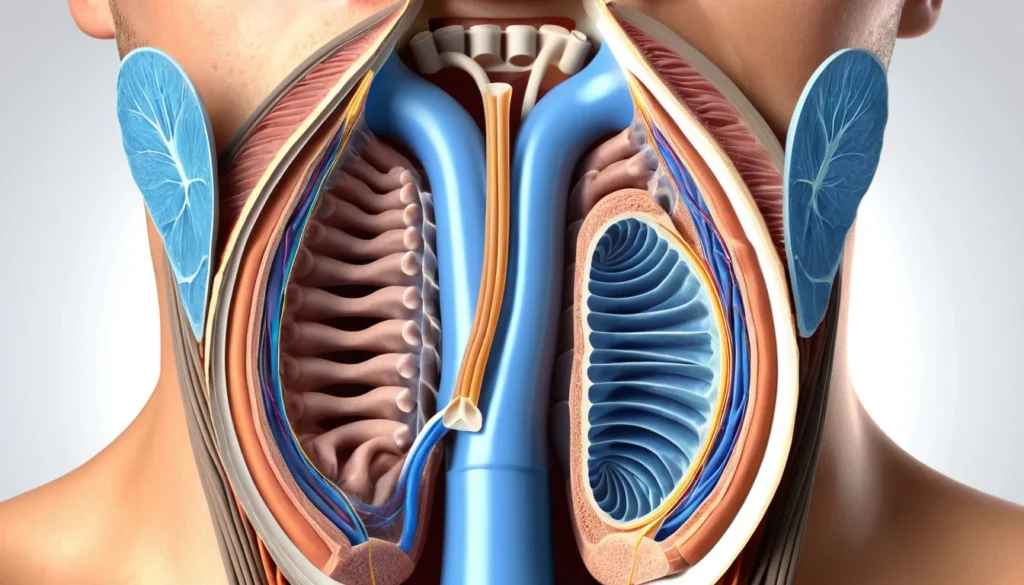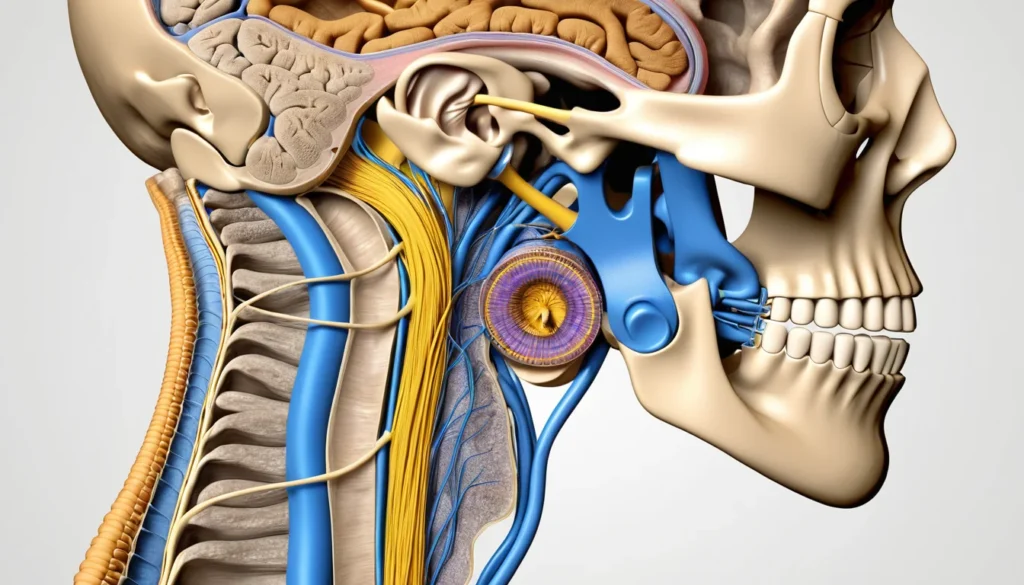
The acoustic nerve — also called the vestibulocochlear nerve or auditory nerve — is one of the most important nerves in your body. It connects your inner ear to your brain and carries two kinds of information: sound and balance. Understanding how this nerve works can help you recognize problems early and protect your long-term hearing health.
What Is the Acoustic Nerve?
The acoustic nerve is the eighth cranial nerve in your body. It has two main branches that work together to keep you connected to the world around you.
The first branch is the cochlear nerve. This branch handles hearing. It picks up sound signals from the cochlea — the spiral-shaped structure inside your inner ear — and sends them to your brain.
The second branch is the vestibular nerve. This branch handles balance. It reads signals about your body’s position and movement, then passes that information to your brain. Together, these two branches form the full vestibulocochlear nerve.
Where Is the Acoustic Nerve Located?
The acoustic nerve sits deep inside your skull. It runs from the inner ear through a narrow bony canal called the internal auditory canal. From there, it travels to the brainstem, where your brain processes everything it receives.
Because the nerve runs through such a tight space, even a small growth or injury in the area can cause noticeable symptoms. This is why problems with the acoustic nerve are often spotted early through changes in hearing or balance.
How the Acoustic Nerve Affects Your Hearing
Sound starts as a vibration in the air. When sound enters your ear, it travels through the ear canal and causes your eardrum to vibrate. Those vibrations pass through three tiny bones and into the fluid-filled cochlea.
Inside the cochlea, thousands of tiny hair cells pick up those vibrations and convert them into electrical signals. The cochlear branch of the acoustic nerve then carries those signals to the brain, where they are interpreted as recognizable sounds — voices, music, traffic, and everything else you hear every day.
Therefore, any damage to the acoustic nerve can directly affect how well you hear. This type of hearing loss is called sensorineural hearing loss. It is different from hearing loss caused by a blocked ear canal or a damaged eardrum. Sensorineural hearing loss is often permanent because nerve tissue does not heal the same way other tissues do.
Common Causes of Acoustic Nerve Damage
Several factors can damage the acoustic nerve over time. Knowing the causes can help you take steps to protect your hearing.
Loud noise exposure: Concerts, power tools, and headphones at high volume can all harm the nerve’s hair cells.
Aging: Natural wear on the auditory system is one of the most common causes of hearing loss in older Canadians.
Infections: Viral infections, including mumps and meningitis, can damage the acoustic nerve.
Certain medications: Some antibiotics and chemotherapy drugs are known to be ototoxic, meaning they can harm hearing.
Head trauma: A blow to the head can injure the nerve directly or disrupt its connection to the brain.
Acoustic neuroma: This is a non-cancerous tumour that grows on the acoustic nerve and can cause gradual hearing loss.
According to Health Canada, noise-induced hearing loss is one of the most preventable forms of hearing loss in the country. Simple steps like wearing ear protection at work or limiting headphone volume can make a real difference.
How the Acoustic Nerve Affects Your Balance
Balance is something most of us take for granted — until it stops working properly. The vestibular branch of the acoustic nerve plays a central role in keeping you upright and stable.
Your inner ear contains structures called the semicircular canals and the otolith organs. These structures detect head movement and changes in your body’s position. The vestibular nerve carries that information to your brain, which uses it to coordinate your muscles and keep you balanced.
However, when the vestibular nerve is damaged or irritated, the brain receives confusing signals. As a result, you may feel dizzy, unsteady, or like the room is spinning around you. This spinning sensation is called vertigo, and it is one of the most common symptoms of vestibular nerve problems.
Conditions Linked to Vestibular Nerve Problems
A number of health conditions can affect the vestibular branch of the acoustic nerve. These include:
Vestibular neuritis: Inflammation of the vestibular nerve, often following a viral infection. It causes sudden, severe vertigo.
Labyrinthitis: Inflammation of both the cochlear and vestibular parts of the inner ear, leading to both hearing loss and dizziness.
Ménière’s disease: A disorder of the inner ear that causes episodes of vertigo, ringing in the ears, and hearing loss.
Acoustic neuroma: In addition to hearing changes, this tumour can also cause balance problems as it grows.
For more information on balance disorders, the Mayo Clinic’s guide to balance problems offers a helpful overview of symptoms and treatments.
Signs That Something May Be Wrong With Your Acoustic Nerve
Many acoustic nerve problems develop gradually. This means the early warning signs are easy to miss or dismiss. Knowing what to watch for is important.
Common symptoms that may point to an acoustic nerve problem include:
Gradual or sudden hearing loss in one or both ears
Ringing, buzzing, or hissing sounds in the ear (called tinnitus)
A feeling of fullness or pressure in the ear
Dizziness or vertigo
Difficulty understanding speech, even when volume seems fine
Loss of balance or unexplained falls
Facial numbness or weakness (in more serious cases)
Furthermore, if you notice sudden hearing loss in one ear, treat it as a medical emergency. Sudden sensorineural hearing loss can sometimes be treated effectively — but only if caught quickly. Time matters.
How Acoustic Nerve Problems Are Diagnosed
If your doctor suspects an acoustic nerve problem, they will likely refer you to a specialist. In Canada, that specialist is usually an audiologist or an otolaryngologist (commonly known as an ENT doctor — ear, nose, and throat specialist).
The diagnostic process may include several steps. A standard hearing test, called an audiogram, measures how well you hear sounds at different frequencies. This helps identify the type and degree of any hearing loss.
In addition, your doctor may order an MRI scan. An MRI provides detailed images of the acoustic nerve and surrounding structures. It is the best tool for detecting acoustic neuromas or other physical changes near the nerve.
Other Diagnostic Tests
In some cases, additional testing is needed. These tests may include:
Auditory brainstem response (ABR) test: This measures how well the acoustic nerve and brain respond to sound.
Electronystagmography (ENG) or videonystagmography (VNG): These tests evaluate the vestibular system by tracking eye movements in response to movement or stimulation.
Electrocochleography (ECoG): This measures electrical activity in the inner ear and can help diagnose Ménière’s disease.
Your provincial health plan may cover some or all of these tests, depending on your province and the referral pathway. Check with your family doctor or provincial health authority for details specific to your coverage.
Treatment Options for Acoustic Nerve Conditions
Treatment depends on the specific condition and how severe it is. There is no single approach that works for everyone.
For sensorineural hearing loss, hearing aids are the most common treatment. They amplify sound and can significantly improve quality of life. In severe cases, a cochlear implant may be recommended. A cochlear implant bypasses damaged hair cells and directly stimulates the acoustic nerve.
For acoustic neuroma, treatment options include careful monitoring (called watchful waiting), radiation therapy (such as stereotactic radiosurgery), or surgical removal. The right choice depends on the tumour’s size and how fast it is growing.
For vestibular nerve conditions like vestibular neuritis, treatment often includes short-term medications to control dizziness, followed by vestibular rehabilitation exercises. These exercises help the brain adapt and compensate for the damaged nerve signals.
Protecting Your Acoustic Nerve
Prevention is always better than treatment. You can take practical steps to protect your acoustic nerve and keep your hearing healthy for years to come.
Wear ear protection (earplugs or earmuffs) in noisy environments like concerts, construction sites, or loud workplaces.
Follow the 60/60 rule for headphones: keep volume at or below 60% and limit listening sessions to 60 minutes at a time.
Get regular hearing checks, especially after age 50 or if you work in a noisy environment.
Tell your doctor about any medications you are taking, so they can flag anything that might affect your hearing.
Protect your head from injury by wearing a helmet during cycling, skiing, and other contact activities.
The World Health Organization’s fact sheet on hearing loss estimates that over one billion young people worldwide are at risk of preventable hearing loss due to unsafe listening habits. That number includes Canadians.
When to See a Doctor
You should speak with your family doctor if you notice any changes in your hearing or balance. Do not wait to see if the problem goes away on its own — early diagnosis leads to better outcomes.
If you do not have a family doctor, a walk-in clinic can be a good first step. Walk-in clinic doctors can order basic hearing tests and refer you to the right specialist. Many provinces also have community audiology centres where you can book a hearing evaluation directly.
Seek urgent care right away if you experience sudden hearing loss in one ear, severe vertigo with vomiting, or any neurological symptoms like facial drooping or numbness. These symptoms need prompt medical attention.
As always, this article is for general information only. Please consult your doctor or a qualified healthcare professional before making any decisions about your health.
Frequently Asked Questions About the Acoustic Nerve
What does the acoustic nerve do?
The acoustic nerve — also known as the vestibulocochlear nerve — carries sound and balance signals from your inner ear to your brain. It has two branches: the cochlear branch for hearing and the vestibular branch for balance. Without a healthy acoustic nerve, both hearing and coordination can be affected.
What are the symptoms of acoustic nerve damage?
Common symptoms of acoustic nerve damage include gradual or sudden hearing loss, ringing in the ears (tinnitus), dizziness, and balance problems. You may also have difficulty understanding speech clearly, even in quiet settings. If you notice any of these symptoms, speak with your family doctor as soon as possible.
Can the acoustic nerve heal on its own?
In some cases, such as vestibular neuritis caused by a viral infection, the acoustic nerve can partially recover over time with the right treatment and rehabilitation exercises. However, damage from noise exposure or certain medications tends to be permanent, because nerve tissue does not regenerate easily. Early treatment gives you the best chance of recovery.
What is an acoustic neuroma?
An acoustic neuroma is a non-cancerous tumour that grows on the acoustic nerve, usually on the branch that controls balance. It grows slowly and can cause gradual hearing loss, ringing in the ears, and dizziness. Treatment options include monitoring, radiation, or surgery depending on the size and growth rate of the tumour.
How is acoustic nerve damage treated in Canada?
Treatment depends on the type and severity of the damage. Options may include hearing aids, cochlear implants, vestibular rehabilitation exercises, medication, or surgery. Your family doctor can refer you to an audiologist or ENT specialist, and many of these services are covered under provincial health plans across Canada.
Is acoustic nerve hearing loss the same as regular hearing loss?
No. Acoustic nerve hearing loss is a type of sensorineural hearing loss, which means the nerve itself is affected rather than the eardrum or middle ear bones. This type of hearing loss is usually permanent and cannot be corrected with simple solutions like ear drops or minor procedures. Hearing aids or cochlear implants are typically the most effective options.
Key Takeaways
The acoustic nerve (vestibulocochlear nerve) connects your inner ear to your brain and handles both hearing and balance.
It has two branches: the cochlear nerve (for hearing) and the vestibular nerve (for balance).
Damage to the acoustic nerve can cause hearing loss, tinnitus, dizziness, and balance problems.
Common causes include loud noise exposure, aging, infections, certain medications, and acoustic neuroma.
Sensorineural hearing loss from acoustic nerve damage is often permanent — prevention is key.
Hearing aids and cochlear implants are the main treatments for acoustic nerve-related hearing loss.
If you notice sudden changes in your hearing or balance, contact your family doctor or visit a walk-in clinic promptly.
Many diagnostic and treatment services are available through provincial health plans across Canada.