Acoria is a rare acoria eye condition in which a person is born without a pupil in one or both eyes. The pupil is the dark, circular opening in the centre of the coloured part of the eye. It controls how much light enters the eye. Without it, vision can be seriously affected, and the condition requires careful medical attention from an early age.
What Is Acoria? Understanding This Acoria Eye Condition
Acoria is classified as a congenital malformation. This means a person is born with it — it is not something that develops later in life. The word “congenital” simply means “present from birth.”
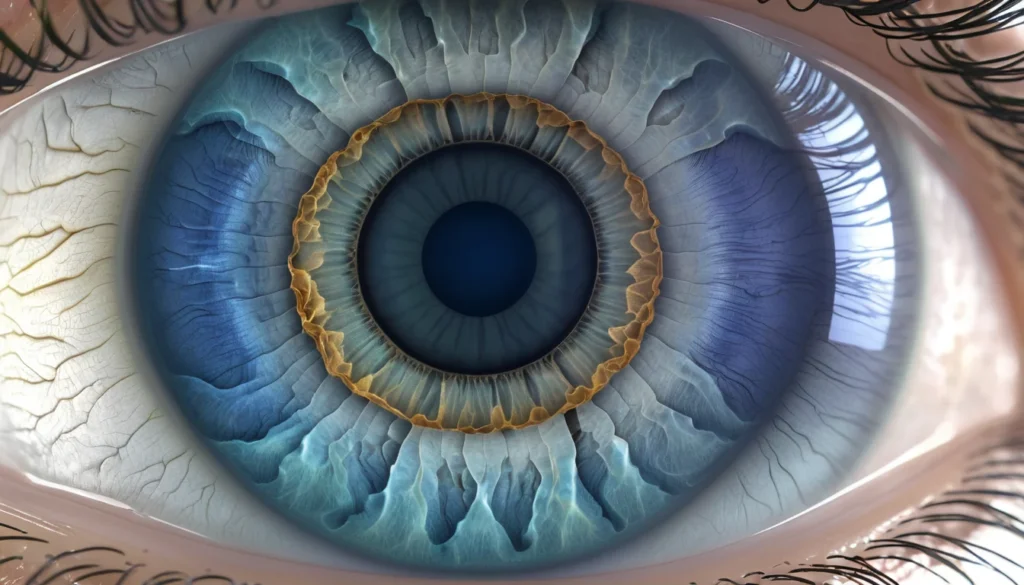
In a healthy eye, the pupil opens and closes to manage light. In bright conditions, it gets smaller. In dim conditions, it gets larger. This process is essential for clear, comfortable vision. Without a pupil, the eye cannot properly regulate incoming light.
Acoria is extremely rare. It is often grouped with other structural eye abnormalities. In some cases, it occurs alongside conditions that affect other parts of the eye, such as the iris or lens.
How Is Acoria Different from Other Eye Conditions?
Some people confuse acoria with conditions like aniridia, where the iris is absent, or microphthalmia, where the entire eye is underdeveloped. However, acoria specifically refers to the absence of the pupil alone. The iris — the coloured ring around the pupil — may still be present in someone with acoria.
It is also different from conditions like cataracts or glaucoma, which are more common and develop over time. Acoria is present from the very beginning of life. Therefore, it is usually detected in infancy or early childhood.
Causes of the Acoria Eye Condition
The exact cause of acoria is not fully understood. However, researchers believe it results from abnormal development of the eye during pregnancy. The eye begins forming very early in foetal development, and any disruption during this process can lead to structural differences.
In some cases, genetic factors may play a role. Mutations in genes that guide eye development could contribute to conditions like acoria. For example, genes involved in forming the iris and pupil may fail to work correctly.
Genetic and Environmental Factors
There is ongoing research into the genetic basis of congenital eye malformations. In addition, some environmental factors during pregnancy — such as exposure to certain medications, infections, or toxins — may increase the risk of eye abnormalities. However, in many cases of acoria, no clear cause is ever identified.
If there is a family history of eye malformations, a genetic counsellor may be able to offer guidance. Genetic counselling services are available through many provincial health plans across Canada. Ask your family doctor for a referral if you have concerns.
Symptoms and Signs of Acoria
The most obvious sign of acoria is the visible absence of the pupil. Instead of a dark, round opening in the centre of the eye, the eye may appear uniformly coloured or have an unusual appearance. This is often noticed by parents or healthcare providers shortly after birth.
Beyond appearance, acoria can cause significant visual problems. These may include:
Photophobia — extreme sensitivity to light, because the eye cannot limit how much light enters
Blurred or reduced vision — difficulty seeing clearly at various distances
Nystagmus — involuntary, rapid eye movements that can affect focus
Amblyopia — sometimes called “lazy eye,” where one eye does not develop normal vision
Furthermore, the affected eye may have difficulty adjusting to changes in lighting. Moving from a dark room to a bright one — or vice versa — can be especially challenging.
Impact on Daily Life
For children with the acoria eye condition, daily activities like reading, playing outdoors, or watching a screen can be uncomfortable or difficult. As a result, early intervention is very important. The sooner the condition is identified and managed, the better the long-term outcomes tend to be.
Adults living with acoria — or parents of children with the condition — often report that protective eyewear and tinted lenses help manage light sensitivity. An ophthalmologist (eye specialist) can recommend the right tools and strategies.
Diagnosing the Acoria Eye Condition
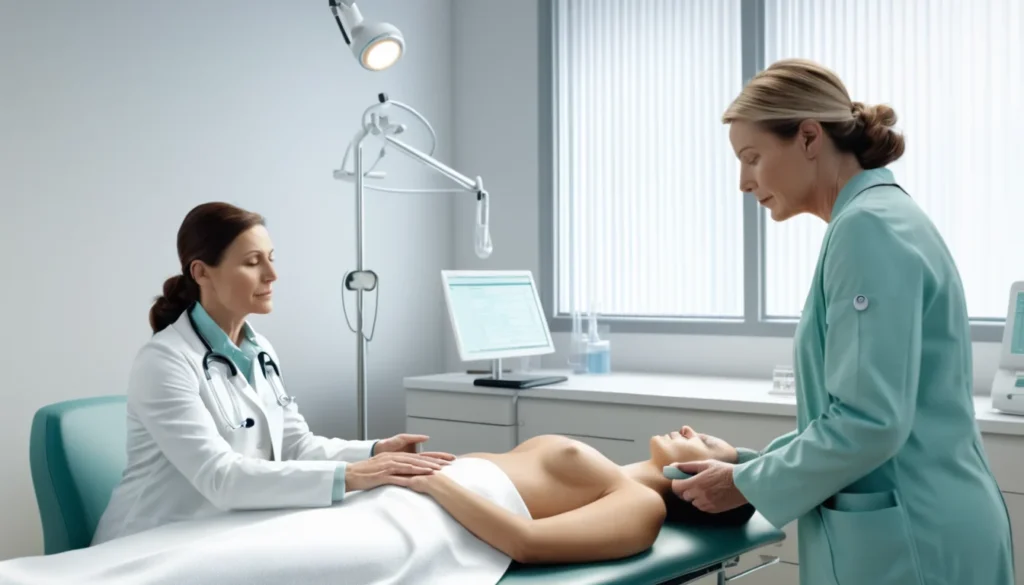
Diagnosis is typically made through a comprehensive eye examination. A trained eye doctor — called an ophthalmologist — can identify the absence of a pupil during a routine eye check. In newborns, this may be noticed during a standard newborn assessment in hospital.
Additional tests may be ordered to understand the full extent of the condition. These can include:
Slit-lamp examination — a detailed look at the front structures of the eye
Electroretinography (ERG) — a test that measures how the retina responds to light
Genetic testing — to identify any underlying gene mutations
Visual acuity tests — to measure how well the person can see
In Canada, paediatric ophthalmology services are available in major cities and through children’s hospitals. Your family doctor or paediatrician can provide a referral to the appropriate specialist. Wait times vary by province, so it is a good idea to seek a referral promptly.
Imaging and Advanced Testing
In some cases, imaging of the eye using optical coherence tomography (OCT) may be recommended. This painless scan gives a detailed cross-section of the eye’s internal structures. It helps doctors understand whether other parts of the eye — such as the retina or optic nerve — are also affected.
According to Mayo Clinic’s guide to eye conditions, thorough diagnostic testing is essential for any rare congenital eye abnormality to guide appropriate treatment and long-term care.
Treatment and Management Options
There is currently no surgical procedure that can create a functioning pupil from scratch. However, several strategies help manage the symptoms and improve quality of life for those with the acoria eye condition.
Optical Aids and Corrective Lenses
Tinted or photochromic lenses can significantly reduce light sensitivity. These lenses darken automatically in bright conditions, mimicking the function of a healthy pupil. Many Canadians with light-sensitive eye conditions find these lenses life-changing.
In addition, cosmetic contact lenses with an artificial pupil design are sometimes used. These serve both a visual and aesthetic function. However, contact lenses must be prescribed and monitored by an eye care professional to avoid complications.
Managing Associated Conditions
If acoria occurs alongside other eye conditions — such as amblyopia or nystagmus — those conditions will also need treatment. For example, amblyopia is often treated with patching therapy, where the stronger eye is covered to encourage the weaker eye to develop better vision.
Vision therapy, low-vision rehabilitation, and assistive technology can also play important roles. Low-vision clinics exist in many Canadian provinces and offer services covered partially or fully under provincial health programmes. Ask your ophthalmologist about what is available in your area.
Ongoing Monitoring
Regular follow-up with an ophthalmologist is essential. Vision can change over time, especially during childhood. Therefore, consistent monitoring helps catch new problems early and adjust treatment as needed.
The Health Canada health information portal offers resources on navigating the Canadian healthcare system for those managing chronic or complex health conditions, including rare eye disorders.
When to See a Doctor About the Acoria Eye Condition
If you notice that your child’s eye looks unusual — particularly if there appears to be no dark pupil in the centre — see a doctor as soon as possible. Early diagnosis makes a significant difference in how well the condition can be managed.
You can start with your family doctor or paediatrician. They can perform an initial assessment and refer you to a paediatric ophthalmologist. If your family doctor is unavailable, a walk-in clinic can provide an initial referral as well.
In adults, any sudden or unexplained change in the appearance of the eye — including changes to the pupil — should be evaluated promptly. Do not wait to see if it resolves on its own.
As a general reminder, always consult a qualified healthcare professional for any medical concern. The information in this article is for educational purposes only and is not a substitute for professional medical advice, diagnosis, or treatment.
For a broader overview of how rare eye conditions are classified and managed globally, the World Health Organization’s vision and eye health resources provide helpful context.
Frequently Asked Questions About Acoria
What is acoria?
Acoria is a rare congenital eye condition where a person is born without a pupil in one or both eyes. The acoria eye condition affects how light enters the eye, often causing significant vision problems. It is typically identified at birth or in early infancy during a routine eye examination.
Can acoria be treated or cured?
There is currently no cure that creates a functioning pupil for those with the acoria eye condition. However, treatments such as tinted lenses, contact lenses with artificial pupils, and vision therapy can help manage symptoms. Early intervention and regular follow-up with an ophthalmologist are key to improving quality of life.
Is acoria inherited?
Acoria may have a genetic component in some cases, though the exact cause is not always identified. If there is a family history of congenital eye abnormalities, genetic counselling may be recommended. In Canada, genetic counselling services are accessible through provincial health plans with a referral from your family doctor.
How is acoria diagnosed in Canada?
Diagnosis of the acoria eye condition typically begins with a comprehensive eye exam by an ophthalmologist. Additional tests such as slit-lamp examination, electroretinography, or genetic testing may be ordered. Your family doctor or paediatrician can provide a referral to a paediatric ophthalmologist through the provincial health system.
What are the main symptoms of acoria?
The most visible symptom of acoria is the absence of a dark, round pupil in the eye. People with this condition often experience extreme light sensitivity, reduced vision, and involuntary eye movements. These symptoms can affect daily activities like reading, playing, and screen use, especially in children.
Is acoria the same as aniridia?
No, acoria and aniridia are different conditions. Aniridia refers to the absence of the iris — the coloured ring of the eye — while the acoria eye condition specifically involves the absence of the pupil. Both are rare congenital abnormalities, but they affect different structures and may require different management approaches.
Key Takeaways
Acoria is a rare congenital condition where a person is born without a pupil in one or both eyes.
The acoria eye condition can cause light sensitivity, reduced vision, and other visual challenges.
The exact cause is not always known, but genetic and environmental factors during pregnancy may play a role.
Diagnosis involves a comprehensive eye exam and may include genetic testing or imaging.
There is no cure, but tinted lenses, contact lenses, and vision therapy can help manage symptoms effectively.
In Canada, a family doctor or paediatrician can refer you to a paediatric ophthalmologist through the provincial health system.
Early diagnosis and regular monitoring are the most important steps toward protecting long-term vision.
Always consult a healthcare professional for advice tailored to your individual situation.