Acne is one of the most common skin conditions in Canada, affecting people of all ages — from newborns to adults in their 50s. It happens when pores in the skin become blocked or inflamed, leading to blackheads, whiteheads, pimples, cysts, or nodules. While acne is not dangerous, it can cause discomfort, affect your self-confidence, and in severe cases, leave permanent scars. This guide explains the different types of acne, what causes it, and what you can do to manage it.
What Is Acne?
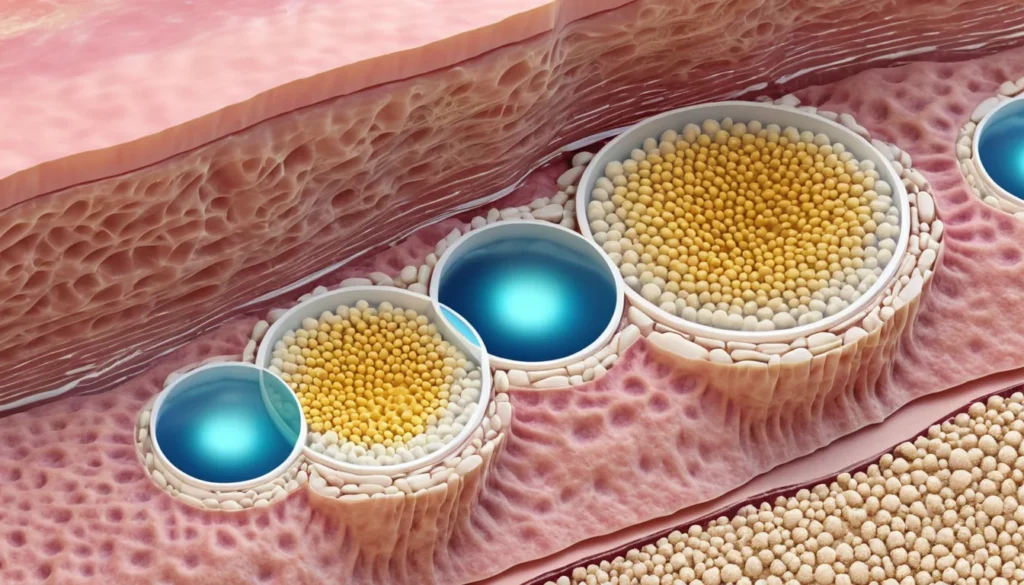
Acne is a skin condition that affects the hair follicles and oil glands beneath your skin. When these glands produce too much oil, dead skin cells and bacteria can block the pores. This blockage leads to inflammation and the bumps we commonly call pimples or breakouts.
Acne can appear on the face, neck, back, chest, and shoulders. These are the areas with the most oil-producing glands. For most people, acne is a manageable condition — but for some, it can be more severe and require medical treatment.
According to Health Canada, skin conditions like acne are among the most common reasons Canadians seek advice from a healthcare provider. Understanding your skin is the first step toward finding the right solution.
Types of Acne
Not all acne looks the same. There are several distinct types, and knowing which type you have can help you choose the right treatment. In addition, some types are more likely to cause scarring than others.
Teen Acne (Juvenile Acne)
Juvenile acne is the most common form of acne. It affects roughly 80% of teenagers at some point during adolescence. The good news is that in about 90% of cases, it clears up on its own by age 19, often without leaving scars.
Hormonal changes during puberty cause the oil glands to become more active. This extra oil, combined with dead skin cells, creates the perfect environment for acne to develop. However, some teens experience more severe breakouts that benefit from treatment.
Adult and Rosacea-Type Acne
Acne rosacea — often simply called rosacea — is a different skin condition that can look like acne. It tends to appear in women between the ages of 40 and 50. It causes redness, visible blood vessels, and bumps on the face, particularly on the cheeks and nose.
Unlike teen acne, rosacea does not typically involve blackheads. It is a chronic condition that requires long-term management. A family doctor or dermatologist can help confirm the diagnosis and recommend appropriate treatment.
Newborn Acne (Neonatal Acne)
Some babies are born with or develop small pimples on their face within the first few weeks of life. This is called neonatal acne, and it is quite common. Fortunately, it usually goes away on its own within a few months and does not require any treatment.
Neonatal acne is believed to be caused by maternal hormones passed to the baby before or during birth. Parents should avoid scrubbing or applying harsh products to the baby’s skin. If you are concerned, speak with your child’s doctor or paediatrician.
Rare and Severe Forms of Acne
There are some less common but more serious forms of acne. These include:
Necrotic acne: A severe form that typically appears on the forehead and can leave pitted scars.
Keloid acne: Occurs at the back of the neck and leads to raised, thickened scar tissue.
Acne conglobata: A very severe form involving large, interconnected abscesses and tunnels under the skin. This type nearly always requires medical intervention.
These forms of acne are much less common, but they can have a significant impact on both physical and mental health. If you suspect you have a severe form of acne, speak with a healthcare provider as soon as possible.
What Causes Acne?
Acne has several root causes, and often multiple factors work together to trigger a breakout. Understanding these causes can help you take steps to reduce flare-ups.
Hormonal Changes
Hormones are one of the biggest drivers of acne. During puberty, pregnancy, or certain phases of the menstrual cycle, the body produces more androgens (male hormones). These hormones signal the oil glands to produce more sebum, which can clog pores.
This is why acne often flares up during adolescence, around menstruation, or during pregnancy. Hormonal acne tends to appear along the jawline and chin, though it can spread to other areas as well.
Medications That Can Trigger Acne
Some medications are known to cause or worsen acne as a side effect. These include:
Corticosteroids (such as prednisone)
Vitamin B12 supplements
Corticotrophin (ACTH)
Barbiturates and bromides
Lithium salts
Certain anti-tuberculosis drugs
Immunosuppressant medications
Some oral contraceptives that contain androgenic derivatives
If you notice new acne after starting a medication, do not stop taking it without talking to your doctor first. There may be an alternative that works better for your skin.
Environmental and Chemical Triggers
Exposure to certain substances in the environment or workplace can also trigger acne. These include mineral oils, halogenated aromatic hydrocarbons, and industrial chlorine compounds. Accidental exposure to dioxins — chemicals found in some industrial processes — has also been linked to acne-like skin reactions.
This type of acne tends to appear as inflamed, congested, and sometimes oozing lesions, mainly on the face. It is most often seen in people who work in certain industrial settings. Proper protective equipment and workplace safety practices are important preventive measures.
Cosmetics and Skincare Products
Some cosmetics and skincare products can clog pores and contribute to breakouts. This is sometimes called “cosmetic acne” or acne cosmetica. Heavy, oil-based foundations and moisturisers are common culprits.
Look for products labelled “non-comedogenic,” which means they are less likely to block pores. In addition, always remove makeup before bed and cleanse your skin gently with a mild, fragrance-free cleanser.
How Is Acne Treated?
The right treatment for acne depends on its type and severity. Mild acne can often be managed at home, while moderate to severe acne may need prescription treatments. As a result, it is always a good idea to get a professional opinion before spending money on products that may not help.
Over-the-Counter Options
For mild acne, many Canadians start with products available at their local pharmacy. Common active ingredients include benzoyl peroxide, salicylic acid, and adapalene. These ingredients help kill bacteria, reduce inflammation, and unclog pores.
Give any new product at least six to eight weeks to show results. Switching products too quickly can irritate your skin and make things worse. A pharmacist at your local drugstore can help you choose the right product for your skin type.
Prescription Treatments
For moderate or severe acne, a doctor may prescribe topical or oral antibiotics, retinoids, or hormonal therapies. In some cases, isotretinoin (commonly known by the brand name Accutane) may be recommended for very severe or treatment-resistant acne.
Prescription treatments are more powerful but also come with more potential side effects. Your doctor will monitor you throughout the process to make sure the treatment is working safely. For more information on treatment options, visit the Mayo Clinic’s acne treatment guide.
Lifestyle Adjustments
Certain lifestyle changes can support clearer skin alongside medical treatment. These include:
Washing your face twice a day with a gentle cleanser
Avoiding touching your face with unwashed hands
Changing pillowcases regularly
Staying hydrated and eating a balanced diet rich in fibre and vegetables
Managing stress, which can trigger hormonal changes that worsen acne
No single lifestyle change will cure acne overnight. However, combining healthy habits with appropriate treatment gives you the best chance at clear skin.
Acne and Mental Health
It is important to acknowledge that acne can have a real impact on mental health and emotional well-being. Many Canadians — especially teenagers — report feeling embarrassed, anxious, or withdrawn because of their skin. This is completely understandable.
Research shows a strong link between acne and conditions like depression and low self-esteem. If acne is affecting your mood or behaviour, that is reason enough to seek help — regardless of how “mild” it may appear to others. Healthline’s overview of acne and mental health offers additional context on this important connection.
Speak openly with your family doctor about how acne is affecting your quality of life. Emotional well-being is just as important as physical health, and there is no reason to suffer in silence.
When to See a Doctor About Acne
Many people wait too long before seeking help for acne. If over-the-counter products have not improved your skin after eight weeks, it is time to make an appointment. In Canada, you can start with your family doctor, a walk-in clinic, or a nurse practitioner at a primary care centre.
You should see a healthcare provider sooner if:
Your acne is severe, painful, or covers a large area
You are developing cysts or nodules deep under the skin
Acne is leaving scars or dark marks
Your acne started after beginning a new medication
Acne is affecting your mental health or daily life
You are a parent concerned about a newborn’s skin
Your family doctor can refer you to a dermatologist (a skin specialist) if needed. Most provincial health plans cover dermatology referrals when medically necessary. Do not hesitate to advocate for your own skin health — acne is a legitimate medical condition, and effective help is available.
Frequently Asked Questions About Acne
What is the main cause of acne?
Acne is mainly caused by clogged pores, excess oil production, bacteria, and hormonal changes. Factors like certain medications, cosmetics, and environmental chemicals can also trigger or worsen acne. Hormonal shifts during puberty, pregnancy, or menstruation are among the most common causes.
Does acne go away on its own?
Teen acne often clears up on its own by around age 19 in about 90% of cases. However, other types of acne — such as adult acne or rosacea — may persist without treatment. Seeing a doctor early can help prevent scarring and speed up recovery.
Can certain foods make acne worse?
Some research suggests that high-glycaemic foods (like white bread, sugary drinks, and processed snacks) may worsen acne in some people. Dairy products have also been linked to breakouts in certain individuals, though the evidence is not fully conclusive. Eating a balanced diet rich in fibre, fruits, and vegetables is generally good for skin health.
Is acne covered under provincial health plans in Canada?
Visiting your family doctor or walk-in clinic for acne is covered under most provincial health plans in Canada. If your doctor refers you to a dermatologist, that visit is typically covered as well. However, some prescription medications and cosmetic treatments may not be fully covered — check with your provincial health authority or insurance plan.
Can medications cause acne?
Yes, several medications are known to trigger or worsen acne, including corticosteroids, lithium, some oral contraceptives, and vitamin B12 supplements. If you notice new breakouts after starting a medication, speak with your doctor before making any changes. There may be an alternative that is less likely to affect your skin.
When should I see a doctor for acne?
You should see a doctor if your acne is severe, painful, or not improving after eight weeks of over-the-counter treatment. It is also important to seek help if acne is causing scarring or affecting your mental health. In Canada, your family doctor, a walk-in clinic, or a primary care centre are all good starting points.
Key Takeaways
Acne is a very common skin condition caused by clogged pores, excess oil, bacteria, and hormonal changes. There are several types of acne, including teen acne, adult rosacea, neonatal acne, and rare severe forms like acne conglobata. Certain medications, cosmetics, and industrial chemicals can trigger acne as a side effect. Mild acne can often be managed with over-the-counter products, while moderate to severe cases may need prescription treatment. Acne can affect mental health and emotional well-being — this is a valid reason to seek medical support. If over-the-counter treatments have not worked after eight weeks, visit your family doctor, a walk-in clinic, or a primary care centre. Most provincial health plans in Canada cover doctor visits and specialist referrals for acne when medically necessary. Always cons