Aclasis is a medical term that describes an abnormal but continuous growth of tissue that should have stopped growing normally. In most cases, it refers to bone tissue that keeps growing beyond its usual boundaries. The most well-known example is a condition called multiple exostoses, where bony growths form on the skeleton. Understanding aclasis can help you recognize unusual changes in your body and know when to seek care from your family doctor or a walk-in clinic.
What Is Aclasis?
The word aclasis comes from Greek roots meaning “without breaking” or “continuous.” In medicine, it describes a pathological continuity — meaning tissue that continues to grow in an unbroken, abnormal way. Instead of stopping where it should, the tissue keeps forming in a way that disrupts normal structure.
This concept most often applies to bone disorders. However, the term can also apply to other tissue types in rare cases. For most Canadians, the practical meaning of aclasis relates to abnormal bony outgrowths on the skeleton.
Aclasis is not a single disease on its own. Rather, it is a descriptive term used to classify a type of abnormal tissue behaviour. Doctors use it to group conditions that share this pattern of continuous, irregular growth.
Aclasis and Multiple Exostoses: Understanding the Connection
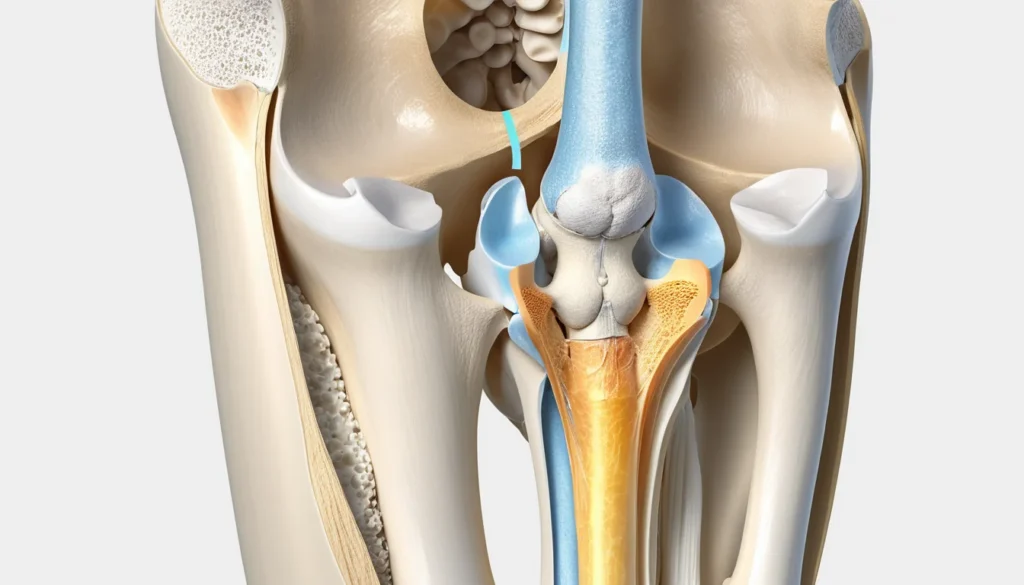
The most common condition associated with aclasis is hereditary multiple exostoses (HME), also called diaphyseal aclasis. In this condition, multiple bony lumps — called exostoses or osteochondromas — grow on the surface of bones. These growths usually appear near the ends of long bones, such as those in the arms, legs, and ribs.
HME is a genetic condition, meaning it is passed down through families. It affects roughly 1 in 50,000 people. However, some researchers believe the actual number may be higher, as mild cases often go undiagnosed.
In Canada, families with a history of multiple bony lumps are often referred to a geneticist or an orthopaedic specialist. Provincial health plans generally cover these referrals when a family doctor identifies a clinical need. If you have a family history of unusual bone growths, speaking with your doctor is a good first step.
What Are Exostoses?
An exostosis is a benign (non-cancerous) outgrowth of bone. It forms when cartilage at the growing end of a bone turns into extra bone tissue where it should not. These growths are usually hard to the touch and may feel like a bump under the skin.
In most cases, a single exostosis causes no serious problems. However, when multiple exostoses develop — as in aclasis — they can press on nerves, blood vessels, or nearby tissues. This can lead to pain, limited movement, or other complications.
For example, an exostosis near the knee might make it uncomfortable to bend the leg fully. One near the wrist could affect grip strength or cause tingling in the fingers.
Symptoms of Aclasis and Multiple Exostoses
Many people with aclasis-related conditions do not notice symptoms right away. In fact, bony growths may be discovered by accident during an X-ray for an unrelated issue. When symptoms do appear, they vary depending on where the growths are located.
Common signs and symptoms include:
A hard, painless lump near a joint or along a bone
Pain or tenderness around the growth, especially with movement
Limited range of motion in nearby joints
Numbness or tingling if a growth presses on a nerve
Limb length differences, particularly in children
Visible deformity of a limb or joint in more severe cases
Children and teenagers are most likely to notice new growths during periods of rapid bone development. Growth spurts can cause existing exostoses to become more prominent or uncomfortable. As a result, parents should mention any unusual bumps to their child’s doctor during regular check-ups.
Aclasis in Children vs. Adults
In children, aclasis-related bone growths tend to be more active. The growths usually slow down or stop once the skeleton finishes developing, typically in late adolescence. Therefore, most people see fewer new growths after their late teens.
In adults, the growths are generally stable. However, any change in size, shape, or pain level in an existing growth should be reported to a doctor promptly. A sudden change could indicate a rare transformation to a malignant (cancerous) growth, though this is uncommon.
According to Mayo Clinic’s information on osteochondroma, the risk of a benign bone growth becoming cancerous is low but not zero, making regular monitoring important.
How Is Aclasis Diagnosed?
Diagnosing aclasis or hereditary multiple exostoses usually begins with a physical examination. Your doctor will feel for bony lumps and ask about your family history. Because HME is genetic, knowing whether a parent or sibling had similar growths is very helpful.
Imaging tests are the next step. X-rays can clearly show bony growths and their location. An MRI or CT scan may be ordered if a growth is near important structures like nerves or blood vessels.
Genetic testing is also available for hereditary multiple exostoses. Mutations in the EXT1 and EXT2 genes are most often responsible. Your family doctor can refer you to a genetics clinic, which is available in most major Canadian cities and covered under provincial health plans.
Who Diagnoses This Condition in Canada?
Your family doctor is usually the first point of contact. They can order basic imaging and refer you to the right specialist. In most cases, an orthopaedic surgeon or a medical geneticist will take over ongoing care.
If you do not have a family doctor, a walk-in clinic can start the process. Walk-in physicians can order X-rays and make referrals, though follow-up care works best with a consistent primary care provider.
In addition, some children’s hospitals across Canada have specialized bone and genetics clinics. These are excellent resources for families dealing with hereditary conditions like HME.
Treatment Options for Aclasis
Not all cases of aclasis require active treatment. Many people manage well with regular monitoring and occasional pain relief. However, when growths cause significant problems, medical or surgical options are available.
Treatment choices include:
Watchful waiting: Regular check-ups and imaging to track any changes in the growths
Pain management: Over-the-counter pain relievers like acetaminophen or ibuprofen for mild discomfort
Physiotherapy: Exercises to maintain range of motion and strengthen surrounding muscles
Surgical removal: An option when a growth causes pain, nerve compression, or significant functional limitation
Surgery is generally straightforward for accessible growths. The orthopaedic surgeon removes the bony outgrowth and the overlying cartilage cap. Recovery time depends on the location and size of the growth, but most people return to normal activities within a few weeks to months.
Furthermore, research into genetic therapies for hereditary multiple exostoses is ongoing. While no gene-based treatment is currently available in clinical practice, Canadian research institutions are contributing to global efforts in this area.
Living With Aclasis Long-Term
Most people with aclasis lead full, active lives. With proper monitoring and timely treatment when needed, serious complications are uncommon. Physical activity is generally encouraged, though high-impact sports may need to be modified based on where growths are located.
Support groups and patient networks can also be helpful. Connecting with others who have hereditary multiple exostoses provides practical advice and emotional support. Organizations such as the Health Canada health resources portal can point Canadians toward relevant patient support services and genetic counselling options.
When to See a Doctor
You should speak with your family doctor if you notice a hard lump on or near a bone that does not go away. This is especially important if the lump is growing, becoming painful, or limiting your movement. Your doctor can determine whether imaging or a specialist referral is needed.
Visit a walk-in clinic right away if you experience sudden, severe pain near a known growth, or if you develop significant swelling, warmth, or redness around it. These symptoms could suggest a complication that needs prompt attention.
Parents should also bring their child to a doctor if they notice unexplained bumps on the arms, legs, or ribs, particularly if there is a family history of similar growths. Early diagnosis of hereditary multiple exostoses allows for better long-term planning and monitoring.
As with any health concern, it is always best to consult a qualified healthcare professional for a proper assessment. This article provides general information only and is not a substitute for personalized medical advice from your doctor.
For additional background, Healthline’s overview of osteochondroma and bone growths offers helpful context on how these conditions are understood and managed.
Frequently Asked Questions About Aclasis
What is aclasis in simple terms?
Aclasis is a medical term for abnormal, continuous tissue growth that does not stop where it normally should. In practice, aclasis most often refers to bony outgrowths that form on the skeleton, particularly in a condition called hereditary multiple exostoses. Think of it as bone tissue that keeps growing beyond its normal boundary.
Is aclasis the same as multiple exostoses?
They are closely related but not exactly the same. Aclasis is the broader term describing the pattern of abnormal continuous growth, while multiple exostoses (or diaphyseal aclasis) is the specific condition it most often describes. Diaphyseal aclasis refers to multiple bony growths forming along the shafts and ends of bones throughout the skeleton.
Is aclasis a hereditary condition?
Yes, the most common form — hereditary multiple exostoses — is passed down through families and follows an autosomal dominant inheritance pattern. This means a child has a 50% chance of inheriting the condition if one parent carries the gene mutation. Genetic testing is available in Canada through referral from your family doctor.
Can aclasis turn into cancer?
In rare cases, a bony growth associated with aclasis can transform into a malignant tumour, but this happens in a very small percentage of cases. Any growth that suddenly changes in size, becomes more painful, or feels different should be evaluated by a doctor as soon as possible. Regular monitoring is the best way to catch any concerning changes early.
How is aclasis treated in Canada?
Treatment for aclasis in Canada depends on how much the bone growths affect daily life. Many people only need regular monitoring and occasional pain management. When growths cause significant pain, nerve compression, or movement problems, surgical removal is an option covered under provincial health plans with an orthopaedic referral.
What is the difference between aclasis and aclasia?
Aclasis, aclasia, and aclase are all synonyms — different spellings of the same medical concept. They all describe the same phenomenon of pathological continuous tissue growth. In English-language medical literature, “aclasis” is the most commonly used spelling.
Key Takeaways
Aclasis describes abnormal, continuous growth of tissue — most often bone — that extends beyond its normal boundaries.
The most common related condition is hereditary multiple exostoses (diaphyseal aclasis), a genetic disorder causing multiple bony growths on the skeleton.
Many people with this condition have few or no symptoms, but growths can cause pain, limited movement, or nerve compression.
Diagnosis involves physical examination, X-rays, and sometimes genetic testing, all accessible through Canadian provincial health systems.
Treatment ranges from watchful waiting to physiotherapy and surgical removal, depending on the severity of symptoms.
Regular monitoring is important, as rare cases can involve changes to a growth that need prompt medical attention.
Always speak with your family doctor or visit a walk-in clinic if you notice unexplained bony lumps or changes in existing growths.