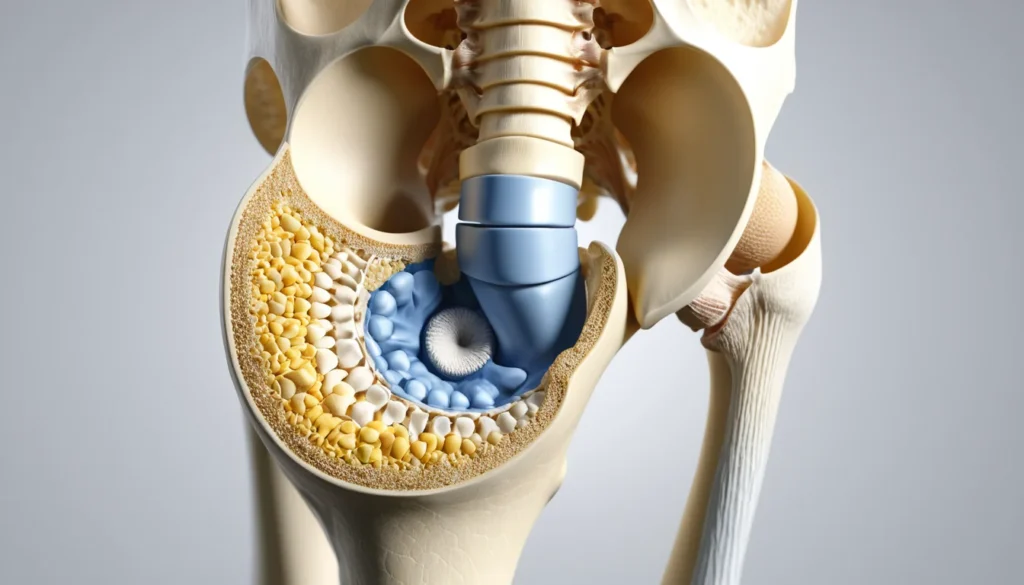
Aclasis is a medical term that describes an abnormal continuation of tissue structure — most commonly seen in a condition called multiple hereditary exostoses, where bony growths form in the wrong places. This article explains what aclasis means, what causes it, what symptoms to watch for, and how it is managed in Canada. Whether you or a family member has been diagnosed, or you simply want to understand this term your doctor used, you will find clear and helpful information here.
What Is Aclasis?
The word aclasis comes from medical terminology meaning a “pathological continuity” of a structure. In plain language, it refers to tissue that keeps growing in a way it should not. Instead of stopping at a natural boundary, the tissue extends beyond its normal limits.
Aclasis is most often associated with multiple hereditary exostoses (MHE), also called diaphyseal aclasis. In this condition, multiple bony outgrowths — called osteochondromas or exostoses — develop on the bones. These growths are not normal bone tissue. They form where bone growth goes off course.
The term is sometimes spelled “aclasia” or “aclasie” in older or European medical texts. All three spellings refer to the same underlying concept. In modern Canadian and international medical practice, aclasis is the most commonly used term.
Understanding Multiple Hereditary Exostoses
Multiple hereditary exostoses is the condition most strongly linked to aclasis. It is a rare genetic disorder that causes non-cancerous bone tumours to grow on the skeleton. These tumours usually appear near the ends of long bones, such as those in the arms, legs, and ribs.
According to Healthline’s overview of multiple hereditary exostoses, the condition affects roughly 1 in 50,000 people. It is inherited in an autosomal dominant pattern, meaning a child only needs to inherit the abnormal gene from one parent to develop the condition.
Symptoms often appear during childhood, as the skeleton is still developing. For this reason, parents may first notice unusual bumps or lumps on a child’s limbs. However, some people are not diagnosed until adulthood, when symptoms become more noticeable.
How Bone Growths Form in Aclasis
Normal bone grows from specialised areas called growth plates. In aclasis, cells from the growth plate migrate to places they should not be. As a result, they form bony outgrowths covered with a layer of cartilage.
These growths, called osteochondromas, are usually benign (non-cancerous). However, in rare cases, they can transform into a type of cancer called chondrosarcoma. This is one reason why regular monitoring is important for anyone diagnosed with this condition.
The growths can vary in size and number. Some people develop only a few small growths. Others may have dozens spread across multiple bones. The severity varies widely, even within the same family.
Signs and Symptoms of Aclasis
The symptoms of aclasis depend on where the bone growths form and how large they become. Many people live with the condition for years without knowing it, especially if their growths are small and painless.
Common signs and symptoms include:
Hard lumps or bumps near joints or along bones, especially in the knees, ankles, hips, and shoulders
Pain or tenderness in the area around a growth, particularly after activity
Limited range of motion in nearby joints if a growth puts pressure on tendons or muscles
Uneven limb length, which can cause a limp or uneven posture
Nerve or blood vessel compression, which may cause tingling, numbness, or swelling
Deformity of bones, such as a bowing of the forearm or leg
In children, a parent or teacher may first notice a visible lump during a physical check. In adults, pain after exercise is often what brings the condition to attention. Furthermore, routine X-rays taken for other reasons sometimes reveal growths that were previously unknown.
When Symptoms Become More Serious
Most bony growths in aclasis remain stable after puberty, when the skeleton stops growing. However, you should seek medical attention promptly if a growth begins to grow rapidly, becomes very painful, or feels soft and spongy. These changes can sometimes signal a rare transformation into cancer.
Any sudden change in the size or character of a known growth deserves a medical evaluation. Do not wait for your next scheduled check-up if something changes quickly. Early detection always leads to better outcomes.
How Is Aclasis Diagnosed?
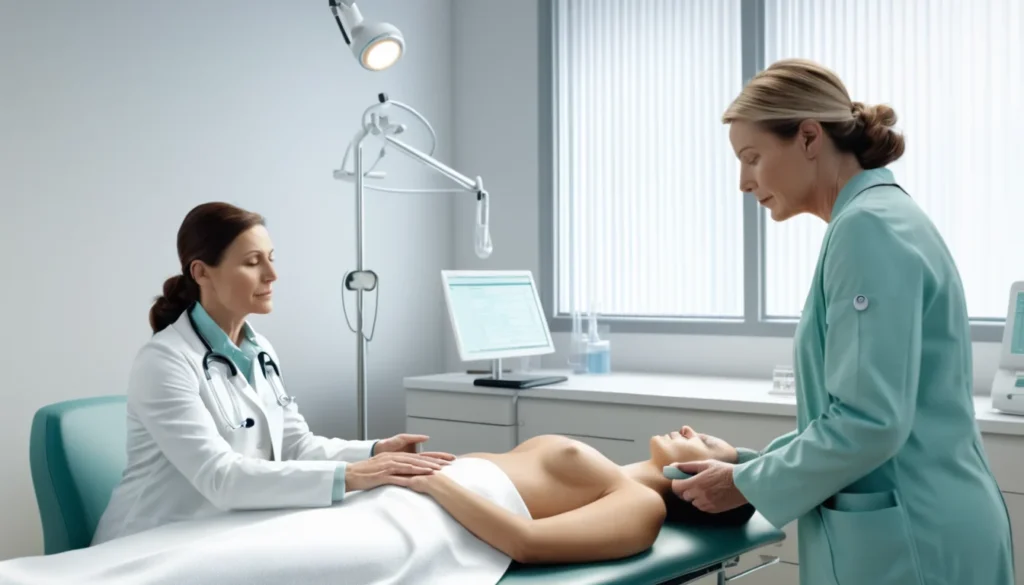
Diagnosing aclasis usually begins with a physical examination and a review of your personal and family health history. Because MHE runs in families, your doctor will likely ask whether any relatives have had similar bone growths or been diagnosed with the condition.
The following tests are commonly used:
X-rays — the most common first step; they clearly show bony growths on the skeleton
MRI or CT scans — used to get a more detailed picture of growths near nerves, blood vessels, or the spine
Genetic testing — can confirm mutations in the EXT1 or EXT2 genes, which are responsible for most cases of MHE
Biopsy — rarely needed, but may be done if a growth looks suspicious for cancer
In Canada, your family doctor or a walk-in clinic can order initial imaging. However, a referral to an orthopaedic specialist or a medical geneticist is usually the next step for a full diagnosis and management plan. Provincial health plans generally cover these diagnostic tests when referred by a physician.
The Role of Genetic Testing in Canada
Because aclasis linked to MHE is a genetic condition, genetic counselling can be very valuable. A genetic counsellor can help families understand the inheritance pattern, the risk of passing the condition to children, and what screening looks like for family members who may be affected.
Genetic services in Canada are available through hospitals and specialty clinics. Ask your family doctor for a referral if you are interested in genetic counselling. Most provincial health plans provide some level of coverage for genetic testing when it is medically necessary.
Treatment and Management Options
There is currently no cure for the genetic cause of aclasis. However, treatment focuses on managing symptoms, preventing complications, and monitoring for any concerning changes in the growths.
According to Mayo Clinic’s information on osteochondroma, many growths do not need treatment at all. If a growth is small, not causing pain, and not interfering with movement, a watchful waiting approach is often recommended.
However, surgery may be needed in certain cases, including:
When a growth causes significant pain that does not respond to other treatments
When a growth compresses a nerve, blood vessel, or the spinal cord
When a growth limits joint movement or causes deformity
When there is concern about cancerous transformation
Non-Surgical Management
For many people with aclasis, non-surgical approaches help manage day-to-day symptoms. Over-the-counter pain relievers, such as acetaminophen or ibuprofen, can help with mild discomfort. Always follow dosage directions on the label or speak with your pharmacist.
Physiotherapy can also help maintain strength and flexibility around affected joints. A physiotherapist can design a programme tailored to your specific needs and limitations. In addition, using supportive bracing or orthotics may reduce discomfort during physical activity.
Surgical Treatment
When surgery is recommended, the most common procedure is the surgical removal of the bony growth. This is typically done by an orthopaedic surgeon. Recovery time depends on the size and location of the growth, as well as the overall health of the patient.
After surgery, most people experience significant relief from pain and improved movement. However, surgery does not prevent new growths from forming in other locations. Therefore, ongoing monitoring remains important even after a successful procedure.
Living With Aclasis in Canada
A diagnosis of aclasis or multiple hereditary exostoses can feel overwhelming at first. However, with the right medical support and monitoring plan, most people lead full and active lives.
Children diagnosed with this condition should have regular check-ups with a paediatrician and an orthopaedic specialist. Schools and parents can work together to accommodate any physical limitations during sports or physical education. Most children with MHE participate in regular activities with minor modifications.
Adults with aclasis benefit from regular imaging, typically every one to two years, to track any changes in existing growths. If you have a known diagnosis, make sure your family doctor keeps this on your health record so that any new provider is aware of your history.
Support groups and patient organisations can also be a valuable resource. Connecting with others who have the same condition can reduce feelings of isolation and provide practical advice. The Health Canada website provides information on rare diseases and how to access support services across provinces and territories.
When to See a Doctor
You should make an appointment with your family doctor if you notice any hard, painless lumps near your joints or along the bones of your arms or legs. While not all lumps are related to aclasis, it is always best to have unexplained growths examined by a medical professional.
Visit a walk-in clinic or your family doctor promptly if you experience:
A lump that is growing rapidly in size
Sudden or worsening pain around a known bony growth
Numbness, tingling, or weakness in a limb
Swelling that does not go down after a few days
Any change in the feel or texture of a growth
If you have a family history of multiple hereditary exostoses, speak with your doctor about screening for yourself and your children. Early diagnosis allows for better monitoring and planning. As always, this article is for general information only — please consult a qualified healthcare provider for advice specific to your situation.
Frequently Asked Questions About Aclasis
What is aclasis in simple terms?
Aclasis is a medical term for the abnormal continuation of tissue beyond its normal boundary. It is most commonly associated with multiple hereditary exostoses, a condition where bony growths called osteochondromas form on the skeleton. In simple terms, it means tissue that keeps growing in a place where it should not.
Is aclasis a serious condition?
For most people, aclasis causes manageable symptoms and does not significantly shorten life expectancy. However, the condition does require regular monitoring because, in rare cases, the bony growths associated with aclasis can become cancerous. Working closely with your doctor ensures any changes are caught early.
Is aclasis hereditary?
Yes, the most common form of aclasis — multiple hereditary exostoses — is an inherited genetic condition. It follows an autosomal dominant inheritance pattern, meaning a child has a 50% chance of inheriting it if one parent carries the gene mutation. Genetic counselling can help families understand their specific risk.
Can aclasis be cured?
Currently, there is no cure for the genetic mutation that causes aclasis. However, individual bony growths can be surgically removed if they cause pain, limit movement, or press on nerves. Most people manage the condition successfully with regular monitoring and treatment when needed.
How is aclasis different from a single osteochondroma?
A single osteochondroma is one isolated bony growth, and it is usually not linked to a genetic condition. Aclasis, or multiple hereditary exostoses, involves many growths on different bones throughout the body and is caused by an inherited gene mutation. The presence of multiple growths is what distinguishes aclasis from a solitary tumour.
What doctor should I see if I think I have aclasis?
Start by visiting your family doctor or a walk-in clinic, who can order initial X-rays and refer you to the right specialist. An orthopaedic surgeon or a medical geneticist are the most common specialists involved in diagnosing and managing aclasis. If you have children with a family history of the condition, a paediatrician referral is also a good first step.
Key Takeaways
Aclasis refers to the pathological continuation of tissue structure, most commonly associated with multiple hereditary exostoses (MHE).
MHE causes multiple non-cancerous bony growths to form on the skeleton, usually near the ends of long bones.
The condition is genetic and follows an autosomal dominant inheritance pattern.
Common symptoms include hard lumps near joints, pain, limited movement, and in some cases, limb deformity.
Diagnosis involves X-rays, MRI or CT scans, and sometimes genetic testing — all available through the Canadian healthcare system with a doctor’s referral.
There is no cure, but growths can be surgically removed when necessary, and symptoms can be managed with physiotherapy and pain relief.
Regular monitoring is essential, as rare cases of cancerous transformation can occur.
Always speak with your family doctor, a walk-in clinic, or a specialist if you notice unexplained lumps or changes in existing growths.