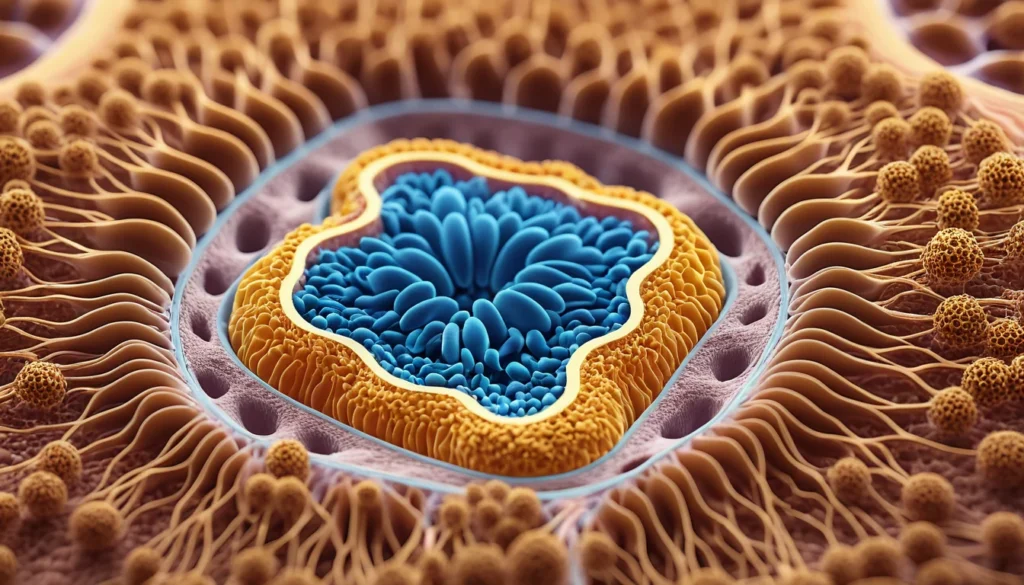
Acinar cells are tiny, specialized cells that line small sac-like structures in the body called acini (singular: acinus). These cells play a key role in producing and releasing important substances, such as digestive enzymes and fluids. You will find acinar cells in organs like the pancreas and lungs. Understanding how these cells work can help you better understand conditions that affect those organs.
What Are Acinar Cells?
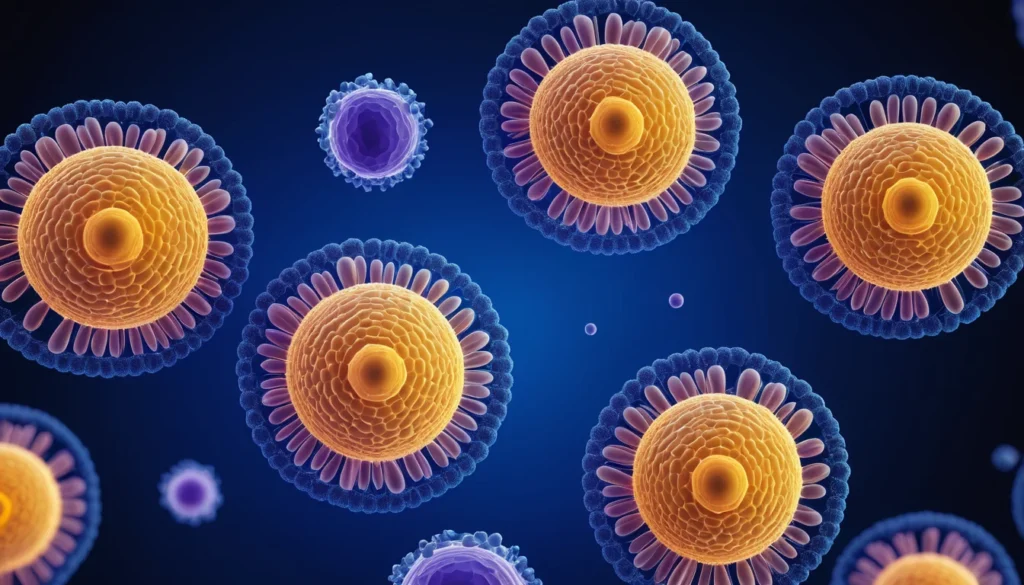
An acinus is a small, rounded sac or cavity surrounded by glandular cells. Think of it like a tiny hollow berry, with the cells arranged around a central space. The cells that form the walls of this sac are called acinar cells.
These cells belong to a group called secretory cells. Secretory cells are cells whose main job is to make and release substances that the body needs. Acinar cells are found in many glands throughout the body, but they are most well known for their roles in the pancreas and the lungs.
In addition, acinar cells are part of what doctors call the exocrine system. Exocrine glands release their products through ducts, or small tubes, rather than directly into the bloodstream. This is different from endocrine glands, which release hormones directly into the blood. The pancreas, for example, has both exocrine and endocrine functions, and acinar cells are responsible for the exocrine side.
How Acinar Cells Work in the Pancreas
The pancreas sits behind your stomach and is about the size of your hand. It has two main jobs: managing blood sugar and helping with digestion. Pancreatic acinar cells handle the digestion side of things.
These cells produce digestive enzymes. Enzymes are proteins that speed up chemical reactions. In this case, the enzymes help break down the food you eat, including proteins, fats, and carbohydrates. The acinar cells release these enzymes into small ducts that lead to the small intestine.
However, the enzymes produced by acinar cells are actually released in an inactive form first. This is an important safety mechanism. If the enzymes were active inside the pancreas itself, they could start digesting the organ’s own tissue. The enzymes only become active once they reach the small intestine, where they get to work breaking down your food.
For example, acinar cells produce a substance called trypsinogen. Once it reaches the small intestine, it converts into trypsin, an active enzyme that breaks down proteins. This careful process protects your pancreas from damage.
Key Enzymes Produced by Pancreatic Acinar Cells
Pancreatic acinar cells produce a wide range of digestive enzymes. Here are the main ones:
Amylase – breaks down carbohydrates and starches into simpler sugars
Lipase – breaks down dietary fats into fatty acids
Trypsinogen – the inactive form of trypsin, which digests proteins
Chymotrypsinogen – another inactive enzyme that helps digest proteins
Elastase – breaks down a protein called elastin found in connective tissue
Nucleases – break down nucleic acids like DNA and RNA from food
These enzymes work together to make sure your body absorbs nutrients properly from the food you eat. Without healthy acinar cells, digestion can become significantly impaired.
Acinar Cells in the Lungs
The lungs also contain structures called pulmonary acini. In the lungs, an acinus refers to the cluster of tiny air sacs, called alveoli, at the end of each small airway. These structures are where gas exchange happens — oxygen moves into your blood and carbon dioxide moves out.
In this context, acinar cells help maintain the thin, moist lining of the airways. Some acinar-type cells in the lungs produce mucus and other fluids that keep the airways clean and protected. These fluids trap dust, bacteria, and other particles before they can reach deeper into the lung tissue.
Furthermore, the health of pulmonary acini is directly linked to conditions like emphysema, chronic obstructive pulmonary disease (COPD), and certain types of lung cancer. When acinar structures are damaged — often by smoking — gas exchange becomes less efficient, and breathing becomes difficult.
Acinar Structures in Other Glands
Acini are not found only in the pancreas and lungs. They also appear in other glands across the body. For example:
Salivary glands – acinar cells here produce saliva, which starts the digestion of food in your mouth
Mammary glands – acinar cells produce breast milk in people who are breastfeeding
Lacrimal glands – these produce tears to keep your eyes moist and protected
Sweat glands – some types contain acinar-like structures involved in secretion
As a result, acinar cells play a role in many everyday bodily functions that most people never think about.
What Happens When Acinar Cells Are Damaged?
When acinar cells stop working properly, the effects can range from mild to very serious. The type of problem depends on which organ is affected and how severely the cells are damaged.
In the pancreas, damage to acinar cells can lead to a condition called pancreatitis. This is when the pancreas becomes inflamed. Acute pancreatitis comes on suddenly and can be very painful. Chronic pancreatitis develops over time and can permanently damage the organ. Common causes include heavy alcohol use, gallstones, and certain medications.
However, acinar cell damage can also be linked to more serious conditions. Acinar cell carcinoma is a rare type of pancreatic cancer that starts in the acinar cells. It accounts for a small percentage of all pancreatic cancers. Like most cancers, early detection greatly improves outcomes, so it is important to pay attention to warning signs.
In the lungs, damage to pulmonary acinar structures from smoking, pollution, or infection can reduce your lung capacity over time. This is one of the main reasons health authorities in Canada strongly encourage quitting smoking and reducing exposure to air pollutants. You can learn more about protecting your lungs from Health Canada’s official health resources.
Signs That Something May Be Wrong
Your body often gives you warning signs when something is not right with organs that contain acinar cells. Here are some symptoms worth paying attention to:
Persistent abdominal pain, especially in the upper abdomen or back
Nausea or vomiting that does not go away
Unexplained weight loss
Greasy, pale, or foul-smelling stools (a sign of poor fat digestion)
Shortness of breath or a chronic cough
Jaundice (yellowing of the skin or eyes)
These symptoms do not always mean something serious is wrong. However, they are worth discussing with a healthcare provider, especially if they persist for more than a few days.
Acinar Cells and Medical Research
Scientists and researchers around the world are actively studying acinar cells, particularly in the pancreas. This research is important because the pancreas is a complex organ that plays a role in both digestion and diabetes.
One area of research involves understanding how acinar cells can sometimes convert into other cell types. Under certain conditions, pancreatic acinar cells can transform into cells that resemble ductal cells — the cells lining the pancreatic ducts. This process, called acinar-to-ductal metaplasia, is thought to be an early step in the development of some types of pancreatic cancer.
Furthermore, researchers are exploring whether acinar cells could be reprogrammed into insulin-producing cells. This could potentially open new doors in the treatment of Type 1 diabetes. The World Health Organization recognizes diabetes as one of the leading global health burdens, making this research especially valuable.
In addition, advances in imaging technology are making it easier for doctors to study acinar structures without invasive procedures. This benefits patients across Canada who need accurate diagnoses for pancreatic and lung conditions.
When to See a Doctor
If you experience any of the symptoms mentioned in this article, it is a good idea to reach out to your family doctor as a first step. Your family doctor can run basic tests, review your medical history, and refer you to a specialist if needed. In Canada, your provincial health plan typically covers these initial consultations.
If you do not have a family doctor, a walk-in clinic is a great option for getting an initial assessment. Walk-in clinics are available in most Canadian cities and towns, and many are covered under your provincial health insurance. You can also use your province’s telehealth line for advice if you are unsure whether your symptoms need immediate attention.
Do not wait too long if your symptoms are severe. Sudden, intense abdominal pain, difficulty breathing, or jaundice are signs that you should seek care promptly — either at a walk-in clinic or an emergency department. For more information on digestive health and when to seek care, visit the Mayo Clinic’s digestive health resource centre.
As always, this article is meant to inform, not to replace professional medical advice. Please speak with a qualified healthcare provider for any concerns about your personal health.
Frequently Asked Questions About Acinar Cells
What are acinar cells and where are they found?
Acinar cells are specialized secretory cells that line tiny sac-like structures called acini in the body. They are most commonly found in the pancreas, lungs, and salivary glands. Their main job is to produce and release important substances like digestive enzymes, mucus, and saliva.
What do pancreatic acinar cells do?
Pancreatic acinar cells produce digestive enzymes that help break down food in the small intestine. These enzymes include amylase for carbohydrates, lipase for fats, and trypsinogen for proteins. Without healthy pancreatic acinar cells, the body struggles to absorb nutrients properly from food.
What is acinar cell carcinoma?
Acinar cell carcinoma is a rare type of cancer that originates in the acinar cells of the pancreas. It makes up a small percentage of all pancreatic cancers. Early detection is important, so speak with your family doctor if you notice persistent abdominal pain, weight loss, or jaundice.
Can damaged acinar cells cause pancreatitis?
Yes, damage or dysfunction in pancreatic acinar cells is closely linked to pancreatitis, which is inflammation of the pancreas. This can happen when digestive enzymes become activated inside the pancreas instead of the small intestine, causing the organ to digest itself. Common triggers include alcohol use, gallstones, and certain medications.
Are pulmonary acini the same as alveoli?
Pulmonary acini and alveoli are related but not exactly the same thing. A pulmonary acinus refers to the entire cluster of airways and air sacs — including the alveoli — at the end of a small airway called a terminal bronchiole. Acinar cells in the lungs help maintain the moist lining of these structures to support healthy breathing and gas exchange.
Why are acinar cells important for overall health?
Acinar cells are essential because they power many of the body’s key secretory functions, from digesting food to keeping airways moist and protected. When these cells are damaged or diseased, the effects can ripple across multiple body systems. Maintaining a healthy lifestyle — including a balanced diet, not smoking, and limiting alcohol — helps protect your acinar cells and the organs they support.
Key Takeaways
Acinar cells are specialized cells that line tiny sac-like structures called acini throughout the body.
They are most important in the pancreas, where they produce digestive enzymes to help break down food.
In the lungs, acinar structures are where gas exchange takes place, making them essential for breathing.
Damage to acinar cells can lead to conditions like pancreatitis, poor nutrient absorption, or reduced lung function.
Acinar cell carcinoma is a rare but serious form of pancreatic cancer that starts in these cells.
Researchers are actively studying acinar cells for potential breakthroughs in cancer treatment and diabetes care.
If you experience persistent abdominal pain, unexplained weight loss, breathing difficulties, or jaundice, speak with your family doctor or visit a walk-in clinic.
This article is for informational purposes only. Always consult a qualified healthcare provider for personal medical advice.