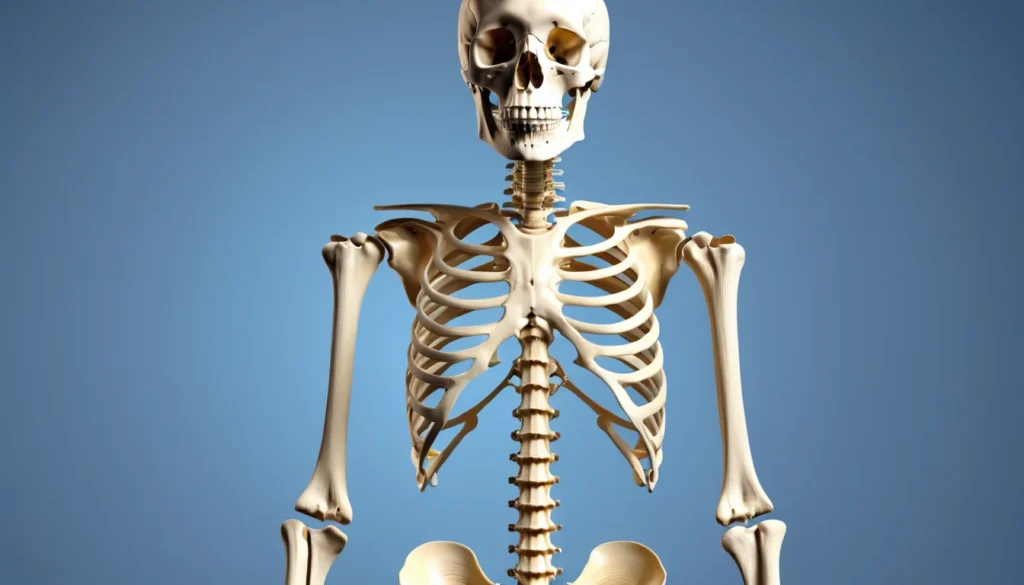
Achondroplasia is the most common form of dwarfism. It is a genetic bone growth disorder that affects how the long bones in the arms and legs develop. However, it does not affect how the skull or spine grow in the same way. In this article, you will learn what causes achondroplasia, what symptoms to watch for, how it is diagnosed, and what treatment and support options are available in Canada.
What Is Achondroplasia?
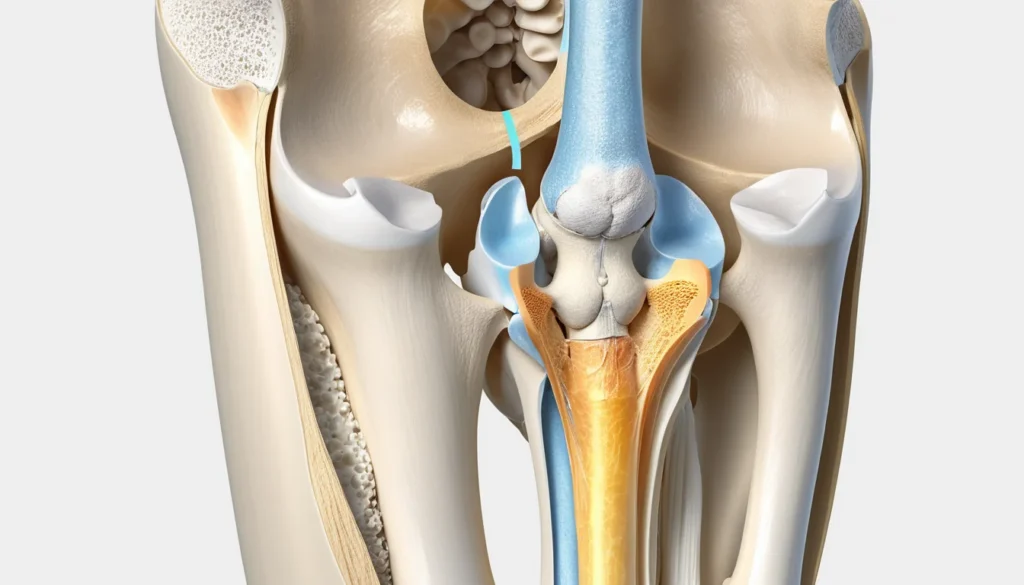
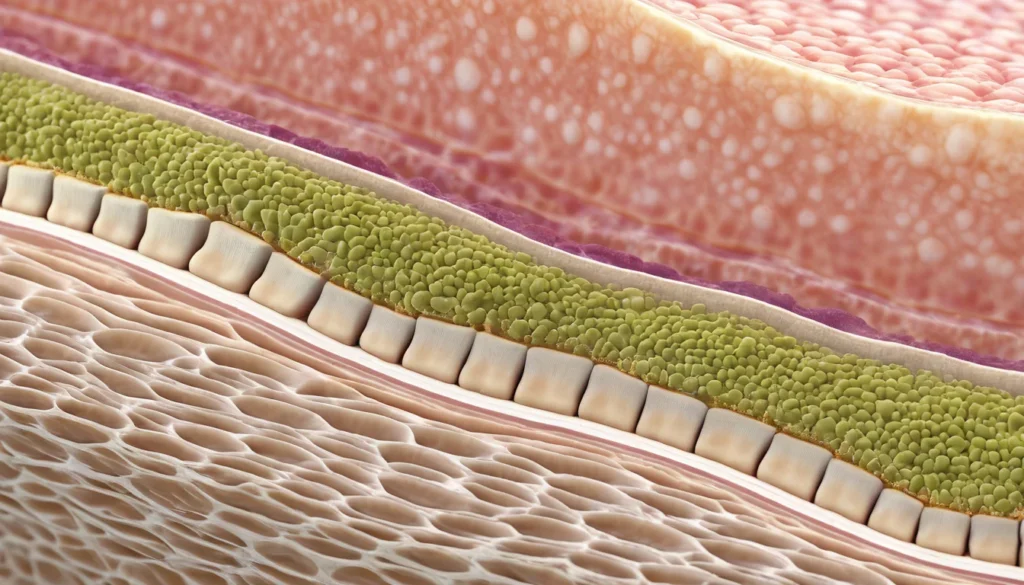
Achondroplasia is a condition a person is born with. It affects the way cartilage turns into bone, a process called ossification. As a result, the long bones of the body — especially in the arms and legs — grow much shorter than average.
The word “achondroplasia” comes from Greek and means “without cartilage formation.” However, the issue is not a complete absence of cartilage. Instead, the cartilage does not convert into bone properly during fetal development and throughout childhood.
People with achondroplasia typically have a normal-sized torso, a larger-than-average head, and shorter arms and legs. Their intelligence and lifespan are generally the same as those without the condition. According to the World Health Organization, achondroplasia affects approximately 1 in every 25,000 births worldwide.
What Causes Achondroplasia?
Achondroplasia is caused by a change, or mutation, in the FGFR3 gene. This gene gives the body instructions for making a protein that helps control bone growth. When the gene mutates, it causes the protein to become overactive. As a result, bone growth is slowed significantly.
In about 80% of cases, the mutation happens on its own. This means neither parent carries the gene change. These cases are called de novo mutations, which simply means “new” mutations.
In the remaining cases, achondroplasia is inherited. It follows what is called an autosomal dominant pattern. This means only one copy of the changed gene is needed to cause the condition. If one parent has achondroplasia, each child has a 50% chance of inheriting it.
Research also shows that the risk of a de novo mutation increases with the age of the father at the time of conception. However, achondroplasia can affect anyone, regardless of family history or background.
Recognising the Signs and Symptoms of Achondroplasia
The signs of achondroplasia are often visible at birth or even before birth on an ultrasound. A healthcare provider may notice that the baby’s limbs appear shorter than expected compared to the size of the body.
Physical Features in Infants and Children
Common physical features of achondroplasia in babies and young children include:
Shorter arms and legs, especially the upper arms and thighs
A larger head size (macrocephaly) with a prominent forehead
A flattened bridge of the nose
Reduced muscle tone (hypotonia) in infancy
A curved lower spine (lordosis)
Short fingers that may appear in a “trident” shape
Most babies with achondroplasia reach developmental milestones — such as sitting, standing, and walking — a little later than other children. However, they do reach them. Therefore, delays in motor development do not mean there is a problem with intelligence or overall health.
Physical Features in Adults
Adults with achondroplasia typically reach an average height of about 131 cm (4 feet 4 inches) for men and 124 cm (4 feet 1 inch) for women. They may also experience:
Spinal stenosis (narrowing of the spinal canal), which can cause pain or weakness
Bowed legs
Repeated ear infections due to differences in skull structure
Sleep apnea (interrupted breathing during sleep)
Joint problems in the hips and knees
Many of these complications are manageable with proper medical care. Furthermore, many people with achondroplasia live full, active, and independent lives.
How Is Achondroplasia Diagnosed?
Doctors can diagnose achondroplasia before or after birth. Early diagnosis helps families access the right support and medical care as soon as possible.
Prenatal Diagnosis
During pregnancy, a routine ultrasound may show signs of achondroplasia as early as the second trimester. For example, the ultrasound might show that the baby’s limbs are shorter than expected. If there is a family history of the condition, genetic testing through amniocentesis or chorionic villus sampling (CVS) can confirm the diagnosis before birth.
In Canada, prenatal genetic counselling is available through most provincial health programmes. Your family doctor or obstetrician can refer you to a genetics specialist if needed.
Diagnosis After Birth
At birth, a doctor will assess the baby’s physical features. If achondroplasia is suspected, an X-ray of the skeleton can reveal the characteristic bone changes. A genetic blood test can then confirm the FGFR3 mutation and provide a definitive diagnosis of achondroplasia.
In Canada, newborn assessments are a standard part of the birthing process in hospitals. If a doctor notices signs of a bone growth disorder, they will arrange further testing through the provincial health system. You will not need to navigate this process alone.
Treatment and Management of Achondroplasia in Canada
There is no cure for achondroplasia. However, a range of treatments and supports can greatly improve quality of life. Management focuses on preventing and treating complications as they arise.
Medical Treatments
In 2021, Health Canada approved a new medication called vosoritide (Voxzogo) for children with achondroplasia who still have open growth plates. This drug targets the overactive FGFR3 protein and has been shown to increase growth rate in clinical trials. It is given as a daily injection.
Access to this medication in Canada may vary by province. Speak with your child’s specialist or paediatrician to learn whether it is covered under your provincial health plan. You can also find more information through Health Canada’s official website.
In addition to medication, some individuals may consider surgical options. For example, surgery can treat spinal stenosis if it causes significant pain or nerve problems. Ear tube surgery is also common in children who experience frequent ear infections.
Physiotherapy and Occupational Therapy
Physiotherapy helps strengthen muscles and improve posture and mobility. Occupational therapy helps individuals adapt everyday activities to their needs. Both services are often covered, at least in part, through provincial health plans across Canada.
Children with achondroplasia may also benefit from speech therapy, particularly if ear infections have affected their hearing and language development. Therefore, early intervention with a team of specialists is strongly encouraged.
Adaptive Supports and Daily Living
Many people with achondroplasia use simple adaptive tools to make daily life easier. These include extended light switches, step stools, and specially designed furniture. Occupational therapists can recommend the right tools based on individual needs.
Furthermore, organisations such as Little People of Canada offer peer support, resources, and community connections for individuals and families living with achondroplasia across the country.
When to See a Doctor
If you are pregnant and your ultrasound shows signs of shortened limbs, speak with your obstetrician or family doctor right away. They can refer you to a genetics specialist or maternal-fetal medicine centre for further evaluation.
If your child has been diagnosed with achondroplasia, regular check-ups with a paediatrician and specialist team are essential. Watch for warning signs that need prompt attention, such as:
Breathing difficulties or signs of sleep apnea
Weakness or numbness in the legs or arms
Frequent or severe headaches
Repeated ear infections or hearing loss
Significant back or leg pain
For non-urgent concerns, your family doctor is your best first point of contact. If you do not have a family doctor, a walk-in clinic can assess your concerns and provide referrals to specialists through your provincial health system. Always consult a qualified healthcare professional for advice specific to your or your child’s situation.
Frequently Asked Questions About Achondroplasia
Is achondroplasia life-threatening?
Achondroplasia itself is not typically life-threatening. However, some complications of achondroplasia — such as spinal stenosis or sleep apnea — can become serious if left untreated. With regular medical care, most people with this condition live a normal lifespan.
Can achondroplasia be detected before birth?
Yes, achondroplasia can often be detected during a prenatal ultrasound in the second trimester. If there is a family history of achondroplasia, genetic testing such as amniocentesis can confirm the diagnosis before the baby is born. Your doctor can guide you through the options available in your province.
Does achondroplasia affect intelligence?
No, achondroplasia does not affect a person’s intelligence. People with this condition have the same range of intellectual abilities as anyone else. The condition affects bone growth, not brain development.
Is there a treatment or cure for achondroplasia?
There is currently no cure for achondroplasia. However, a medication called vosoritide has been approved in Canada to help increase growth rate in children with achondroplasia who still have open growth plates. Other treatments focus on managing complications such as spinal stenosis and ear infections.
Can two people with achondroplasia have a child without the condition?
Yes, this is possible. If both parents have achondroplasia, there is a 25% chance their child will not inherit the condition. However, there is also a 25% chance the child will inherit two copies of the mutated gene, which is usually fatal. Genetic counselling is strongly recommended for families in this situation.
Is achondroplasia covered under Canadian provincial health plans?
Many of the medical services related to achondroplasia — including specialist visits, physiotherapy, and surgery — are covered under provincial health plans in Canada. However, coverage for newer medications like vosoritide may vary by province. Speak with your family doctor or specialist to understand what is available to you. You can also visit Health Canada’s website for more information.
Key Takeaways
Achondroplasia is the most common form of dwarfism, caused by a mutation in the FGFR3 gene.
It affects the growth of long bones in the arms and legs, but not overall intelligence or lifespan.
About 80% of cases occur with no family history — the gene mutation happens on its own.
Achondroplasia can be detected before birth through ultrasound or genetic testing.
There is no cure, but treatments like vosoritide and physiotherapy can help manage the condition effectively.
Complications such as spinal stenosis and sleep apnea can be managed with proper medical care.
In Canada, your family doctor or a walk-in clinic can connect you with specialist care through your provincial health system.
Always speak with a qualified healthcare professional for advice tailored to your specific situation.
For further reading, visit the Mayo Clinic’s overview of achondroplasia for additional trusted information on this condition.