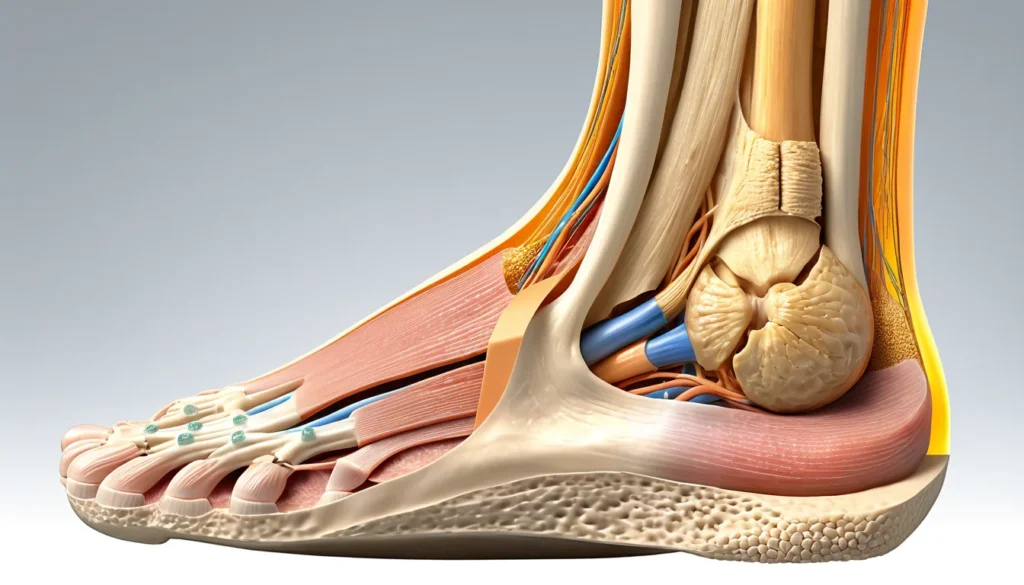
The Achilles tendon is the largest and strongest tendon in the human body. It connects your calf muscles to your heel bone, allowing you to walk, run, and stand on your toes. When it gets injured or ruptures, the pain can be sudden and severe — and recovery takes months. This article explains how the Achilles tendon works, what can go wrong, and what Canadian patients can expect from treatment and recovery.
What Is the Achilles Tendon?
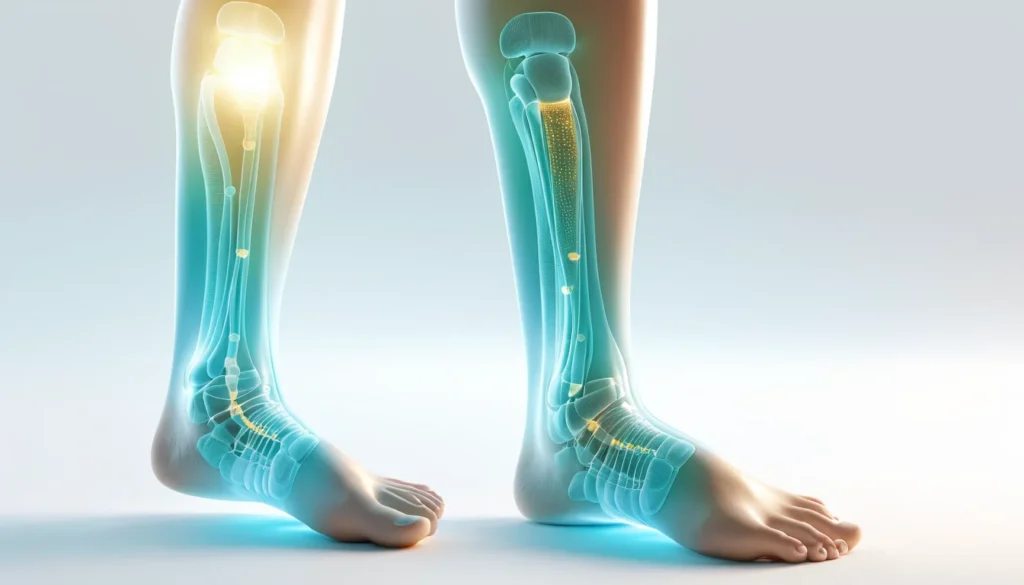
The Achilles tendon runs down the back of your lower leg. It links the triceps surae — the powerful muscle group in your calf — to your calcaneus, which is the heel bone. This connection is what lets your foot push off the ground when you walk or run.
Despite being only about 15 centimetres long, this tendon is remarkably tough. It can withstand a load of up to 400 kilograms. However, that strength does not make it invincible. Over time, or under sudden stress, the fibres inside can weaken or tear.
The Achilles tendon plays a key role in nearly every movement your foot makes. For example, every time you climb stairs, jog on a trail, or even stand up from a chair, this tendon is doing work. Without it functioning properly, basic movement becomes very difficult.
How the Achilles Tendon Works
The main job of the Achilles tendon is to produce what doctors call plantar flexion. This simply means pointing your foot downward — the motion you use to push off the ground when walking or running.
When your calf muscles contract, they pull on the Achilles tendon, which then pulls your heel upward. This is the mechanical action behind every step you take. In addition, the tendon helps absorb shock when your foot hits the ground.
Because this tendon handles so much repetitive force, it is prone to wear and tear over time. This is especially true for people who are physically active. Furthermore, tendons naturally receive less blood flow than muscles, which means they heal more slowly when injured.
Tendon Fibres and Degeneration
The Achilles tendon is made up of thousands of tiny collagen fibres bundled tightly together. These fibres give the tendon its incredible strength. However, with age or overuse, these fibres can begin to break down in a process called tendinous degeneration.
When degeneration occurs, the tendon becomes weaker and less elastic. As a result, even a normal amount of physical activity can put it at risk of injury. This is why many Achilles tendon ruptures happen in adults who are recreationally active rather than elite athletes — sometimes called “weekend warriors.”
Achilles Tendon Rupture: What Happens
An Achilles tendon rupture is a partial or complete tear of the tendon. It usually happens during a sudden, explosive movement — such as sprinting, jumping, or changing direction quickly. The injury is most common in adult men between the ages of 30 and 50.
In many cases, the tendon was already weakened by degeneration before the rupture occurred. Therefore, the rupture can happen even without extreme force. A misstep off a curb or a sudden lunge on a squash court can be enough to cause a full tear.
According to Mayo Clinic’s overview of Achilles tendon rupture, certain medications like fluoroquinolone antibiotics and corticosteroids can also raise the risk of rupture. It is worth discussing this with your family doctor if you are on long-term medication.
Signs and Symptoms of a Rupture
The symptoms of an Achilles tendon rupture are usually immediate and hard to ignore. Most people describe hearing or feeling a sudden “pop” at the back of their ankle. The pain is sharp and severe, and it arrives without warning.
After the rupture, you will likely notice the following:
Sudden, intense pain in the back of the heel or lower leg
Inability to walk normally or bear weight on the affected foot
Inability to stand on your toes on the injured side
A noticeable gap or dip in the skin just above the heel
Swelling and bruising around the ankle and heel
Feeling of weakness in the lower leg
Many people who rupture their Achilles tendon describe the sensation as being kicked hard in the back of the leg — even when nobody is near them. If you experience these symptoms, treat it as a medical emergency and seek care right away.
Diagnosis and Treatment in Canada
If you suspect an Achilles tendon injury, a doctor will usually diagnose it through a physical examination. One common test is called the Thompson test, where you lie face down and the doctor squeezes your calf muscle. If your foot does not move, the tendon is likely ruptured.
In some cases, an ultrasound or MRI may be ordered to confirm the diagnosis and see how severe the tear is. These imaging tests are available through most Canadian hospitals and referral centres, typically covered under your provincial health plan.
Non-Surgical Treatment
For many patients — particularly those who are less active or older — non-surgical treatment is the first option. This involves immobilising the ankle in a cast or walking boot for approximately two months. The goal is to let the torn tendon ends heal back together naturally.
During this time, the ankle is held in a position that reduces tension on the tendon. However, this approach does carry a slightly higher risk of re-rupture compared to surgery. Your doctor will help you weigh the risks and benefits based on your age, activity level, and overall health.
After the immobilisation period, physiotherapy is essential. A registered physiotherapist — accessible in most Canadian provinces with or without a referral — will guide you through exercises to rebuild strength and flexibility. Most non-surgical patients can return to light activity within four to six months.
Surgical Treatment
Surgery is often recommended for competitive athletes, younger active adults, or people who have had a previous rupture. During the procedure, a surgeon stitches the torn ends of the tendon back together. This approach generally results in a lower rate of re-rupture.
In addition, surgery may be considered if non-surgical treatment fails or if the gap between the tendon ends is too large to heal on its own. Recovery after surgery still requires immobilisation and physiotherapy, but return-to-sport timelines may be slightly shorter in some cases.
For more information on surgical options, Healthline’s guide to Achilles tendon rupture treatment provides a clear breakdown of both approaches.
Recovery and Rehabilitation
Recovering from an Achilles tendon rupture takes patience. Whether you had surgery or not, the general recovery timeline is similar. Most people begin gentle movement within a few weeks, but full recovery takes anywhere from four to twelve months depending on the severity of the injury.
Physiotherapy is the cornerstone of recovery. Your physiotherapist will build a graduated programme that starts with gentle range-of-motion exercises and progresses to strengthening, balance work, and eventually sport-specific training. Following this programme carefully reduces the risk of re-injury.
What to Expect During Recovery
Here is a general outline of the recovery stages:
Weeks 1–8: Ankle immobilised in a cast or boot; non-weight-bearing or partial weight-bearing with crutches
Weeks 8–12: Transition to a walking boot; begin physiotherapy with range-of-motion exercises
Months 3–4: Progressive strengthening of calf muscles and Achilles tendon
Months 4–6: Return to low-impact activity such as cycling or swimming
Months 6–12: Gradual return to running, sport, and full activity (varies by individual)
Furthermore, maintaining a healthy body weight during recovery reduces the load on the healing tendon. Nutrition also matters — adequate protein and vitamin C support collagen production, which is the building block of tendon fibre.
Preventing Re-Rupture
Once you have ruptured your Achilles tendon, the risk of injuring it again is real. Therefore, it is important not to rush your return to sport. Listen to your physiotherapist and avoid high-impact activities until you are fully cleared.
Wearing supportive footwear, warming up properly before exercise, and gradually increasing the intensity of your training can all help protect the tendon long-term. Health Canada’s physical activity resources offer practical guidance for staying active safely at every age.
When to See a Doctor
If you feel a sudden pop, sharp pain, or weakness in the back of your leg after physical activity, do not wait — see a medical professional as soon as possible. Prompt diagnosis leads to better outcomes, whether treatment is surgical or not.
In Canada, you have several options for getting care quickly. You can visit a walk-in clinic for an initial assessment if your family doctor is unavailable. If the pain is severe and you cannot walk, go to your nearest emergency department. Your family doctor can also provide a referral to an orthopaedic specialist or sports medicine physician if needed.
Even if you are not sure whether you have a full rupture or just a strain, it is always better to get it checked. A minor injury left untreated can worsen over time. Most provincial health plans cover the diagnostic imaging and specialist visits required for this type of injury, so cost should not be a barrier to seeking care.
Please speak with your family doctor or a qualified healthcare provider before making any decisions about treatment or returning to physical activity. Every person’s situation is different, and personalised medical advice is essential.
Frequently Asked Questions About the Achilles Tendon
How do I know if I ruptured my Achilles tendon?
A ruptured Achilles tendon usually causes sudden, severe pain at the back of the heel, often described as feeling like a kick or a pop. You will likely be unable to stand on your toes or walk normally on the affected foot. If you experience these symptoms, seek medical attention right away — at a walk-in clinic or emergency department.
Can an Achilles tendon rupture heal without surgery?
Yes, an Achilles tendon rupture can often heal without surgery, especially in older or less active patients. Non-surgical treatment involves immobilising the ankle in a cast or boot for about eight weeks, followed by physiotherapy. However, the risk of re-rupture may be slightly higher with non-surgical treatment, so your doctor will help you decide what is best for your situation.
How long does it take to recover from an Achilles tendon injury?
Recovery from an Achilles tendon rupture typically takes between four and twelve months, depending on the severity of the injury and whether surgery was performed. Most people can return to light activity within four to six months. Full return to competitive sport may take up to a year with proper rehabilitation.
What causes Achilles tendon problems?
Achilles tendon problems are often caused by overuse, sudden increases in physical activity, or age-related degeneration of the tendon fibres. Wearing improper footwear, tight calf muscles, and certain medications can also raise your risk. Recreational athletes — especially those in their 30s and 40s — are particularly vulnerable to sudden rupture.
Is Achilles tendon surgery covered by provincial health plans in Canada?
In most provinces, Achilles tendon surgery performed in a hospital setting is covered under your provincial health plan. Diagnostic imaging such as ultrasound and MRI is also typically covered when ordered by a physician. However, costs for physiotherapy and private clinics may vary, so check with your provincial health authority for details.
Can I prevent an Achilles tendon rupture?
While you cannot always prevent an Achilles tendon rupture, you can significantly reduce your risk. Always warm up before exercise, stretch your calf muscles regularly, increase training intensity gradually, and wear supportive footwear suited to your activity. If you notice persistent heel or calf pain, see your family doctor before it becomes a bigger problem.
Key Takeaways
The Achilles tendon is the largest tendon in the body, connecting the calf muscles to the heel bone.
It enables walking, running, and standing on your toes — and can withstand loads of up to 400 kilograms.
Ruptures usually happen during sudden, explosive movements and are most common in adults aged 30 to 50.
Symptoms include a sudden pop, severe heel pain, and inability to walk or stand on tiptoe.
Treatment options include immobilisation in a cast or boot (non-surgical) or surgery, followed by physiotherapy.
Most patients can return to sport within four to six months, though full recovery may take up to a year.
In Canada, most diagnostic and surgical care for this injury is covered under provincial health plans.
Always consult your family doctor, a walk-in clinic, or a sports medicine specialist if you suspect a tendon injury.