Acetylcholine is one of the most important chemical messengers in your body. It carries signals between nerve cells and helps control everything from your muscles to your memory. Understanding how acetylcholine works can help you make better choices for your brain and body health.
What Is Acetylcholine?
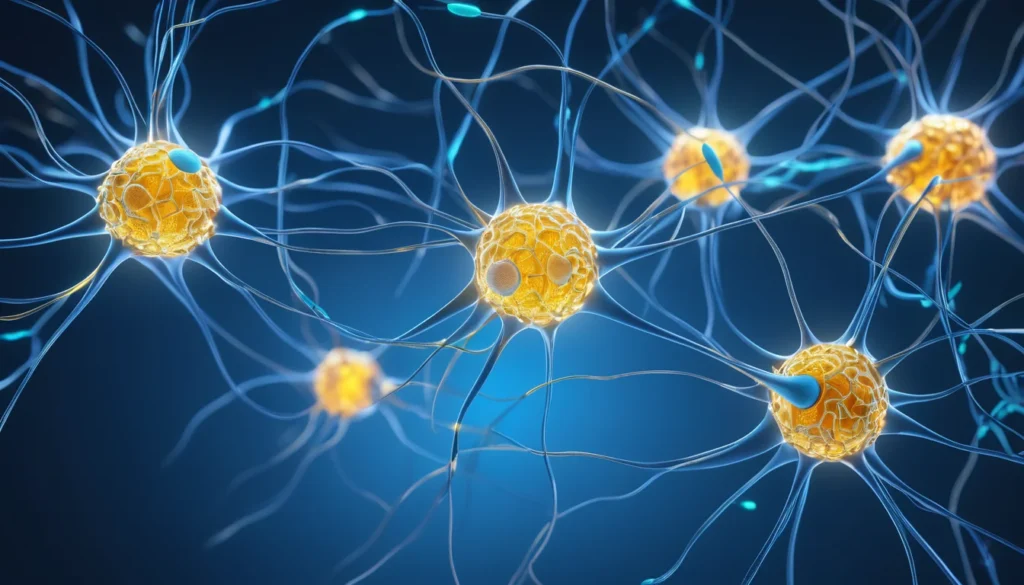
Acetylcholine is a neurotransmitter — a chemical that nerve cells use to communicate with each other. Your brain and nervous system rely on dozens of these chemical messengers to function properly. Acetylcholine was actually the first neurotransmitter ever discovered by scientists.
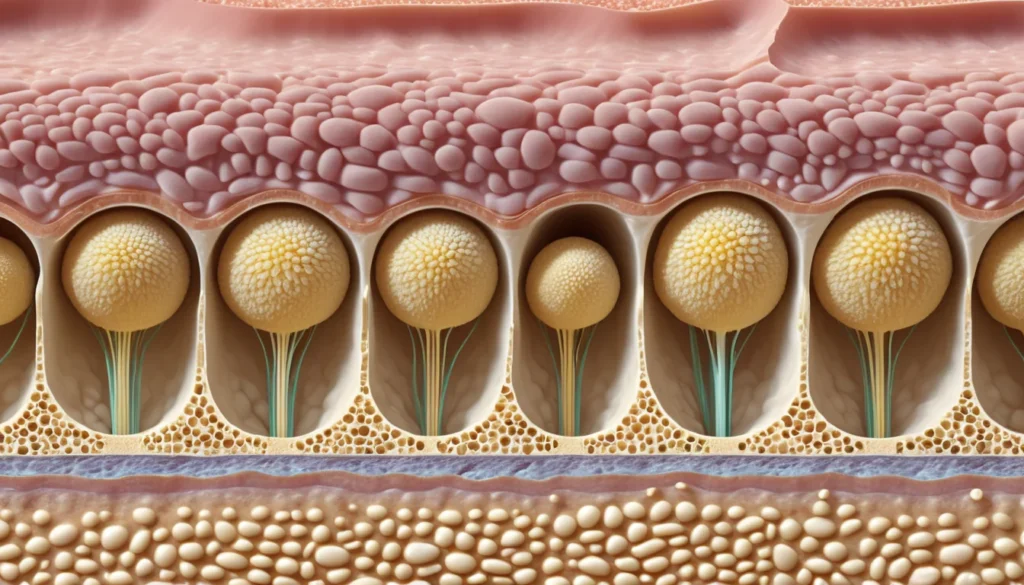
Your body produces acetylcholine from two basic building blocks: choline (a nutrient found in food) and acetyl-CoA (an energy molecule made inside your cells). Once produced, it is stored in tiny pouches at the tips of nerve fibres. When a nerve fires, acetylcholine is released into the gap between nerve cells, called the synapse.
After it delivers its message, acetylcholine is quickly broken down by an enzyme called acetylcholinesterase. This allows the nerve to reset and fire again. This process happens millions of times per second throughout your body. For more background on how neurotransmitters work, Healthline offers a helpful overview of acetylcholine and brain chemistry.
Where Does Acetylcholine Work in the Body?
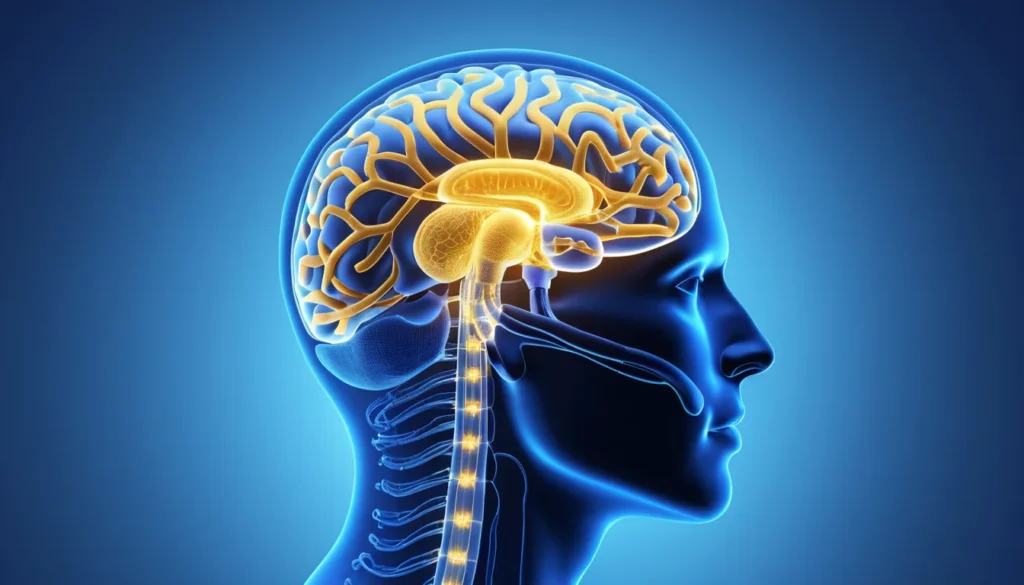
Acetylcholine acts in two main parts of your nervous system. These are the central nervous system (your brain and spinal cord) and the peripheral nervous system (the nerves throughout the rest of your body).
The Parasympathetic Nervous System
Acetylcholine is the primary neurotransmitter of your parasympathetic nervous system. This is the part of your nervous system that helps your body rest and recover. It slows your heart rate, stimulates digestion, and promotes a calm, relaxed state.
For example, after you eat a meal, acetylcholine signals your digestive organs to get to work. It triggers the release of digestive juices and moves food through your gut. This is why the parasympathetic nervous system is sometimes called the “rest and digest” system.
Neuromuscular Junctions
Acetylcholine also plays a key role at neuromuscular junctions. These are the points where nerve fibres meet muscle fibres. When your brain decides to move your arm or leg, it sends an electrical signal down a motor nerve. That nerve then releases acetylcholine onto the muscle, which causes it to contract.
Without acetylcholine, your muscles simply would not move. This is why certain toxins and medical conditions that block acetylcholine — such as botulinum toxin or myasthenia gravis — can cause muscle weakness or paralysis. Therefore, keeping this system healthy is essential for basic physical function.
Acetylcholine and Brain Health
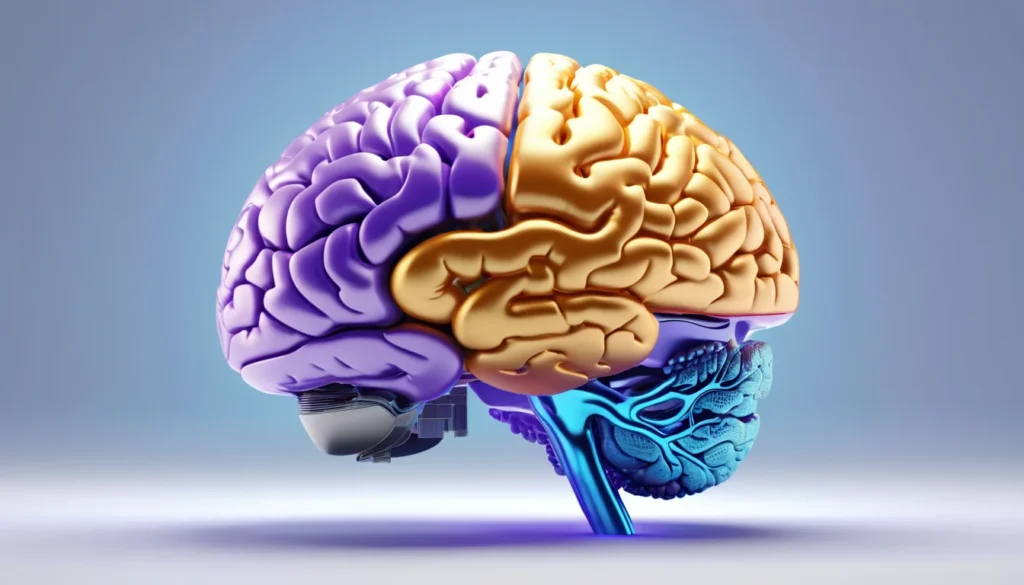
Inside the brain, acetylcholine plays a major role in learning, memory, and attention. Areas of the brain that depend heavily on acetylcholine include the hippocampus (where memories are formed) and the cortex (where thinking and decision-making happen).
Research shows that people with Alzheimer’s disease have much lower levels of acetylcholine in certain brain regions. In fact, some of the most commonly prescribed Alzheimer’s medications work by blocking the enzyme that breaks acetylcholine down. This helps keep more acetylcholine available in the brain for longer.
However, acetylcholine is not only important for older adults. In people of all ages, healthy acetylcholine levels support focus, alertness, and the ability to learn new information. Furthermore, acetylcholine is involved in regulating sleep, particularly the REM (rapid eye movement) stage where dreaming occurs. The Mayo Clinic explains how brain chemistry changes in Alzheimer’s disease, including the role of acetylcholine.
Acetylcholine and Mood
Some research also links acetylcholine to mood regulation. Higher-than-normal acetylcholine activity has been associated with symptoms of depression. On the other hand, very low activity may contribute to problems with focus and memory. As a result, balance is key — too much or too little can cause problems.
Scientists are still working to fully understand the relationship between acetylcholine and mental health. This remains an active area of research in Canada and around the world.
Conditions Linked to Acetylcholine Imbalance
Several health conditions are linked to problems with acetylcholine levels or activity. Knowing about these conditions can help you recognise symptoms early and seek care promptly.
Alzheimer’s Disease and Dementia
As mentioned above, a drop in acetylcholine is closely linked to Alzheimer’s disease. Symptoms include memory loss, confusion, and difficulty with everyday tasks. In Canada, over 500,000 people currently live with dementia, and this number is expected to grow as our population ages.
Myasthenia Gravis
Myasthenia gravis is an autoimmune condition where the body’s immune system attacks acetylcholine receptors at neuromuscular junctions. This leads to muscle weakness, drooping eyelids, double vision, and difficulty swallowing. It can affect people of any age, though it is more common in younger women and older men.
Treatment often involves medications that slow the breakdown of acetylcholine, helping more of it reach the damaged receptors. Most people with myasthenia gravis can manage their symptoms well with the right medical support.
Parkinson’s Disease
Parkinson’s disease mainly involves a loss of dopamine — another neurotransmitter. However, the balance between dopamine and acetylcholine in the brain also matters. When dopamine drops, acetylcholine activity becomes relatively too high in certain brain regions. This imbalance contributes to the tremors and stiffness seen in Parkinson’s disease.
Some older medications for Parkinson’s actually worked by blocking acetylcholine. However, newer treatments focus more directly on replacing dopamine. Therefore, treatment approaches continue to evolve as research advances.
Pesticide Poisoning
Certain pesticides, called organophosphates, work by blocking the enzyme that breaks down acetylcholine. This causes acetylcholine to build up to dangerous levels. Symptoms include sweating, muscle weakness, vomiting, and in severe cases, breathing failure. This type of poisoning requires immediate emergency care.
How to Support Healthy Acetylcholine Levels Naturally
While no supplement can replace medical treatment for serious conditions, certain lifestyle choices may help support healthy acetylcholine levels. These steps are generally good for overall brain and body health.
Eat Choline-Rich Foods
Choline is the main building block your body uses to make acetylcholine. Good dietary sources of choline include eggs, beef liver, salmon, chicken, dairy products, and certain beans. Many Canadians do not get enough choline in their diet, so it is worth paying attention to your intake.
In addition, foods rich in B vitamins — particularly B5 (pantothenic acid) — support the production of acetyl-CoA, the other ingredient your body needs. Whole grains, legumes, and leafy greens are excellent choices. Eating a balanced, fibre-rich diet supports your nervous system in many ways.
Stay Physically Active
Regular physical activity supports brain health broadly, including neurotransmitter balance. Exercise increases blood flow to the brain and encourages the growth of new nerve connections. Even a 30-minute walk several times per week can make a meaningful difference.
Prioritise Sleep
Acetylcholine is heavily involved in REM sleep. Getting 7–9 hours of quality sleep each night allows your nervous system to reset and your brain to consolidate memories. Poor sleep over time may negatively affect neurotransmitter balance, including acetylcholine activity.
Challenge Your Brain
Mental stimulation — such as reading, learning a new skill, or solving puzzles — encourages acetylcholine release in the brain. This helps maintain the nerve pathways involved in memory and learning. Many experts recommend lifelong learning as one of the best ways to protect brain health as you age. Health Canada provides guidance on healthy living and brain wellness for Canadians at every age.
When to See a Doctor
You should speak with a healthcare provider if you notice any symptoms that might be linked to acetylcholine problems. These include unexplained muscle weakness, memory changes, difficulty concentrating, or drooping eyelids. These symptoms can have many causes, and a proper diagnosis is important.
In Canada, your first step should be to contact your family doctor. They can assess your symptoms, order appropriate tests, and refer you to a specialist if needed. If you do not have a family doctor, a walk-in clinic is a good option for an initial assessment. Many provinces also offer health phone lines — such as Health811 in Ontario or 8-1-1 in British Columbia — where a registered nurse can help you decide on next steps.
If you experience sudden severe muscle weakness, difficulty breathing, or signs of pesticide exposure, go to your nearest emergency room immediately. These situations require urgent medical attention and should not wait.
Always talk to your doctor before starting any new supplement, including choline supplements. While these are generally considered safe, they may not be appropriate for everyone and can interact with certain medications.
Frequently Asked Questions
What does acetylcholine do in the brain?
Acetylcholine acts as a chemical messenger that supports memory, learning, and attention in the brain. It is especially active in areas like the hippocampus, which forms new memories. Low acetylcholine levels in the brain are linked to conditions like Alzheimer’s disease.
What happens when acetylcholine levels are too low?
Low acetylcholine levels can lead to problems with memory, focus, and muscle control. In the brain, this is strongly associated with Alzheimer’s disease and cognitive decline. At neuromuscular junctions, low acetylcholine activity can cause muscle weakness, as seen in myasthenia gravis.
What foods help increase acetylcholine?
Your body makes acetylcholine from choline, a nutrient found in foods like eggs, beef liver, salmon, chicken, and legumes. Eating a diet rich in these foods may help support healthy acetylcholine production. B vitamins, found in whole grains and leafy greens, also support this process.
Is acetylcholine the same as choline?
No — choline is a nutrient you get from food, while acetylcholine is a neurotransmitter your body makes using choline as a raw material. Think of choline as an ingredient and acetylcholine as the finished product. Getting enough choline in your diet supports your body’s ability to produce acetylcholine.
Can you take acetylcholine as a supplement?
Acetylcholine itself is not available as a direct supplement because it cannot cross the blood-brain barrier when taken orally. However, some supplements — such as choline, Alpha-GPC, or CDP-choline — may support acetylcholine production in the body. Always speak with your doctor before starting any new supplement.
What diseases are caused by problems with acetylcholine?
Several conditions are linked to acetylcholine imbalances, including Alzheimer’s disease, myasthenia gravis, and Parkinson’s disease. Organophosphate pesticide poisoning also disrupts acetylcholine activity and can be life-threatening. If you suspect any of these conditions, it is important to see a doctor promptly.
Key Takeaways
Acetylcholine is a neurotransmitter that carries signals between nerve cells throughout your body.
It controls muscle movement at neuromuscular junctions and supports the parasympathetic nervous system.
In the brain, acetylcholine is essential for memory, learning, and attention.
Low acetylcholine is linked to Alzheimer’s disease; imbalances are also connected to myasthenia gravis and Parkinson’s disease.
Eating choline-rich foods, staying active, sleeping well, and challenging your brain may help support healthy acetylcholine levels.
If you notice muscle weakness, memory changes, or other neurological symptoms, speak with your family doctor or visit a walk-in clinic.
Always consult a healthcare professional before making changes to your diet or starting new supplements.