Acephaly is one of the rarest and most severe birth defects known to medicine. It is a congenital condition in which a baby is born without a head. This article explains what acephaly is, what causes it, how it is detected during pregnancy, and what support is available for families in Canada who receive this diagnosis.
What Is Acephaly?
Acephaly comes from the Greek words meaning “without a head.” It describes a congenital malformation where the entire head, including the skull and brain, is absent at birth. This condition is always fatal, meaning a baby cannot survive outside the womb with this defect.
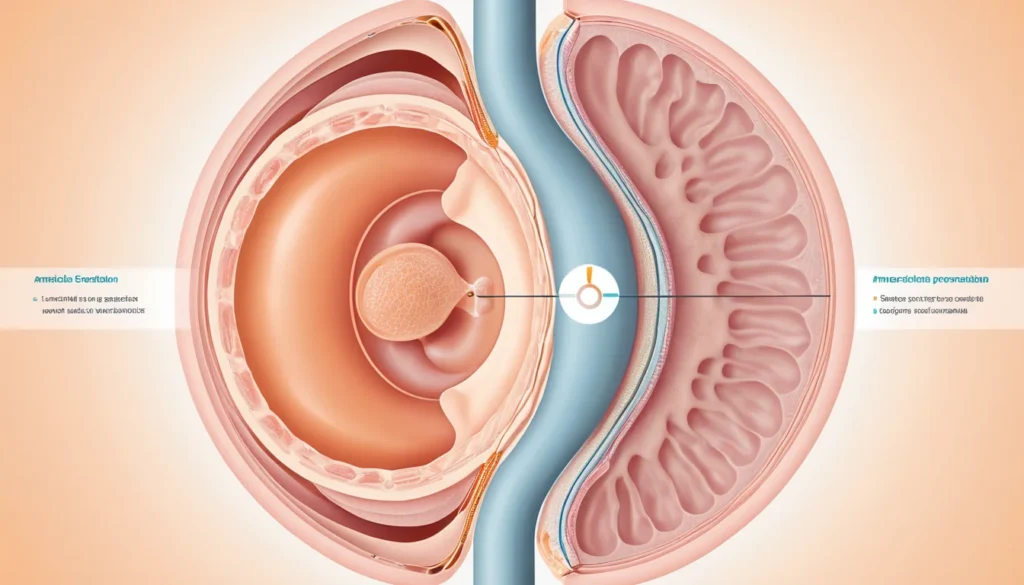
Acephaly is considered a form of neural tube defect. Neural tube defects happen when the neural tube — the structure that develops into the brain and spinal cord — does not form correctly in the early weeks of pregnancy. However, acephaly is far more extreme than most neural tube defects.
This condition is extremely rare. It occurs in only a very small number of pregnancies worldwide. Because it is so uncommon, large-scale studies on acephaly are limited. Most of what doctors know comes from individual case reports and observations made during prenatal imaging.
Acephaly vs. Anencephaly: Understanding the Difference
Many people confuse acephaly with anencephaly. While both are severe neural tube defects, they are not the same condition. It is important to understand the difference.
Anencephaly is the absence of a large part of the brain and skull. Babies with anencephaly may still have a face and partial skull formation. Acephaly, on the other hand, involves the complete absence of the head structure altogether.
Furthermore, acephaly is sometimes seen in a rare phenomenon called acardia, which occurs only in identical twin pregnancies. In this situation, one twin develops without a head and often without a heart as well. This is called an acardiac acephalic twin. The surviving twin pumps blood for both, which puts it at serious risk. This specific condition is also known as twin reversed arterial perfusion (TRAP) sequence, as described by Mayo Clinic.
What Causes Acephaly?
The exact cause of acephaly is not fully understood. Researchers believe it results from a failure in very early fetal development — typically within the first few weeks after conception. At this stage, the neural tube should be forming and closing properly.
Several factors may contribute to abnormal neural tube development, including:
Nutritional deficiencies, particularly low folic acid (folate) levels before and during early pregnancy
Genetic mutations or chromosomal abnormalities
Exposure to certain medications or environmental toxins during pregnancy
Poorly controlled diabetes in the mother before and during pregnancy
Certain viral infections during early pregnancy
However, in many cases of acephaly, no clear cause is ever identified. This can be deeply distressing for families. It is important to know that acephaly is not caused by anything a parent did or did not do. It is a random and unpredictable developmental failure.
The Role of Folic Acid
Folic acid plays a key role in preventing neural tube defects. Health Canada recommends that all people who could become pregnant take a daily supplement containing at least 0.4 mg of folic acid. This should begin at least three months before conception and continue through the first trimester.
Taking folic acid has been shown to reduce the risk of many neural tube defects significantly. For those with a family history of neural tube defects, a higher dose of 4 mg per day may be recommended. Always speak with your family doctor about the right dose for your situation. You can also review guidance from Health Canada on folic acid and pregnancy.
How Is Acephaly Detected During Pregnancy?
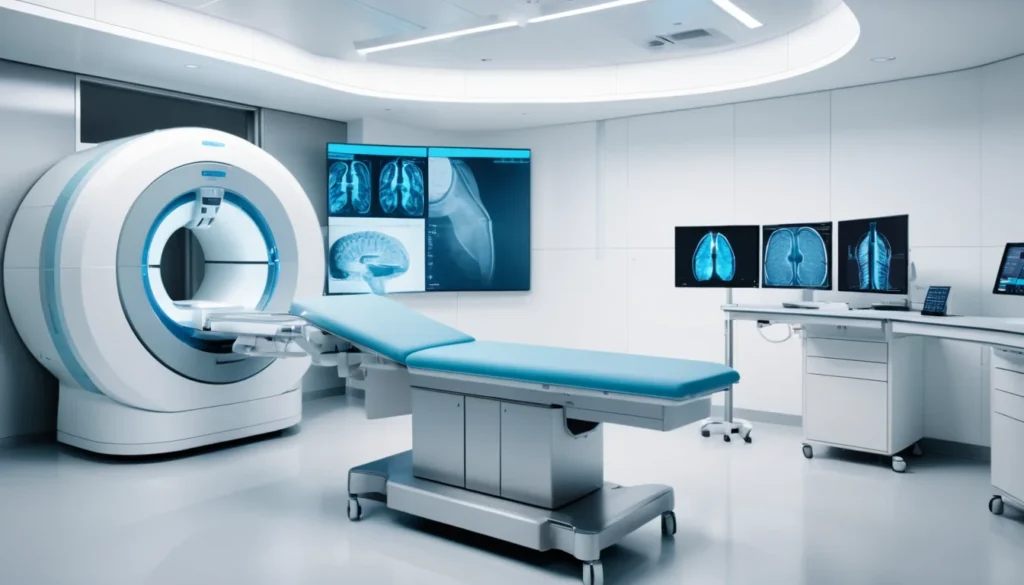
Acephaly is typically detected during routine prenatal ultrasound. In Canada, most pregnant people receive at least one ultrasound between 18 and 22 weeks of pregnancy. This is known as the anatomy scan or mid-pregnancy ultrasound.
During this scan, a sonographer checks the development of all major organs and structures, including the head and brain. The absence of a head is immediately visible on ultrasound. As a result, acephaly is almost always diagnosed before birth.
In some cases, especially in twin pregnancies where TRAP sequence is suspected, earlier and more detailed imaging may be used. This can include a higher-resolution ultrasound or MRI. Your obstetric care team will guide you through the appropriate steps.
What Happens After Diagnosis?
Receiving a diagnosis of acephaly during pregnancy is an enormous shock. After the diagnosis is confirmed, your healthcare team will offer detailed counselling and support. You will be referred to a maternal-fetal medicine specialist — also called a perinatologist — who has advanced training in high-risk pregnancies.
Your care team will explain your options clearly and compassionately. Because acephaly is not compatible with life, the conversation will include options for the remainder of the pregnancy, birth planning, and emotional support resources. Every family’s circumstances and values are different, and your healthcare team is there to support you without judgment.
Living With the Diagnosis: Support for Canadian Families
A diagnosis of acephaly is devastating. Grief, confusion, guilt, and anger are all completely normal responses. Canadian families facing this diagnosis are not alone, and a range of support is available through the healthcare system.
Your family doctor or obstetrician can connect you with:
Genetic counsellors who can help explain what happened and whether future pregnancies may be affected
Social workers within the hospital setting
Mental health professionals, including therapists who specialize in pregnancy loss and perinatal grief
Peer support groups for families who have experienced pregnancy loss or fetal anomaly diagnoses
Chaplaincy or spiritual care services, if that is something your family values
Provincial health plans across Canada generally cover genetic counselling and mental health referrals related to pregnancy complications. Ask your family doctor or midwife about what is covered under your provincial plan.
Grieving After Pregnancy Loss
Grief after a diagnosis like acephaly is real and valid, regardless of how early in the pregnancy it occurs. Many parents describe feeling isolated because others around them may not fully understand the depth of the loss. Reaching out to a counsellor or a peer support group can make a meaningful difference.
Organizations such as the Pregnancy and Infant Loss Network (PAIL) in Ontario offer compassionate support for Canadian families. Similar organizations exist across the country. Your hospital’s social work team can help connect you with local resources.
Can Acephaly Be Prevented?
Because the exact cause of acephaly is often unknown, it is not always possible to prevent it. However, there are steps that can reduce the overall risk of neural tube defects in general.
These steps include:
Taking folic acid before and during early pregnancy, as recommended by Health Canada
Managing chronic health conditions like diabetes before becoming pregnant
Avoiding alcohol, tobacco, and recreational drugs during pregnancy
Discussing any medications you take with your doctor before trying to conceive, as some drugs can increase neural tube defect risk
Attending all recommended prenatal appointments so any concerns can be caught early
According to the World Health Organization (WHO), folic acid supplementation is one of the most effective public health measures for reducing the burden of neural tube defects globally. Even so, no preventive measure can guarantee that a neural tube defect will not occur.
When to See a Doctor
If you are pregnant or planning to become pregnant, speak with your family doctor or midwife as early as possible. Early prenatal care is the best way to monitor fetal development and catch any concerns promptly.
You should contact your family doctor or a walk-in clinic if:
You have not yet had a prenatal appointment and are pregnant
You have a personal or family history of neural tube defects and are planning a pregnancy
You have received an abnormal result from a prenatal screening test and want guidance
You are struggling emotionally after a pregnancy loss or difficult prenatal diagnosis
If you do not have a family doctor, a walk-in clinic can provide a referral to an obstetrician or midwife. In some provinces, you can also self-refer to a midwife directly. Always consult a qualified healthcare provider for advice specific to your situation — this article is for general information only and does not replace professional medical guidance.
Frequently Asked Questions About Acephaly
What is acephaly in simple terms?
Acephaly is a very rare birth defect where a baby is born without a head. It is a congenital condition, meaning it is present from the time of conception. Acephaly is always fatal and is not compatible with life outside the womb.
How common is acephaly?
Acephaly is extremely rare, occurring in only a tiny fraction of pregnancies worldwide. Because it is so uncommon, exact statistics are difficult to determine. Most reported cases of acephaly occur in the context of a rare twin pregnancy complication called TRAP sequence.
Can acephaly be detected before birth?
Yes, acephaly can almost always be detected during routine prenatal ultrasound. In Canada, the anatomy scan performed between 18 and 22 weeks of pregnancy would clearly show the absence of a head. Early detection allows families to receive counselling and make informed decisions about their care.
Is acephaly the same as anencephaly?
No, acephaly and anencephaly are different conditions. Anencephaly involves the absence of a large part of the brain and skull, but some facial and skull structures may still be present. Acephaly refers to the complete absence of the entire head structure and is considered more severe.
What causes acephaly during pregnancy?
The exact cause of acephaly is often unknown. It is believed to result from a failure in neural tube development during the very first weeks of pregnancy. Factors such as folic acid deficiency, genetic abnormalities, and certain infections or medications may increase the risk of neural tube defects in general.
What support is available in Canada after an acephaly diagnosis?
Canadian families who receive a diagnosis of acephaly can access support through their provincial healthcare system, including genetic counselling, social work, and mental health services. Organizations like the Pregnancy and Infant Loss Network (PAIL) also offer peer support for bereaved families. Your family doctor or obstetrician can help connect you with the right resources in your province.
Key Takeaways
Acephaly is a very rare congenital defect in which a baby is born without a head.
It is always fatal and is not compatible with life outside the womb.
Acephaly is most commonly seen in twin pregnancies affected by a condition called TRAP sequence.
It is typically detected during routine prenatal ultrasound in Canada.
The exact cause is often unknown, but folic acid deficiency and genetic factors may play a role.
Taking folic acid before and during early pregnancy can reduce the risk of neural tube defects overall.
Canadian families facing this diagnosis have access to genetic counselling, mental health support, and peer networks through provincial health plans.
Always speak with your family doctor, midwife, or a walk-in clinic provider for personalized medical advice.