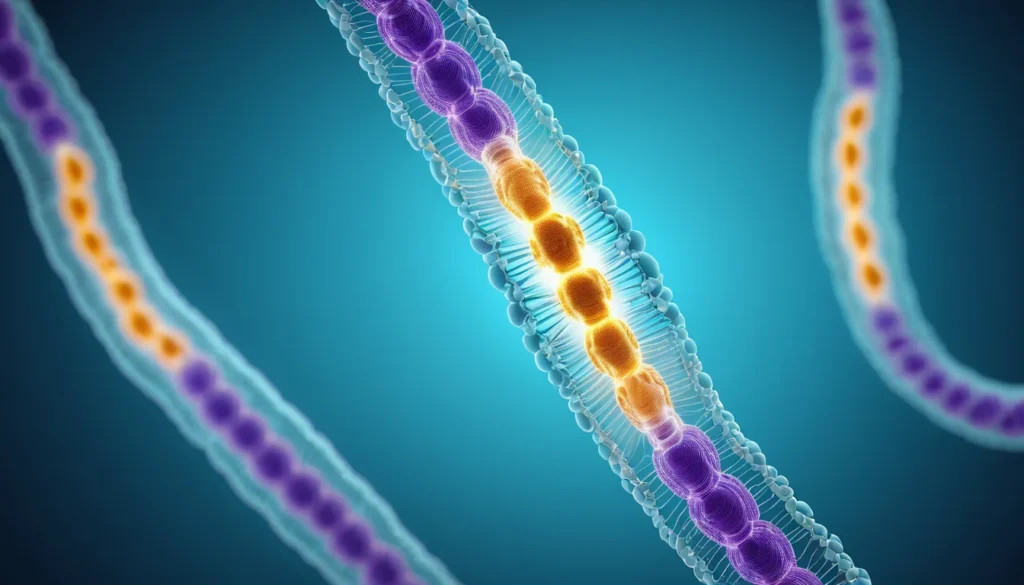
An acentric chromosome is a chromosome that is missing its centromere — the region that holds a chromosome together and guides it during cell division. Without a centromere, the chromosome cannot move properly when cells divide. This can lead to genetic instability and, in some cases, health problems. In this article, we explain what an acentric chromosome is, why it matters, and what Canadians should know about genetic health.
What Is an Acentric Chromosome?
To understand an acentric chromosome, it helps to first understand how normal chromosomes work. Chromosomes are thread-like structures found inside almost every cell in your body. They carry your DNA — the genetic instructions that make you who you are.
Every healthy chromosome has a region called the centromere. The centromere acts like an anchor point. During cell division, the centromere connects to a structure called the spindle, which pulls chromosomes to opposite sides of the dividing cell.
When a chromosome is acentric, it has no centromere at all. As a result, the chromosome cannot attach to the spindle. It floats freely during cell division and often gets lost or broken. This can cause errors in how genetic material is passed from one cell to the next.
How Does an Acentric Chromosome Form?
Acentric chromosomes usually form when a chromosome breaks. A break near or within the centromere can produce two fragments. One fragment may keep the centromere. The other fragment — the acentric piece — has none.
These breaks can happen for several reasons. Exposure to radiation, certain chemicals, or errors during DNA replication can all cause chromosomal breaks. In some cases, acentric chromosomes appear during cancer development, when DNA damage is widespread.
In addition, some acentric chromosomes form during normal genetic processes that go wrong. For example, during the formation of eggs or sperm, chromosomes sometimes break and rejoin incorrectly. This can produce acentric fragments that are passed on to a child.
Are Acentric Chromosomes Inherited?
In most cases, acentric chromosomes are not inherited in the traditional sense. Because they lack a centromere, they are typically lost during cell division and do not survive to be passed on. However, in some rare situations, acentric fragments can be stabilised by attaching to other chromosomes. In these cases, they may be passed from parent to child.
Researchers are still studying exactly how this happens. Health Canada supports ongoing research into genetic conditions that affect Canadians. Advances in genetic testing have made it easier to detect these rare chromosomal abnormalities.
Why the Centromere Matters So Much
The centromere is one of the most important parts of a chromosome. Without it, a chromosome simply cannot function properly during cell division. Think of it like a handle on a piece of luggage. Without the handle, you cannot grab the bag and move it where it needs to go.
When a cell divides, it must copy all of its chromosomes and distribute them evenly to two new cells. Each new cell should receive one complete set of chromosomes. If an acentric chromosome is present, this process breaks down. The acentric fragment may end up in the wrong cell, or it may be left out entirely.
Furthermore, when chromosomes are lost or misplaced, cells may receive the wrong number of chromosomes. This is called aneuploidy. Aneuploidy is linked to a number of health conditions, including certain cancers and developmental disorders.
The Role of the Centromere in Cancer
Scientists have found acentric chromosomes in many types of cancer cells. Cancer cells often have unstable DNA, and chromosomal breaks are common. As a result, acentric fragments appear more often in cancer than in healthy tissue.
Acentric chromosomes can make cancer cells more genetically unstable. This instability may help cancer cells evolve and resist treatment. Researchers are studying whether detecting acentric chromosomes could help predict how aggressive a cancer might be. According to Mayo Clinic, chromosomal instability is a key feature of many cancers.
How Are Acentric Chromosomes Detected?
Detecting an acentric chromosome requires specialised genetic testing. A standard blood test will not reveal chromosomal abnormalities. Instead, doctors use specific laboratory techniques to examine chromosomes in detail.
One common method is called a karyotype test. In this test, a laboratory technician stains chromosomes and photographs them under a microscope. The technician then arranges the chromosomes in pairs and looks for abnormalities. An acentric fragment would appear as a chromosome piece without the usual centromere banding pattern.
More advanced techniques include fluorescence in situ hybridisation (FISH) and comparative genomic hybridisation (CGH). These methods use fluorescent markers to highlight specific parts of chromosomes. They can detect even very small acentric fragments that a standard karyotype might miss.
Who Gets Tested for Chromosomal Abnormalities in Canada?
In Canada, chromosomal testing is typically ordered when there is a specific medical reason. Your family doctor may refer you for genetic testing if you have a personal or family history of chromosomal conditions. Genetic testing is also offered during pregnancy through provincial prenatal screening programmes.
Each province and territory manages its own health plan, so the tests available to you may vary depending on where you live. In Ontario, for example, prenatal screening for chromosomal abnormalities is covered under OHIP. Other provinces have similar programmes through their provincial health plans. Ask your family doctor what is covered in your province.
What Health Conditions Are Linked to Acentric Chromosomes?
Acentric chromosomes on their own are not a diagnosis. They are a chromosomal finding that can be associated with a range of health conditions. The impact depends on which chromosome is affected and how much genetic material is lost.
In some cases, the presence of acentric fragments causes no noticeable symptoms. The fragments are simply lost during cell division and have little effect. In other cases, the loss of genetic material can cause developmental delays, intellectual disabilities, or physical health problems.
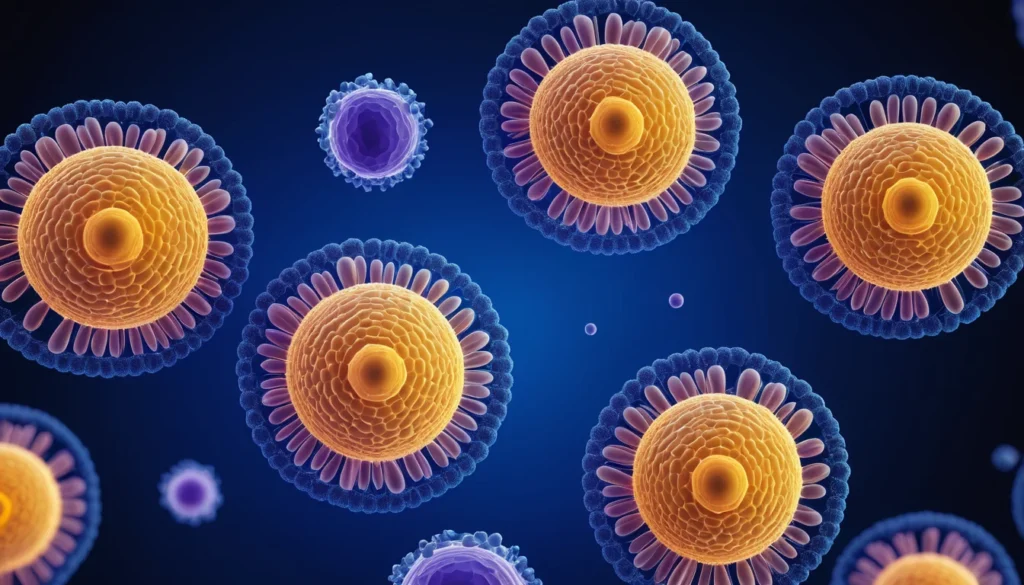
Acentric chromosomes are also found in micronuclei — small, extra nuclear bodies that form inside cells. Micronuclei are a sign of DNA damage and are studied as markers of genetic instability. High levels of micronuclei in a person’s cells have been linked to increased cancer risk.
Acentric Chromosomes and Developmental Conditions
When an acentric fragment forms during early development, it can affect how the body grows. If important genes are located on the lost fragment, the developing embryo may not receive the genetic instructions it needs. This can lead to conditions that affect physical development, organ function, or brain development.
However, it is important to note that many chromosomal abnormalities are detected before or shortly after birth. Early detection gives families and healthcare providers time to plan appropriate support and care. Genetic counsellors can help families understand what a specific chromosomal finding means for their child’s health and development.
Genetic Counselling in Canada
If you or a family member has been told that a chromosomal abnormality has been found, genetic counselling is a valuable next step. A genetic counsellor is a healthcare professional trained to help people understand genetic test results. They can explain what a finding like an acentric chromosome means in plain language.
Genetic counsellors work in hospitals, fertility clinics, and cancer centres across Canada. Many provincial health plans cover genetic counselling when it is medically necessary. Your family doctor can provide a referral to a genetic counsellor in your area.
According to Healthline, genetic counselling helps people make informed decisions about their health and family planning. It is a supportive, non-judgmental process. You do not need to already have a genetic condition to benefit from speaking with a genetic counsellor.
What to Expect from a Genetic Counselling Appointment
At your first appointment, the genetic counsellor will review your personal and family medical history. They may ask about health conditions in your parents, siblings, or children. This information helps them assess your risk and decide whether further testing is needed.
If testing is recommended, the counsellor will explain what the test involves and what the results might mean. They will also support you emotionally, because receiving genetic information can feel overwhelming. You are encouraged to bring a family member or support person to your appointment.
When to See a Doctor
You do not need to wait for a specific symptom to talk to your doctor about genetic health. If you have a family history of chromosomal conditions, developmental disorders, or certain cancers, it is worth having a conversation with your family doctor.
If you are pregnant or planning a pregnancy and have concerns about chromosomal abnormalities, speak with your doctor or midwife early. Prenatal screening options are available through your provincial health plan, and your healthcare provider can walk you through your choices.
If you have already received a genetic test result that mentions an acentric chromosome or another chromosomal abnormality, do not try to interpret it on your own. Book an appointment with your family doctor as soon as possible. They can refer you to a geneticist or genetic counsellor for expert guidance.
If you do not have a family doctor, a walk-in clinic can help as a first step. The clinic doctor can review your concerns and provide a referral if needed. Many walk-in clinics across Canada are equipped to handle initial genetic health inquiries.
Always consult a qualified healthcare provider before making any decisions based on genetic information. This article is for general information only and does not replace professional medical advice.
Frequently Asked Questions About Acentric Chromosomes
What is an acentric chromosome?
An acentric chromosome is a chromosome that is missing its centromere, the central region that guides the chromosome during cell division. Without a centromere, the chromosome cannot move correctly when a cell divides. As a result, it is often lost or broken, which can cause genetic errors.
Can an acentric chromosome cause health problems?
Yes, an acentric chromosome can cause health problems depending on which genes are lost along with it. In some cases, there are no noticeable effects. In others, the loss of genetic material can lead to developmental delays, intellectual disabilities, or an increased risk of certain cancers.
How is an acentric chromosome detected?
An acentric chromosome is detected through specialised genetic testing, such as a karyotype, FISH, or comparative genomic hybridisation (CGH). These tests examine chromosomes in detail under laboratory conditions. Your doctor or genetic counsellor can order these tests if they are medically appropriate for you.
Is an acentric chromosome the same as a chromosomal deletion?
They are related but not the same thing. A chromosomal deletion means a segment of DNA is missing from a chromosome. An acentric chromosome specifically refers to a chromosome fragment that has lost its centromere. However, the formation of an acentric fragment often results in a deletion, since the lost fragment carries genes that are no longer present.
Can I get genetic testing for chromosomal abnormalities in Canada?
Yes, genetic testing for chromosomal abnormalities is available across Canada through hospitals, genetics clinics, and prenatal screening programmes. Coverage varies by province, so it is best to speak with your family doctor about what is available under your provincial health plan. A referral to a genetic counsellor can also help you navigate your options.
Are acentric chromosomes linked to cancer?
Yes, researchers have found acentric chromosomes in many types of cancer cells. They are a sign of chromosomal instability, which is common in cancer. Scientists are studying whether the presence of acentric fragments could be used as a marker to help understand how aggressive a cancer may be.
Key Takeaways
An acentric chromosome is a chromosome that is missing its centromere, the region that guides it during cell division.
Without a centromere, a chromosome cannot move correctly when cells divide, and it is often lost or damaged.
Acentric chromosomes can form due to radiation, chemical exposure, or errors during DNA replication or cell division.
They are commonly found in cancer cells and are a sign of genetic instability.
Detection requires specialised genetic testing, such as a karyotype, FISH, or CGH analysis.
In Canada, genetic testing and counselling are available through hospitals and provincial health programmes.
If you have concerns about chromosomal abnormalities, speak with your family doctor or visit a walk-in clinic for a referral.
Always consult a qualified healthcare professional for advice about your specific genetic health needs.