The accessory nerve is the eleventh of twelve cranial nerves in the human body. It plays a vital role in controlling key muscles in your neck and shoulders. Without it, everyday movements like turning your head or shrugging your shoulders would be difficult or impossible. This article explains what the accessory nerve does, how it can be damaged, and what symptoms to watch for.
What Is the Accessory Nerve?
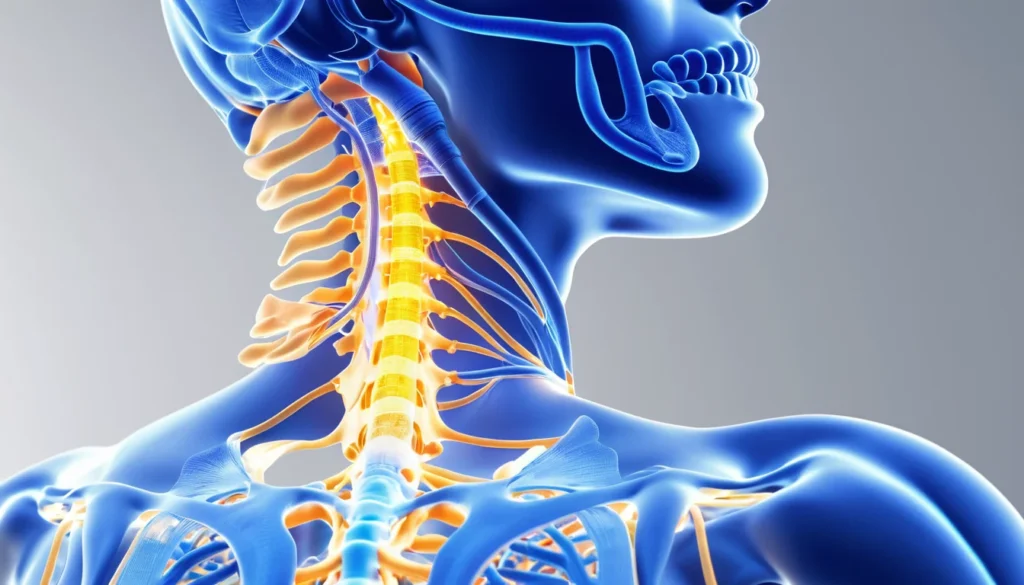
The accessory nerve is also called cranial nerve XI (eleven). It is one of the twelve pairs of nerves that connect directly to the brain rather than through the spinal cord. Most cranial nerves handle functions in your face and head. However, the accessory nerve is unique because it also travels down into the neck and upper back.
In fact, doctors sometimes call it the “spinal accessory nerve.” This is because part of it originates from the upper spinal cord, not just the brain. This dual origin makes it different from almost every other cranial nerve. Learn more about neck nerve conditions at Mayo Clinic.
What Does the Accessory Nerve Control?
The accessory nerve controls two important muscles. These are the sternocleidomastoid and the trapezius. Understanding what these muscles do helps explain why this nerve matters so much.
The Sternocleidomastoid Muscle
This is the large muscle that runs along the side of your neck. It helps you turn your head from side to side. It also helps you tilt your head and flex your neck forward. You can feel it easily when you turn your head against resistance.
The Trapezius Muscle
The trapezius is a large, flat muscle in your upper back and shoulders. It helps you shrug your shoulders, pull your shoulder blades together, and lift your arms above your head. Therefore, any damage to the accessory nerve can seriously affect your shoulder movement and posture. Poor trapezius function can also lead to long-term neck and back pain.
How Can the Accessory Nerve Be Damaged?
Accessory nerve damage is more common than many people realize. It can happen in several ways, ranging from surgery to physical injury. Knowing the causes helps you understand your risk.
Surgical Injury
One of the most common causes of accessory nerve damage is surgery on the neck. Procedures like lymph node removal or neck dissection for cancer treatment can stretch or cut this nerve. Surgeons work carefully to avoid it, but the nerve’s location in the neck makes it vulnerable. If you are scheduled for neck surgery, ask your surgeon about nerve preservation.
Physical Trauma
A direct blow to the neck or shoulder can injure the accessory nerve. For example, a sports injury, a car accident, or a fall can cause damage. In addition, heavy backpack straps worn repeatedly over time have been linked to accessory nerve irritation. This is worth knowing for students and outdoor enthusiasts across Canada.
Neck Procedures and Injections
Sometimes, medical procedures like a cervical lymph node biopsy can accidentally affect this nerve. However, this is relatively rare when performed by an experienced provider. Furthermore, certain types of neck injections can occasionally irritate nearby nerve tissue. Always discuss the risks of any procedure with your healthcare provider.
Spontaneous or Unknown Causes
In some cases, the accessory nerve becomes damaged without a clear cause. This is sometimes linked to viral infections or inflammatory conditions. As a result, the nerve may become inflamed and stop working properly. Doctors call this idiopathic accessory nerve palsy.
Symptoms of Accessory Nerve Damage
The symptoms of accessory nerve damage are often noticeable and affect daily life. They tend to appear on one side of the body, depending on which nerve is injured. Recognizing these signs early can lead to faster treatment. Explore a detailed body map of the accessory nerve at Healthline.
Shoulder and Neck Symptoms
The most common sign is weakness or drooping of the shoulder. You may notice that one shoulder sits lower than the other. Lifting your arm above shoulder height may become painful or difficult. In addition, you may experience a dull, aching pain around the shoulder blade.
Muscle Wasting
Over time, the trapezius muscle may shrink if it is not receiving proper nerve signals. This is called muscle atrophy. The shoulder may look flatter or sunken compared to the other side. Your posture may also be affected, causing neck and upper back strain.
Limited Head Movement
If the sternocleidomastoid muscle is affected, turning your head may become harder. You may feel stiffness or weakness when rotating your neck. However, isolated sternocleidomastoid weakness is less common than trapezius weakness in accessory nerve injuries.
Pain and Discomfort
Many people with accessory nerve damage experience chronic shoulder or neck pain. The pain can range from mild to severe. As a result, it may interfere with work, sleep, and physical activity. Some people also notice a heavy or dragging sensation in the arm.
How Is Accessory Nerve Damage Diagnosed?
Diagnosing accessory nerve damage usually starts with a physical examination. Your doctor will check your shoulder height, muscle strength, and range of motion. They will ask you to perform simple movements like shrugging your shoulders or turning your head.
Nerve Conduction and Imaging Tests
Your doctor may order an electromyography (EMG) test. This test measures electrical activity in your muscles to detect nerve damage. Furthermore, imaging tests like an MRI or ultrasound can help identify swelling, compression, or structural changes near the nerve. These tests help your doctor plan the right treatment.
Medical History Review
Your doctor will ask about recent surgeries, injuries, or illnesses. They will also ask about your occupation and physical activities. For example, jobs that require heavy lifting or repetitive overhead movements may be relevant. Providing a full history helps narrow down the cause.
Treatment Options for Accessory Nerve Damage
Treatment for accessory nerve injuries depends on the cause and severity. Many people recover well with the right care. However, recovery can take weeks to months, so patience is important.
Physiotherapy
Physiotherapy is often the first line of treatment. A physiotherapist will guide you through exercises to strengthen the shoulder and neck muscles. These exercises help maintain muscle tone while the nerve heals. In Canada, physiotherapy is partially covered under some provincial health plans and many workplace or private insurance plans.
Pain Management
Managing pain is an important part of recovery. Over-the-counter pain relievers like ibuprofen or acetaminophen can help with mild discomfort. For more severe pain, your doctor may recommend prescription medications or nerve blocks. Always follow your doctor’s guidance on pain management.
Surgical Repair
In cases where the nerve is completely severed, surgery may be necessary. A neurosurgeon may repair or graft the nerve to restore function. Surgery is more likely to be considered if there is no improvement after several months of conservative treatment. Your specialist will discuss whether surgery is appropriate for your situation.
Supportive Devices
Some people benefit from wearing a shoulder brace or sling during recovery. This helps reduce strain on the affected muscles. Furthermore, ergonomic adjustments at work or home can reduce discomfort and support healing. An occupational therapist can help you make these changes.
When to See a Doctor
You should speak with a healthcare provider if you notice sudden shoulder drooping, unexplained neck weakness, or difficulty lifting your arm. These symptoms may point to accessory nerve damage or another serious condition. Do not wait to see if the problem resolves on its own.
In Canada, you can start by visiting your family doctor or a walk-in clinic. Your doctor can perform an initial assessment and refer you to a neurologist or specialist if needed. Early diagnosis leads to better outcomes, so acting quickly matters. Find health resources and services through Health Canada.
Seek emergency care right away if your symptoms follow a head injury, a serious accident, or a stroke. Sudden loss of movement or feeling in the neck and shoulder can be a sign of a more urgent problem. Always trust your instincts when something feels wrong with your body.
Please note: This article is for general information only. Always consult your family doctor or a qualified healthcare provider for personal medical advice and diagnosis.
Frequently Asked Questions About the Accessory Nerve
What does the accessory nerve control?
The accessory nerve controls two major muscles: the sternocleidomastoid and the trapezius. These muscles are responsible for turning your head, shrugging your shoulders, and lifting your arms. Damage to this nerve can affect all of these movements.
What causes accessory nerve damage?
The most common causes of accessory nerve damage include neck surgery, physical trauma, and lymph node biopsies. In some cases, a viral infection or inflammation can injure the nerve without any obvious cause. Identifying the cause helps guide the right treatment.
Can accessory nerve damage heal on its own?
Mild accessory nerve injuries can sometimes heal over time, especially with physiotherapy and proper care. Recovery may take several months, depending on the extent of the damage. However, severe or complete nerve injuries may require surgical intervention to restore function.
What are the symptoms of accessory nerve damage?
Common symptoms of accessory nerve damage include a drooping shoulder, weakness when lifting the arm, and difficulty turning the head. Some people also experience chronic neck or shoulder pain and visible muscle wasting over time. These symptoms usually appear on one side of the body.
How is accessory nerve damage treated in Canada?
Treatment for accessory nerve damage in Canada typically starts with physiotherapy, which may be covered under provincial health plans or private insurance. Pain management and ergonomic support are also part of recovery. In severe cases, a specialist may recommend surgical nerve repair.
When should I see a doctor about shoulder or neck weakness?
You should visit your family doctor or a walk-in clinic if you notice sudden shoulder drooping, neck weakness, or difficulty raising your arm. These may be signs of accessory nerve damage or another condition that needs prompt attention. Early assessment leads to better recovery outcomes.
Key Takeaways
The accessory nerve is cranial nerve XI and controls muscles in the neck and shoulders.
It manages the sternocleidomastoid and trapezius muscles, which are essential for head turning and shoulder movement.
Common causes of damage include neck surgery, trauma, and occasionally viral infections.
Symptoms include shoulder drooping, muscle weakness, limited head movement, and chronic pain.
Diagnosis involves a physical exam, EMG testing, and sometimes MRI or ultrasound.
Treatment options include physiotherapy, pain management, and surgery for severe cases.
In Canada, your family doctor or a walk-in clinic is the best first step if you notice these symptoms.
Always consult a qualified healthcare provider for a proper diagnosis and treatment plan.