Acatalasia is a rare inherited condition where the body lacks a working form of an enzyme called catalase. Without this enzyme, harmful substances can build up in the tissues of the mouth, leading to serious gum and oral health problems. Though acatalasia is uncommon, understanding it can help Canadians recognize early warning signs and seek the right care. This article explains what acatalasia is, how it affects the body, and what steps you can take to protect your health.
What Is Acatalasia?
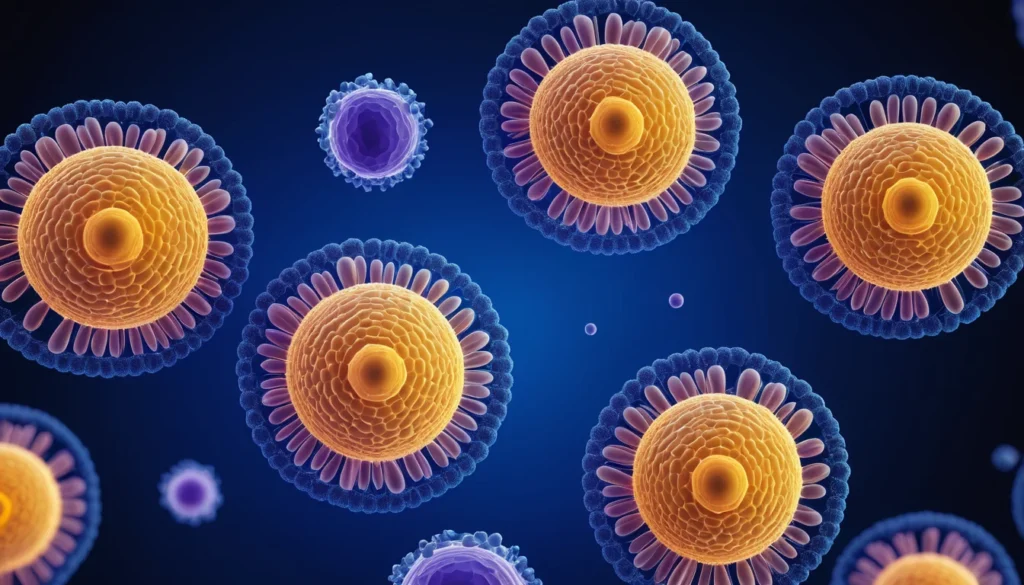
Acatalasia, also called acatalasemia, is a genetic disorder caused by mutations in the CAT gene. This gene provides instructions for making catalase, an enzyme found in nearly every cell of the body. Catalase plays a critical role in breaking down hydrogen peroxide, a naturally occurring substance that can damage cells if it builds up.
When catalase is missing or does not work properly, hydrogen peroxide accumulates in the tissues. In people with acatalasia, this buildup is especially damaging to the delicate tissues inside the mouth. The condition was first identified in Japan in the 1940s, but cases have since been reported in people of many ethnic backgrounds around the world.
Acatalasia is inherited in an autosomal recessive pattern. This means a person must inherit a faulty copy of the gene from both parents in order to develop the condition. People who inherit only one faulty copy are called carriers — they usually have no symptoms but can pass the gene to their children.
How Acatalasia Affects Oral Health
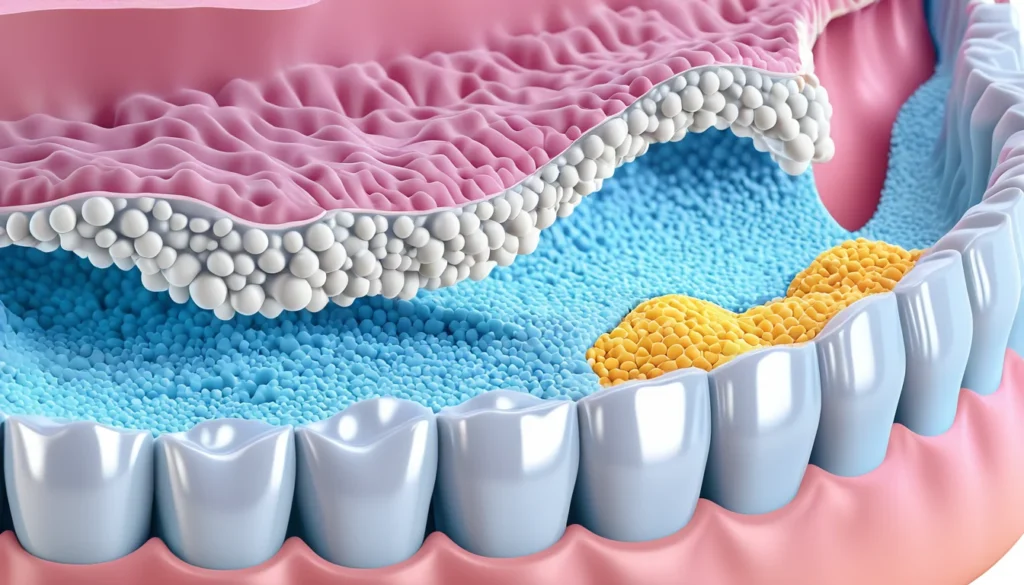
The most well-known effect of acatalasia is its impact on the gums and mouth. Because hydrogen peroxide cannot be broken down efficiently, it damages the gum tissue over time. This creates an environment where harmful bacteria thrive and oral infections become more likely.
Many people with acatalasia develop a condition known as Takahara’s disease, named after the Japanese surgeon who first described it. This condition involves progressive destruction of the gum tissue and the bone that supports the teeth. In severe cases, teeth may loosen and fall out without proper treatment.
However, it is important to note that not everyone with acatalasia develops severe symptoms. Some people have very mild or even no noticeable oral health problems. The severity can vary depending on the specific genetic mutation involved and other individual health factors.
Common Oral Symptoms to Watch For
People with acatalasia may experience a range of mouth and gum-related symptoms. These can include:
Recurring mouth sores or ulcers
Red, swollen, or bleeding gums
Gum tissue that pulls away from the teeth
Loosening or loss of teeth at an early age
Slow healing of cuts or wounds inside the mouth
Frequent oral infections or abscesses
These symptoms can sometimes be mistaken for ordinary gum disease or poor oral hygiene. Therefore, it is important for a dentist or doctor to consider rare underlying conditions, especially when symptoms are severe or do not respond to standard treatment.
What Causes Acatalasia? Understanding the Genetics
Acatalasia is caused by changes, or mutations, in the CAT gene located on chromosome 11. Different mutations cause different levels of enzyme loss. Some mutations result in a total absence of catalase activity, while others allow a small amount of the enzyme to remain active.
Because the condition is recessive, both parents must carry a faulty copy of the gene for a child to be affected. If both parents are carriers, there is a one-in-four chance with each pregnancy that the child will have acatalasia. Health Canada and provincial genetics programs can provide guidance to families concerned about inherited conditions.
In addition, acatalasia appears to be more common in certain populations, including people of Japanese, Swiss, and Hungarian descent. However, it can occur in any ethnic group. Genetic testing can confirm a diagnosis and help identify carriers within a family.
Is Acatalasia Linked to Other Health Conditions?
Researchers have explored whether the lack of catalase activity may be connected to other health problems beyond the mouth. Some studies suggest that people with acatalasia may have a higher risk of developing type 2 diabetes. This is thought to be related to the role catalase plays in protecting the cells of the pancreas from oxidative damage.
Furthermore, there is ongoing research into whether low catalase levels may be associated with an increased risk of certain cancers or cardiovascular conditions. However, these links are still being studied and are not yet fully confirmed. As a result, people with acatalasia should maintain regular check-ups with their healthcare provider to monitor their overall health.
How Is Acatalasia Diagnosed?
Diagnosing acatalasia typically begins when a doctor or dentist notices unusual or severe oral health problems that do not respond to standard treatments. A simple lab test can measure the level of catalase activity in red blood cells. In people with acatalasia, this activity will be very low or completely absent.
Genetic testing can confirm the diagnosis by identifying the specific mutation in the CAT gene. This type of testing is available through specialized genetics clinics in Canada. Your family doctor can refer you to a medical geneticist if acatalasia is suspected.
In Canada, access to genetic testing and specialist referrals is covered under most provincial health plans, though wait times and availability can vary by province. Speak with your family doctor or visit a walk-in clinic to discuss your concerns and get the process started.
Challenges in Getting a Diagnosis
Because acatalasia is so rare, many healthcare providers may not immediately recognize it. Oral symptoms are often attributed to other more common causes, such as periodontal disease or nutritional deficiencies. Therefore, diagnosis can sometimes take time and require visits to multiple specialists, including dentists, periodontists, and medical geneticists.
If you or a family member has persistent, unexplained gum problems — especially alongside a family history of similar issues — it is worth asking your doctor specifically about rare enzyme deficiencies. Advocating for yourself within the healthcare system is an important step toward getting the right diagnosis.
Treatment and Management of Acatalasia
Currently, there is no cure for acatalasia. However, the condition can be managed effectively with the right care, especially when it is caught early. Treatment focuses on protecting the mouth from damage and preventing infections before they become severe.
Good oral hygiene is the foundation of management. This includes brushing and flossing regularly, using antiseptic mouthwash, and visiting a dentist at least twice a year — or more frequently if recommended. Your dentist may also recommend professional cleanings more often to keep bacterial levels in the mouth low.
In cases where significant gum or bone damage has already occurred, more advanced dental treatments may be needed. These can include deep cleaning procedures (called scaling and root planing), antibiotic therapy, or in severe cases, surgical interventions to repair or rebuild damaged tissue. The Mayo Clinic provides helpful information on gum disease treatments that may be relevant to people managing acatalasia.
Lifestyle Tips to Support Oral and Overall Health
In addition to professional dental care, there are everyday steps that can help people with acatalasia protect their health. Consider the following:
Avoid smoking and tobacco products, as these worsen gum disease significantly
Eat a balanced diet rich in fruits, vegetables, and fibre to support immune function
Limit sugary foods and drinks that feed harmful bacteria in the mouth
Stay well hydrated to support saliva production, which naturally protects teeth and gums
Manage stress, as chronic stress can weaken the immune system and worsen oral health
Attend all scheduled medical and dental appointments to monitor for changes
These habits benefit everyone’s health, but they are especially important for people living with a condition that makes oral tissues more vulnerable. For more general guidance on maintaining good health, Healthline’s oral health resource centre offers practical, evidence-based advice.
When to See a Doctor or Dentist
You should speak with your family doctor or dentist if you notice any persistent or unusual changes in your mouth, gums, or teeth. This is especially true if your gums bleed easily, your teeth are loosening without an obvious cause, or you keep getting infections that are slow to heal.
If you already know that acatalasia runs in your family, inform your healthcare providers right away. Early intervention can prevent serious damage and preserve oral health for much longer. In Canada, you can start by visiting your family doctor, a walk-in clinic, or your regular dentist. They can refer you to the appropriate specialist, such as a periodontist or a medical geneticist.
Do not wait until symptoms become severe. The earlier acatalasia is identified and managed, the better the long-term outcomes. As always, consult your doctor or dentist before making any changes to your health routine or treatment plan.
Frequently Asked Questions About Acatalasia
What is acatalasia and how common is it?
Acatalasia is a rare genetic disorder in which the body cannot produce a working form of the enzyme catalase. It is considered very rare worldwide, with most documented cases occurring in Japan, Switzerland, and Hungary, though it can affect people of any background. Because of its rarity, many people with acatalasia may go undiagnosed for years.
Can acatalasia cause tooth loss?
Yes, in severe cases, acatalasia can lead to tooth loss. The buildup of hydrogen peroxide in gum tissue damages both the gums and the underlying bone that holds teeth in place. With early diagnosis and consistent dental care, however, many people with acatalasia are able to preserve their teeth for much longer.
Is acatalasia the same as catalase deficiency?
Yes, acatalasia and catalase deficiency refer to the same condition. Acatalasia is the clinical name for the inherited disorder in which catalase enzyme activity is severely reduced or completely absent. Both terms describe the same underlying genetic problem caused by mutations in the CAT gene.
How is acatalasia diagnosed in Canada?
In Canada, acatalasia is typically diagnosed through a blood test that measures catalase activity in red blood cells, followed by genetic testing to confirm the specific mutation. Your family doctor can provide a referral to a medical geneticist or specialist clinic, and testing costs are generally covered under provincial health plans.
Is there a cure for acatalasia?
There is currently no cure for acatalasia, but the condition can be managed effectively with proper oral hygiene and regular dental care. Treatment focuses on preventing infections, reducing gum damage, and monitoring overall health. Research into enzyme replacement and gene therapy is ongoing, which may offer new options in the future.
Can acatalasia affect children?
Yes, acatalasia is a congenital condition, meaning it is present from birth. Symptoms, particularly those affecting the gums and mouth, can appear during childhood. Parents who are known carriers of the gene mutation should inform their child’s doctor and dentist so that monitoring can begin early and preventive care can be put in place.
Key Takeaways
Acatalasia is a rare inherited condition caused by a lack of the enzyme catalase.
Without catalase, hydrogen peroxide builds up in body tissues, causing significant damage to the gums and mouth.
Common symptoms include recurring mouth sores, bleeding gums, tooth loosening, and frequent oral infections.
The condition is genetic and follows an autosomal recessive pattern — both parents must carry the faulty gene for a child to be affected.
Diagnosis involves a blood test to measure catalase activity, confirmed by genetic testing available through Canadian specialist clinics.
There is no cure, but early management through good oral hygiene, regular dental visits, and a healthy lifestyle can protect your health significantly.
If you have unexplained gum problems or a family history of acatalasia, speak with your family doctor, visit a walk-in clinic, or see your dentist as soon as possible.
Always consult a qualified healthcare provider before starting or changing any treatment plan.