Acanthosis nigricans is a skin condition that causes dark, thick, velvety patches to appear on the skin. It most often shows up in body folds and creases, such as the neck, armpits, and groin. This article explains what causes acanthosis nigricans, who is at risk, and what you can do about it. If you notice unusual changes to your skin, speaking with your family doctor or visiting a walk-in clinic is always a good first step.
What Is Acanthosis Nigricans?
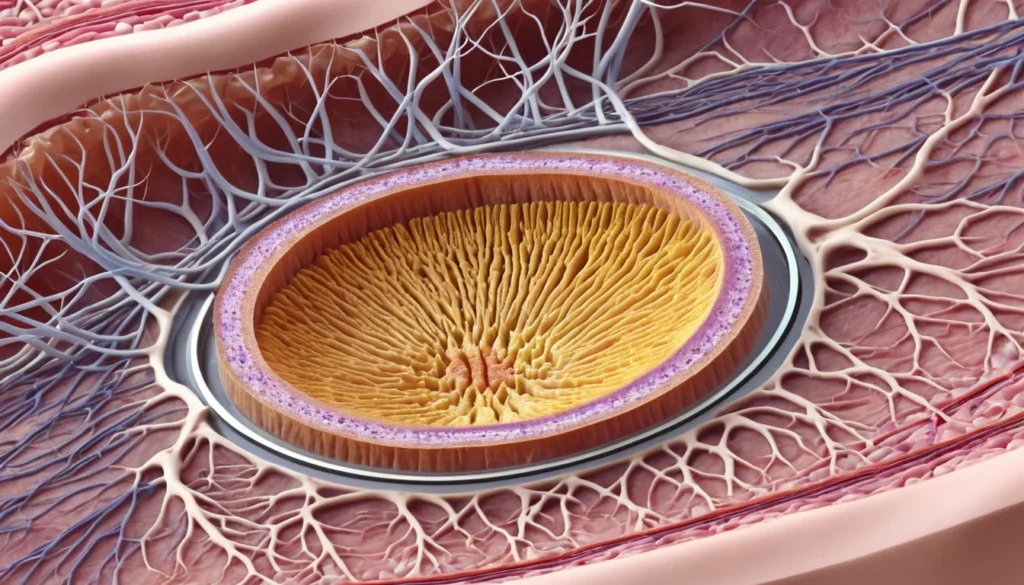
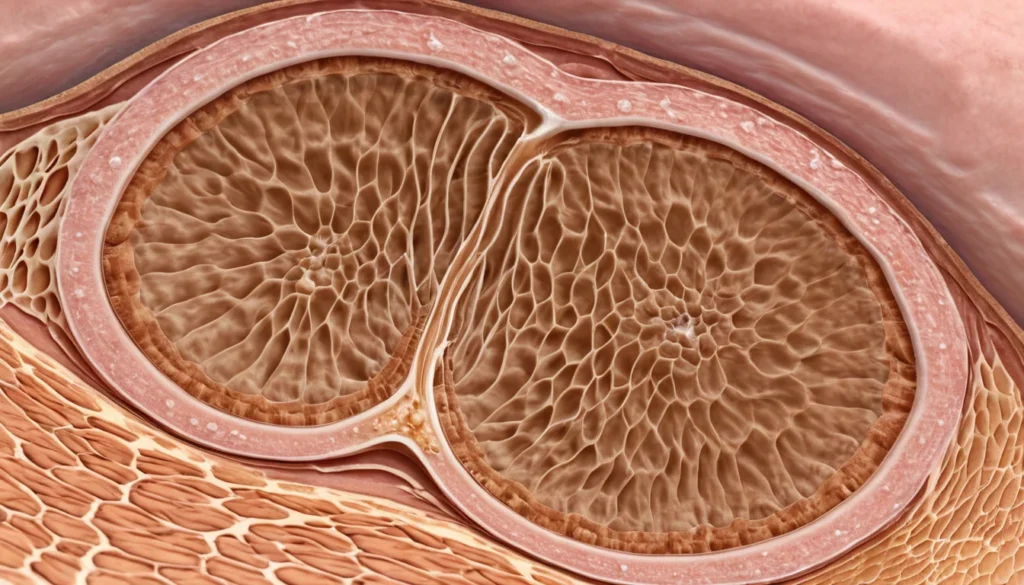
Acanthosis nigricans is a skin condition that affects the outer layer of the skin called the epidermis. Specifically, it involves the overgrowth of skin cells in the malpighian layer — the deepest part of the outer skin. As a result, the skin becomes thicker, darker, and takes on a rough or velvety texture.
The name comes from Latin. “Acanthosis” refers to the thickening of the skin’s outer layer. “Nigricans” refers to the darkening in colour that typically occurs alongside it.
This condition is not a disease on its own. Instead, it is usually a visible sign that something else is happening inside the body. In many cases, that underlying cause is related to insulin levels or hormonal changes.
What Does Acanthosis Nigricans Look Like?
The most noticeable feature of acanthosis nigricans is a change in skin colour and texture. The affected skin becomes noticeably darker — often brown or grey — compared to the surrounding area. It may also feel velvety or slightly rough to the touch.
Common areas where this skin thickening appears include:
The back and sides of the neck
The armpits
The groin area
Under the breasts
The elbows, knuckles, or knees (less common)
The patches usually develop slowly over time. They are not typically painful, though some people report mild itching in the affected areas. In some cases, the skin may develop a slight odour if bacteria accumulate in the folds.
It is important to understand that acanthosis nigricans is not contagious. You cannot spread it to others through skin contact.
What Causes Acanthosis Nigricans?
There are several known causes of acanthosis nigricans. The most common cause in Canada is insulin resistance. However, other factors can also trigger this skin change.
Insulin Resistance and Type 2 Diabetes
Insulin resistance is the leading cause of acanthosis nigricans. This happens when the body’s cells stop responding well to insulin, a hormone that helps control blood sugar. The pancreas then produces more insulin to compensate. High insulin levels in the blood can stimulate skin cells to grow faster, leading to the thickening and darkening seen in acanthosis nigricans.
People with prediabetes or type 2 diabetes often develop this skin condition. In fact, noticing acanthosis nigricans on your skin may be one of the first signs that your blood sugar levels need attention. Health Canada highlights diabetes as a growing health concern across the country, making early detection especially important.
Obesity
Being overweight or obese significantly raises the risk of developing acanthosis nigricans. Excess body weight is closely linked to insulin resistance, which in turn drives the skin changes. Furthermore, skin folds that come with extra weight can trap moisture and friction, which may worsen the appearance of the condition.
Hormonal Disorders
Certain hormonal conditions can also trigger acanthosis nigricans. These include:
Polycystic ovary syndrome (PCOS)
Hypothyroidism (an underactive thyroid)
Cushing’s syndrome (high cortisol levels)
Acromegaly (excess growth hormone)
In these conditions, hormonal imbalances affect how the body processes insulin and how skin cells grow.
Medications
Some medications can cause acanthosis nigricans as a side effect. These include high-dose niacin (a B vitamin), corticosteroids, and certain hormonal contraceptives. If you recently started a new medication and noticed skin changes, talk to your family doctor about whether the two could be connected.
Rare Causes
In rare cases, acanthosis nigricans can be linked to certain cancers, particularly stomach cancer or lymphoma. This type is called malignant acanthosis nigricans. It tends to appear suddenly, spread quickly, and may occur in unusual locations like the lips or palms. This rare form requires urgent medical attention.
Who Is at Risk?
Acanthosis nigricans can affect people of any age, including children. However, some groups face a higher risk than others.
People who are more likely to develop acanthosis nigricans include:
Those with obesity or overweight
People with a family history of type 2 diabetes
Indigenous, South Asian, African, and Hispanic populations, who have higher rates of insulin resistance
People with polycystic ovary syndrome (PCOS)
Those taking certain medications long-term
In Canada, rates of type 2 diabetes and insulin resistance have been rising steadily. Therefore, acanthosis nigricans is becoming more commonly recognised by family doctors and walk-in clinic practitioners across the country. According to Mayo Clinic, the condition affects people of all skin tones, though it may be more visible on lighter skin.
How Is Acanthosis Nigricans Diagnosed?
A doctor can usually diagnose acanthosis nigricans simply by looking at the skin. No special test is needed to identify the skin changes themselves. However, your doctor will likely want to understand what is causing the condition.
To find the underlying cause, your doctor may order:
Blood tests to check blood sugar and insulin levels
A complete blood count (CBC)
Thyroid function tests
Hormone level tests if PCOS is suspected
In rare cases, imaging or biopsy if cancer is a concern
In Canada, these tests are generally covered under provincial health plans when ordered by a family doctor or specialist. Your doctor will choose the right tests based on your personal health history and risk factors.
Treatment Options for Acanthosis Nigricans
There is no single treatment that removes acanthosis nigricans directly. Instead, treating the underlying cause is the most effective approach. As the root problem improves, the skin changes often fade on their own.
Treating the Underlying Cause
If insulin resistance or type 2 diabetes is the cause, managing blood sugar levels can lead to noticeable improvement in the skin. This may involve lifestyle changes such as a healthier diet, regular physical activity, and weight loss if recommended by your doctor. In some cases, medication to lower blood sugar — such as metformin — may also be prescribed.
If a hormonal disorder is the cause, treating that condition often improves the skin as well. Similarly, if a medication is responsible, your doctor may adjust your dose or switch you to a different option.
Skin Care and Cosmetic Options
Some people choose cosmetic treatments to improve the appearance of the affected skin. These options do not treat the cause, but they may make the patches less visible. Options include:
Prescription retinoid creams to thin the thickened skin
Topical vitamin D analogues
Exfoliating creams with salicylic acid or alpha hydroxy acids
Laser therapy in some dermatology centres
Always speak with your doctor or a dermatologist before starting any skin treatment. Some products can irritate sensitive skin, especially in body folds.
Lifestyle Changes
For many Canadians, lifestyle changes are the most impactful part of managing acanthosis nigricans. A diet lower in refined sugars and processed foods can help reduce insulin resistance. Regular exercise — even 30 minutes of walking most days — can improve how the body uses insulin. Furthermore, reaching and maintaining a healthy weight often leads to visible improvement in skin colour and texture over time.
According to Healthline, weight loss is one of the most effective ways to reduce the appearance of acanthosis nigricans in people where obesity is a contributing factor.
When to See a Doctor
You should see your family doctor if you notice dark, velvety patches of skin appearing on your body — especially around the neck, armpits, or groin. While acanthosis nigricans is often harmless, it can be a signal that your blood sugar or hormones need to be checked.
Visit a walk-in clinic promptly if:
The patches appear suddenly and spread quickly
You also feel unusually tired, thirsty, or are urinating more often than normal
The skin changes appear in unusual areas like your lips, tongue, or palms
You have a family history of diabetes and are noticing new skin changes
Early detection makes a real difference. Catching insulin resistance or prediabetes early gives you the best chance of managing your health before more serious problems develop. Most provincial health plans in Canada cover visits to your family doctor for concerns like this, so there is no reason to wait.
As always, this article is for general information only. Please speak with a qualified healthcare provider before making any decisions about your health or treatment.
Frequently Asked Questions About Acanthosis Nigricans
Is acanthosis nigricans dangerous?
Acanthosis nigricans itself is not dangerous, but it can be a warning sign of an underlying health issue. In most cases, it signals insulin resistance or a hormonal imbalance that needs attention. However, a rare form linked to internal cancers does exist, so it is always worth having new skin changes checked by your doctor.
Can acanthosis nigricans go away on its own?
Acanthosis nigricans can fade significantly when the underlying cause is treated. For example, if the condition is linked to obesity, losing weight may lead to noticeable improvement in the skin’s colour and texture. It is unlikely to resolve completely without addressing the root cause.
Is acanthosis nigricans a sign of diabetes?
Acanthosis nigricans is strongly associated with insulin resistance, which is a key factor in prediabetes and type 2 diabetes. Seeing dark, velvety patches on your skin — especially around the neck — may be one of the earliest visible signs that your blood sugar levels need attention. Your doctor can order a simple blood test to check your glucose and insulin levels.
What does acanthosis nigricans look like on dark skin?
On darker skin tones, acanthosis nigricans may appear as patches that are only slightly darker than the surrounding skin, making them harder to notice at first. The texture change — a velvety or rough feel — is often the more noticeable feature. If you are unsure about a skin change, a family doctor or dermatologist can examine the area properly.
How is acanthosis nigricans treated in Canada?
In Canada, treatment for acanthosis nigricans focuses on managing the underlying cause, such as insulin resistance, diabetes, or a hormonal disorder. Lifestyle changes like a healthier diet and regular exercise are often the first recommendation. Follow-up care and blood tests are typically covered under provincial health plans when referred by a family doctor.
Can children get acanthosis nigricans?
Yes, children can develop acanthosis nigricans, and it is becoming more common as rates of childhood obesity and insulin resistance rise in Canada. Parents who notice dark skin patches on a child’s neck or underarms should speak with their child’s doctor. Early lifestyle changes can make a significant difference in a child’s long-term health.
Key Takeaways
Acanthosis nigricans causes dark, thick, velvety patches of skin, most often in body folds like the neck and armpits.
It is usually a sign of an underlying condition, most commonly insulin resistance or type 2 diabetes.
Other causes include obesity, hormonal disorders, and certain medications.
Treating the root cause — through lifestyle changes or medication — often improves the skin over time.
A rare form linked to cancer can appear suddenly and in unusual areas, requiring prompt medical attention.
If you notice unexplained skin changes, see your family doctor or visit a walk-in clinic. Most provincial health plans cover this type of visit.
Early detection of insulin resistance or prediabetes gives you the best chance of protecting your long-term health.