Acalculia is a neurological condition that makes it impossible for a person to understand numbers or perform basic math. It is most often linked to brain injury or stroke, and it can appear as part of a broader language and communication disorder called aphasia. This article explains what acalculia is, what causes it, how it is diagnosed, and what treatment options are available to Canadians.
What Is Acalculia?
Acalculia is the complete loss of the ability to use numbers or do arithmetic. A person with acalculia cannot add, subtract, multiply, or divide — even at a very basic level. They may also struggle to read or write numbers correctly.
This condition is different from dyscalculia, which is a learning disability that affects a person’s ability to learn math from childhood. Acalculia, by contrast, develops after the brain has already learned these skills. It appears after brain damage or disease.
Acalculia is considered a symptom rather than a disease on its own. It often appears alongside other neurological symptoms, especially when it is part of aphasia — a condition that affects a person’s ability to speak, understand language, read, and write.
Types of Acalculia
Doctors and researchers generally divide acalculia into two main types. Understanding which type a person has helps guide their treatment and rehabilitation.
Primary Acalculia
Primary acalculia means the person has lost the core ability to understand and work with numbers. This is a direct loss of mathematical thinking. It is not caused by problems with language or memory — the person simply cannot process numbers anymore.
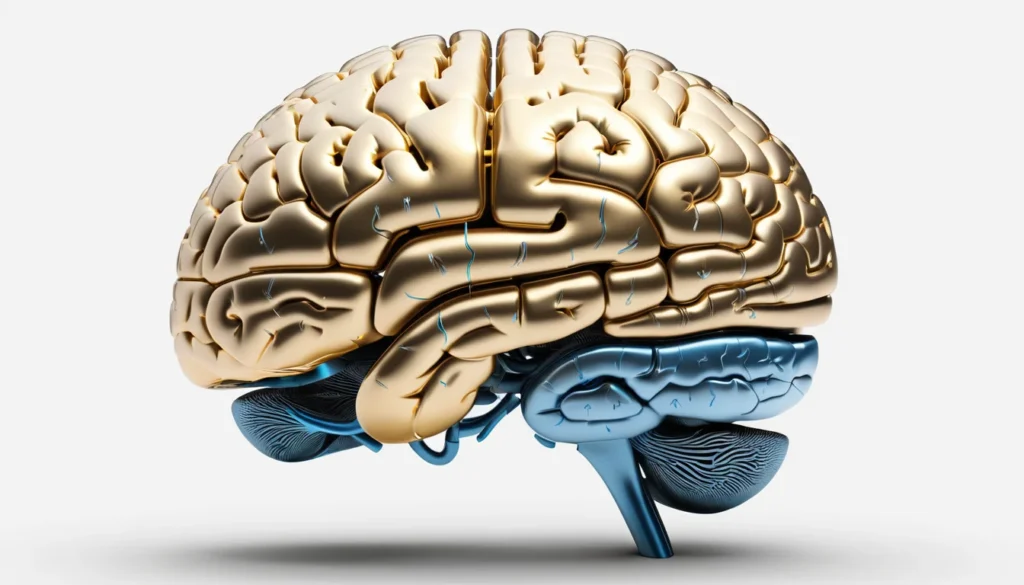
This type is less common. It is usually linked to damage in a specific part of the brain called the parietal lobe, which plays a key role in numerical reasoning.
Secondary Acalculia
Secondary acalculia is more common. In this case, the difficulty with math is caused by another problem — such as trouble with language, memory, attention, or spatial reasoning. For example, a person might not be able to read the numbers on a page because of a reading disorder, not because they have forgotten how math works.
Secondary acalculia can result from damage to several different areas of the brain, depending on which skill is affected. As a result, treatment focuses on the underlying problem rather than the math difficulty alone.
Causes of Acalculia
Acalculia is almost always caused by damage to the brain. Several conditions and events can lead to this kind of damage. In Canada, stroke is one of the most common causes of sudden neurological symptoms like acalculia.
Common Causes
Stroke: A stroke can cut off blood flow to parts of the brain. Depending on the area affected, this can cause acalculia alongside other symptoms.
Traumatic brain injury (TBI): A serious blow to the head from a car accident, fall, or sports injury can damage the areas of the brain responsible for number processing.
Brain tumours: A tumour growing in or near the parietal lobe can interfere with mathematical thinking.
Dementia: Conditions like Alzheimer’s disease gradually destroy brain cells. Difficulty with numbers is often one of the early signs of cognitive decline.
Epilepsy: Seizures that affect certain parts of the brain can temporarily or permanently disrupt number processing.
Infections: Some brain infections, such as encephalitis, can cause widespread neurological damage, including acalculia.
In addition, some people develop acalculia after brain surgery, particularly if the procedure involves the left hemisphere of the brain. The left hemisphere is closely connected to language and number processing in most people.
Symptoms of Acalculia
The symptoms of acalculia can vary from person to person. They depend on the type of acalculia, the location of the brain damage, and whether other neurological conditions are present.
Signs to Watch For
Inability to count objects or say numbers in order
Difficulty reading or writing numbers
Trouble telling the difference between numbers (for example, confusing 6 and 9)
Inability to do simple addition or subtraction
Struggling to understand prices, tell time, or follow a recipe
Difficulty managing money, paying bills, or giving correct change
Getting confused when following numbered steps or instructions
However, it is important to note that occasional math mistakes are completely normal. Acalculia refers to a significant and consistent inability to process numbers — not just forgetting a formula now and then. Furthermore, these symptoms often appear alongside other neurological signs, such as speech difficulties, memory problems, or weakness on one side of the body.
If these symptoms appear suddenly — especially after a stroke or head injury — they require immediate medical attention. Do not wait for a scheduled appointment. Call 911 or go to your nearest emergency department right away.
How Acalculia Is Diagnosed
There is no single test for acalculia. Instead, healthcare providers use a combination of clinical assessments to evaluate a person’s number skills and identify any underlying brain damage.
Assessment Tools
A neuropsychologist or speech-language pathologist will typically ask the person to perform a series of tasks. These may include counting out loud, reading numbers, solving simple math problems, and identifying quantities of objects. The results help determine the type and severity of acalculia.
Brain imaging is also an important part of the diagnostic process. Doctors may order an MRI (magnetic resonance imaging) or CT scan to look for damage, tumours, or other changes in the brain. These tests help identify the cause of the symptoms and guide treatment decisions.
In Canada, your family doctor will usually coordinate these referrals. They may send you to a neurologist, a physiatrist (a rehabilitation specialist), or a speech-language pathologist depending on your symptoms. Health Canada provides guidance on navigating neurological care and understanding your options within your provincial health plan.
Treatment and Rehabilitation for Acalculia
There is no single medication that treats acalculia directly. Instead, treatment focuses on rehabilitation — retraining the brain to compensate for lost abilities, and addressing the underlying cause of the condition.
Speech and Language Therapy
Speech-language pathologists play a central role in treating acalculia, especially when it is linked to aphasia. They use structured exercises to help patients relearn number concepts, reading, and language skills. Therapy is usually done step by step, starting with the most basic tasks and gradually increasing difficulty.
In Canada, speech-language pathology services are often covered under provincial health plans when they are part of a hospital-based or rehabilitation programme. Ask your family doctor or specialist about what your province covers.
Neurological Rehabilitation
Occupational therapists and neuropsychologists also work with people who have acalculia. They help patients develop strategies to manage daily tasks that involve numbers — such as using a calculator, setting up automatic bill payments, or using visual aids for counting.
According to the Mayo Clinic’s overview of aphasia and related conditions, early and intensive rehabilitation gives people the best chance of recovering lost skills. Starting treatment as soon as possible after brain injury is strongly recommended.
Treating the Underlying Cause
When acalculia is caused by a treatable condition — such as a tumour or an infection — treating that condition may help reduce symptoms. For example, removing a tumour or treating encephalitis with antiviral medication can sometimes lead to improvement in cognitive function.
For people with progressive conditions like dementia, the focus shifts to managing symptoms and maintaining quality of life for as long as possible. Support from community health services and caregivers becomes increasingly important over time.
Living With Acalculia in Canada
Acalculia can affect many areas of daily life. Simple tasks like shopping, reading bus schedules, or paying bills can become very challenging. However, many people find ways to adapt and live well with the right support.
Technology can be a helpful tool. Smartphones, calculator apps, and voice assistants can take over many tasks that used to require mental math. Family members and caregivers can also help by simplifying financial tasks and providing reminders.
Many provinces offer community-based rehabilitation programmes for people recovering from stroke or brain injury. The World Health Organization emphasises that rehabilitation is a core part of healthcare, not an optional add-on. Talking to your healthcare team about available community resources is an important step.
Support groups for stroke survivors and people with brain injuries can also make a real difference. Connecting with others who understand your experience can reduce feelings of isolation and help you learn practical coping strategies.
When to See a Doctor
You should speak with your family doctor if you or someone you care about is showing signs of acalculia. This is especially important if the symptoms appeared suddenly or have been getting worse over time.
If you do not have a family doctor, a walk-in clinic is a good first step. A clinic doctor can evaluate the symptoms, order initial tests, and refer you to the right specialist. Do not ignore sudden changes in thinking, language, or number skills — these can be signs of a stroke or other serious brain condition that needs urgent care.
For sudden onset of symptoms — especially if combined with weakness, facial drooping, or speech problems — call 911 immediately. Time is critical when it comes to strokes and brain injuries. The sooner treatment begins, the better the outcome can be.
Always speak with a qualified healthcare provider before drawing conclusions about any neurological symptom. Only a doctor can properly diagnose acalculia and recommend the right treatment for your specific situation.
What is acalculia and how is it different from dyscalculia?
Acalculia is the loss of the ability to understand or use numbers, caused by brain damage or injury. Dyscalculia, on the other hand, is a learning disability present from childhood that makes it hard to learn math in the first place. The key difference is that acalculia develops after the brain has already learned these skills, while dyscalculia is present from early development.
What causes acalculia?
Acalculia is most often caused by brain damage from a stroke, traumatic brain injury, brain tumour, or dementia. In Canada, stroke is one of the most frequent causes of sudden neurological symptoms including acalculia. Damage to the parietal lobe of the brain is particularly associated with this condition.
Can acalculia be treated or reversed?
Acalculia can improve with rehabilitation, especially when treatment begins early after the brain injury or event. Speech-language therapy and neurological rehabilitation can help people relearn number skills or develop strategies to manage daily tasks. Recovery depends on the severity of the brain damage and the underlying cause of the acalculia.
Is acalculia a symptom of dementia?
Yes, difficulty with numbers and basic math can be an early sign of dementia, including Alzheimer’s disease. Acalculia in the context of dementia reflects the gradual loss of cognitive function as the disease progresses. If you notice a loved one struggling with numbers in new or unusual ways, it is worth speaking with a family doctor or walk-in clinic.
How is acalculia diagnosed in Canada?
Acalculia is diagnosed through a combination of neuropsychological assessments and brain imaging such as an MRI or CT scan. Your family doctor can refer you to a neurologist or speech-language pathologist for a full evaluation. Provincial health plans often cover these assessments when they are medically necessary.
What part of the brain controls math and is affected in acalculia?
The parietal lobe, particularly in the left hemisphere, plays a central role in numerical reasoning and mathematical thinking. Damage to this area is closely linked to primary acalculia. However, other brain regions involved in language, memory, and attention can also contribute to math difficulties when damaged.
Key Takeaways
Acalculia is the loss of the ability to understand numbers or do basic math, caused by brain damage.
It is most commonly linked to stroke, traumatic brain injury, brain tumours, and dementia.
There are two main types: primary acalculia (direct loss of number processing) and secondary acalculia (caused by another problem like language or memory loss).
Symptoms include inability to count, read numbers, tell time, manage money, or perform simple arithmetic.
Diagnosis involves neuropsychological testing and brain imaging, coordinated through your family doctor or specialist.
Treatment focuses on rehabilitation, including speech-language therapy and occupational therapy.
If symptoms appear suddenly, call 911 — it could be a stroke requiring emergency care.
Speak with your family doctor or visit a walk-in clinic if you notice signs of acalculia in yourself or a loved one.