Abulia is a condition where a person loses the ability to make decisions, take action, or feel motivated to do everyday tasks. It goes beyond simple laziness or tiredness. Abulia affects both the mind and the body, making even simple activities feel impossible. In this article, we explain what abulia is, what causes it, and how Canadians can find the right support.
What Is Abulia?
Abulia comes from the Greek word meaning “lack of will.” It is a neurological and psychological symptom that reduces a person’s drive to act, speak, or engage with the world. People with abulia do not simply feel sad or tired — they feel an almost complete absence of motivation.
It is important to understand that abulia is not a character flaw. It is a medical symptom, often linked to changes in the brain. Recognising it early can make a big difference in how well a person recovers.
Abulia exists on a spectrum. Mild forms may look like low energy or social withdrawal. Severe forms can leave a person unable to speak, move, or care for themselves. For this reason, it is often misunderstood or mistaken for depression or laziness.
Abulia vs. Apathy and Depression
Many people confuse abulia with apathy or depression. However, these are different conditions, even though they can overlap.
Apathy refers to a lack of interest or emotional response. A person with apathy may still be able to act if pushed or prompted. Abulia goes further — the person cannot initiate action even when they want to.
Depression often involves deep sadness, guilt, and hopelessness. Abulia, on the other hand, may not involve strong negative feelings at all. A person with abulia may feel emotionally flat rather than deeply sad.
Furthermore, abulia is often a symptom of a brain condition, while depression is primarily a mood disorder. This is a key distinction that affects treatment. A healthcare provider can help clarify which condition — or combination of conditions — is present.
Common Causes of Abulia
Abulia does not appear out of nowhere. It is usually a sign that something else is going on in the brain or body. Understanding the causes helps guide the right treatment.
Neurological Causes
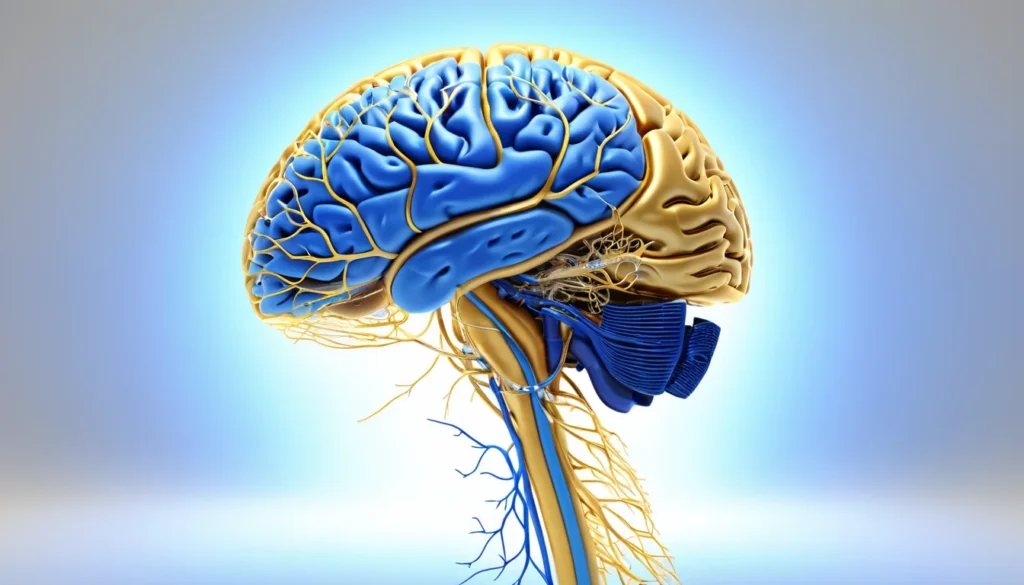
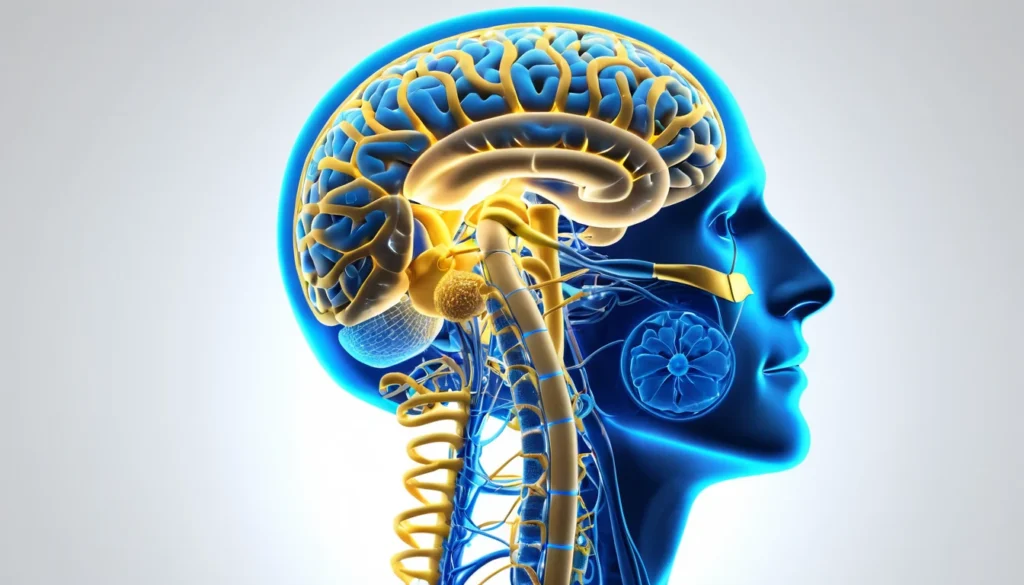
Damage or changes to the frontal lobe of the brain are the most common neurological cause of abulia. The frontal lobe controls decision-making, motivation, and planning. When it is affected, these abilities can decline sharply.
Conditions that may cause abulia include:
Stroke or transient ischemic attack (TIA)
Traumatic brain injury (TBI)
Parkinson’s disease
Alzheimer’s disease and other forms of dementia
Multiple sclerosis (MS)
Brain tumours
Huntington’s disease
In these cases, abulia often appears alongside other symptoms. It can be one of the first signs that a neurological condition is developing. Therefore, it should never be ignored.
Psychiatric Causes
Abulia can also arise from psychiatric conditions. These include severe depression, schizophrenia, and bipolar disorder. In some cases, it appears as a side effect of certain medications used to treat mental health conditions.
Substance use — including heavy alcohol use or the use of certain drugs — can also reduce motivation and trigger abulia-like symptoms. As a result, a full medical review is often needed to find the root cause.
Other Contributing Factors
Severe burnout, chronic stress, and prolonged social isolation can also contribute to symptoms that resemble abulia. In addition, thyroid disorders and other hormonal imbalances may affect motivation and energy in ways that mimic this condition.
Recognising the Signs and Symptoms of Abulia
Abulia can be difficult to spot, especially in its early stages. The signs often develop slowly and may be dismissed as personality changes or mood shifts. However, there are clear patterns to watch for.
Behavioural Signs
People with abulia often show significant changes in their behaviour. These changes can affect relationships, work, and daily routines. Common behavioural signs include:
Difficulty starting or finishing tasks
Long periods of sitting or doing nothing
Speaking very little, even in conversation
Slow responses to questions or requests
Withdrawing from social activities and relationships
Neglecting personal hygiene or household responsibilities
Loss of interest in hobbies or activities once enjoyed
Emotional and Cognitive Signs
Beyond behaviour, abulia also affects how a person thinks and feels. Emotional flatness is very common. The person may seem detached or unresponsive, even in emotional situations.
Cognitive signs include difficulty concentrating, trouble making even small decisions, and a general slowing of thought. These symptoms can affect a person’s ability to work, study, or manage daily life in Canada’s demanding, fast-paced environment.
How Is Abulia Diagnosed?
There is no single test for abulia. Diagnosis involves a careful review of symptoms, medical history, and often a series of tests to find the underlying cause.
A family doctor or specialist will typically begin with a physical examination and blood tests. These help rule out conditions like thyroid disease, anaemia, or vitamin deficiencies that can affect motivation and energy.
Neurological tests may include brain imaging such as an MRI or CT scan. These scans help doctors see if there are any structural changes in the brain. Psychological assessments may also be used to measure mood, motivation, and cognitive function.
In Canada, your family doctor is usually your first point of contact. They can refer you to a neurologist, psychiatrist, or psychologist depending on what the initial assessment reveals. Health Canada provides guidance on accessing mental health services across the country.
Treatment Options for Abulia
Because abulia is a symptom rather than a standalone diagnosis, treatment focuses on addressing the underlying cause. There is no single cure, but many people see significant improvement with the right support.
Medications
Depending on the cause, a doctor may prescribe medications to help. Dopamine-boosting medications are sometimes used, as dopamine plays a key role in motivation and reward. These include certain antidepressants and medications used for Parkinson’s disease.
However, medication is rarely the only answer. It works best as part of a broader treatment plan. Always follow your doctor’s guidance and never adjust medications on your own.
Therapy and Rehabilitation
Cognitive behavioural therapy (CBT) can help people identify patterns that maintain low motivation and develop strategies to overcome them. Occupational therapy is also helpful, especially when abulia is linked to a brain injury or neurological condition.
Rehabilitation programmes focus on rebuilding daily routines and re-engaging with life step by step. In Canada, many provincial health plans cover occupational therapy and some mental health services. Check with your provincial health authority to understand what is available in your area.
Lifestyle and Support Strategies
Structured routines can be very helpful for people experiencing abulia. When the brain struggles to initiate action, having a predictable schedule reduces the need to make decisions throughout the day.
Support from family and caregivers is equally important. Gentle encouragement — rather than pressure — tends to work best. Mayo Clinic notes that regular physical activity can significantly improve mood and motivation. Even short, gentle walks can help stimulate the brain and improve daily functioning.
Social connection also plays a role in recovery. Isolation can deepen abulia symptoms. Encouraging gentle social contact — whether with friends, family, or community groups — can provide meaningful support.
When to See a Doctor
If you or someone you care about has been showing signs of abulia for more than two weeks, it is time to seek medical advice. Do not wait to see if things improve on their own. Early assessment leads to better outcomes.
Start by booking an appointment with your family doctor. If you do not have a family doctor, a walk-in clinic can provide an initial assessment and refer you to the right specialist. Many provinces also offer mental health phone lines where you can speak with a registered nurse or counsellor.
Seek urgent care if a person suddenly loses the ability to speak, move, or care for themselves. Sudden abulia can be a sign of a stroke or other medical emergency. In that case, call 911 immediately.
The World Health Organization highlights the importance of early intervention for neurological and mental health conditions. Reaching out early is always the right choice.
Frequently Asked Questions About Abulia
What is abulia and how is it different from laziness?
Abulia is a medical symptom involving a significant loss of motivation, willpower, and the ability to initiate action. Unlike laziness, abulia is rooted in neurological or psychological changes in the brain. A person with abulia genuinely cannot motivate themselves, even when they want to.
Can abulia be cured?
Abulia itself is a symptom, so treatment focuses on the underlying cause. When the cause is identified and treated — whether it is a stroke, depression, or another condition — abulia symptoms often improve significantly. Recovery varies depending on the cause and the individual.
Is abulia a form of depression?
Abulia and depression are related but distinct. Depression typically involves persistent sadness and hopelessness, while abulia is primarily about the inability to initiate action or make decisions. However, the two conditions can occur together, and a doctor can help determine what is driving the symptoms.
What part of the brain is affected in abulia?
Abulia is most commonly linked to changes in the frontal lobe of the brain, which controls planning, decision-making, and motivation. Damage from a stroke, brain injury, or neurodegenerative disease can disrupt these functions and lead to abulia symptoms.
How is abulia treated in Canada?
In Canada, treatment for abulia typically begins with a visit to your family doctor or a walk-in clinic. Depending on the cause, treatment may include medications, cognitive behavioural therapy, occupational therapy, or rehabilitation programmes. Many provincial health plans cover some of these services.
Can stress or burnout cause abulia?
Severe and prolonged stress or burnout can produce symptoms that closely resemble abulia, including extreme low motivation and difficulty taking action. While this is not always classified as true abulia, the impact on daily life can be just as significant. Speaking with a doctor or mental health professional is the best next step.
Key Takeaways
Abulia is a medical symptom involving a significant loss of willpower and the ability to initiate action or thought.
It is different from laziness, apathy, and depression — though it can overlap with these conditions.
Common causes include stroke, brain injury, Parkinson’s disease, dementia, and severe psychiatric conditions.
Signs include social withdrawal, difficulty starting tasks, emotional flatness, and very slow or limited speech.
Diagnosis involves a physical exam, blood tests, brain imaging, and psychological assessment.
Treatment depends on the underlying cause and may include medication, therapy, and structured rehabilitation.
If you notice these signs in yourself or a loved one, speak with your family doctor or visit a walk-in clinic. Early help leads to better outcomes.
Always consult a qualified healthcare provider before making any changes to treatment or care.