Absence seizures are brief, sudden episodes where a person loses awareness for a few seconds. They are most common in children and can easily be mistaken for daydreaming or inattention. Understanding absence seizures — including their signs, causes, and treatment options — can help Canadian families get the right support through their family doctor or provincial health plan.
What Are Absence Seizures?
Absence seizures are a form of epilepsy. They cause a short interruption in consciousness, usually lasting between 5 and 30 seconds. During an episode, the person does not fall down or convulse, which makes them harder to notice.
These seizures are sometimes called “petit mal seizures,” an older French term. They are different from the more dramatic tonic-clonic seizures most people picture when they think of epilepsy. However, absence seizures are still a medical condition that needs proper diagnosis and care.
According to the World Health Organization’s epilepsy fact sheet, epilepsy affects around 50 million people worldwide. Absence seizures make up a significant portion of childhood epilepsy cases.
Signs and Symptoms of Absence Seizures
The most common sign of an absence seizure is a sudden blank stare. The child or person stops what they are doing and appears to “zone out.” They do not respond when you speak to them during the episode.
After the seizure ends, the person usually resumes their activity as if nothing happened. They often have no memory of the episode. This is one of the key ways absence seizures differ from simple daydreaming — a child who is daydreaming will respond if you call their name.
Common Signs to Watch For
Sudden, brief loss of awareness
Blank or “empty” stare lasting a few seconds
Stopping mid-sentence or mid-activity
No response to voice or touch during the episode
Subtle eye blinking or lip smacking in some cases
Resuming normal activity immediately after
No memory of the episode
In some children, absence seizures happen dozens of times per day. As a result, they can interfere with learning and daily activities. Teachers are often the first to notice a pattern of “spacing out” in the classroom.
How Long Do Absence Seizures Last?
Most absence seizures last between 5 and 30 seconds. They end as suddenly as they begin. Because they are so brief, parents and teachers may not notice them at first, or may dismiss them as a child being distracted.
However, if a child is having multiple seizures per day, the total time lost can add up. This can affect school performance, reading, and social interactions. Therefore, early detection is very important.
Who Gets Absence Seizures?
Absence seizures most often begin during childhood, typically between the ages of 4 and 14. They are slightly more common in girls than in boys. Most children with absence seizures are otherwise healthy and develop normally.
In many cases, children outgrow absence seizures by the time they reach their teenage years. However, some individuals continue to have seizures into adulthood. A small number may go on to develop other forms of epilepsy.
Risk Factors
Family history plays a role in absence seizures. If a parent or sibling has had epilepsy or absence seizures, a child is at higher risk. However, many children with absence seizures have no family history of the condition.
Hyperventilation — breathing rapidly — can sometimes trigger an absence seizure. Doctors often use this during testing to bring on an episode for observation. Fatigue and stress may also increase the likelihood of seizures in some individuals.
What Causes Absence Seizures?
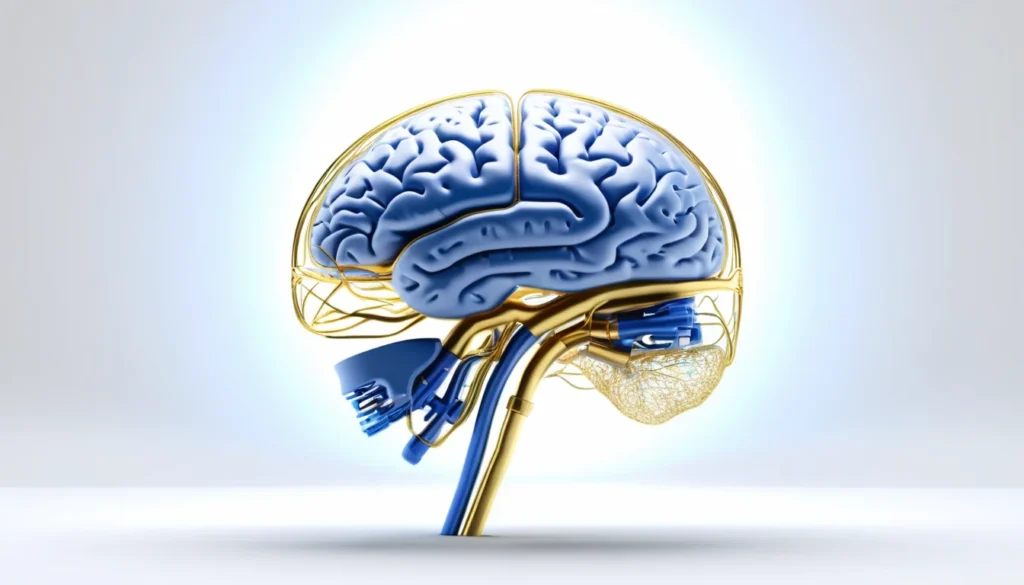
Absence seizures happen because of abnormal electrical activity in the brain. During a seizure, nerve cells fire in an unusual, synchronized pattern. This brief disruption affects the brain’s ability to maintain normal awareness.
Researchers believe genetics play a major role. Certain gene mutations affect the way brain cells communicate. Furthermore, the exact combination of genes involved is still being studied.
For more detail on the brain mechanisms behind epilepsy, the Mayo Clinic’s epilepsy overview provides a clear and reliable explanation.
Is It Always Epilepsy?
Yes, absence seizures are classified as a type of epilepsy. Specifically, they are associated with a condition called childhood absence epilepsy (CAE). This is one of the most common and well-understood forms of epilepsy in children.
Being diagnosed with epilepsy can feel overwhelming for families. However, it is important to know that childhood absence epilepsy is often very manageable. Many children respond well to treatment and live full, active lives.
How Are Absence Seizures Diagnosed?
Diagnosis begins with a visit to your family doctor or paediatrician. Your doctor will ask about the episodes in detail — what they look like, how long they last, and how often they happen. It helps to keep a written log of episodes before your appointment.
Your doctor will likely refer your child to a neurologist, a doctor who specializes in brain and nervous system conditions. In Canada, this referral is typically covered under provincial and territorial health plans, though wait times can vary by region.
Tests Used for Diagnosis
The main test used to diagnose absence seizures is an electroencephalogram, or EEG. This painless test measures electrical activity in the brain. During an absence seizure, an EEG shows a very specific pattern that helps confirm the diagnosis.
In some cases, the doctor may also order an MRI to rule out other causes. Blood tests may be done to check for underlying conditions. Together, these tests give a complete picture of what is happening in the brain.
Treatment Options for Absence Seizures
The good news is that absence seizures often respond well to medication. The most commonly prescribed drug for childhood absence epilepsy is ethosuximide. This medication is well-studied and effective for many children.
Other medications, such as valproic acid and lamotrigine, may also be used. Your child’s neurologist will choose the best option based on their age, health history, and seizure pattern. Never start or stop seizure medication without medical guidance.
Medication and School Life
Once treatment begins, many children see a significant reduction in seizures. In addition, some children become completely seizure-free on medication. This can lead to major improvements in school performance and quality of life.
It is important to inform your child’s school about their condition. Teachers and educational assistants can help monitor for seizures and ensure a safe learning environment. Most Canadian schools have protocols in place to support students with medical conditions.
Can Absence Seizures Be Cured?
Many children with childhood absence epilepsy do outgrow the condition. For these children, doctors may gradually reduce and eventually stop medication during the teenage years. However, this process should always be guided by a neurologist.
Not all children outgrow absence seizures. Some will need long-term medication management. Regular follow-up appointments are essential to track progress and adjust treatment as needed.
For a broader look at epilepsy treatment options, Healthline’s guide to epilepsy treatment offers helpful, evidence-based information.
Living With Absence Seizures: Tips for Families
A diagnosis of absence seizures can be stressful for the whole family. However, most children with this condition lead completely normal lives. With the right treatment and support, seizures can often be well controlled.
Open communication is key. Talk to your child about their condition in simple, age-appropriate language. Help them understand that epilepsy is not their fault and that many children have the same experience.
Safety at Home and School
Because absence seizures cause brief loss of awareness, certain activities require extra care. For example, swimming should always be supervised. Cycling near traffic should be done with caution until seizures are well controlled.
At school, inform teachers and the school nurse about your child’s condition. Ask about an Individual Education Plan (IEP) if seizures are affecting your child’s learning. Canadian schools are required to accommodate students with medical needs.
Supporting Your Child’s Mental Health
Some children feel embarrassed or different because of their seizures. It is important to address these feelings early. Consider speaking with a counsellor or your child’s paediatrician about emotional support resources available in your province.
Connecting with other families through epilepsy support groups can also be very helpful. Epilepsy Canada and provincial epilepsy associations offer resources, helplines, and community programmes for families across the country.
When to See a Doctor
If you notice your child frequently staring blankly, stopping mid-sentence, or not responding when spoken to, contact your family doctor as soon as possible. Do not wait to see if the episodes go away on their own.
If you do not have a family doctor, a walk-in clinic can provide an initial assessment and refer you to a specialist. Most provincial health plans cover neurology referrals when medically necessary.
Seek emergency care immediately if a seizure lasts longer than 5 minutes, if the person does not regain consciousness, or if a seizure is followed by injury. These situations require urgent medical attention.
Always speak with a qualified healthcare provider before making any decisions about diagnosis or treatment. This article is for general information purposes only and does not replace professional medical advice.
Frequently Asked Questions About Absence Seizures
What do absence seizures look like in a child?
Absence seizures cause a child to suddenly stop what they are doing and stare blankly for a few seconds. During an absence seizure, the child will not respond to their name or touch. Afterwards, they typically resume their activity with no memory of the episode.
Are absence seizures dangerous?
Absence seizures are generally not dangerous on their own, but they can pose safety risks during certain activities like swimming or cycling. However, having frequent absence seizures without treatment can affect a child’s learning and development. It is important to see a doctor for proper diagnosis and management.
Can a child outgrow absence seizures?
Many children with absence seizures do outgrow the condition by their mid-teenage years. A neurologist will monitor your child’s progress and may gradually reduce medication when appropriate. However, some children continue to experience absence seizures into adulthood and may need ongoing treatment.
How are absence seizures different from daydreaming?
The key difference is that a child who is daydreaming will respond if you call their name or touch their shoulder. During absence seizures, the child is completely unresponsive and has no memory of the episode afterwards. If you are unsure, a doctor can help determine whether the episodes are seizures or normal childhood behaviour.
What triggers absence seizures?
Hyperventilation — breathing very quickly — is a known trigger for absence seizures and is sometimes used by doctors during EEG testing for this reason. Fatigue, stress, and illness may also trigger episodes in some children. Identifying and managing triggers can help reduce how often absence seizures occur.
Is medication always needed for absence seizures?
Whether medication is needed depends on how often absence seizures occur and how much they affect daily life. Many children benefit significantly from anti-seizure medication, especially if seizures are frequent or interfering with school. Your child’s neurologist will recommend the best course of treatment based on their individual situation.
Key Takeaways
Absence seizures are brief episodes of lost awareness, most common in school-aged children.
They are a form of epilepsy, but they are often very manageable with the right treatment.
Common signs include a blank stare, stopping mid-activity, and no response to voice or touch.
Diagnosis typically involves an EEG and a referral to a neurologist, covered under most provincial health plans.
Medications like ethosuximide are effective for many children and can significantly reduce or eliminate seizures.
Many children outgrow absence seizures by their teenage years, though some require long-term care.
If you notice repeated episodes of blank staring in your child, speak with your family doctor or visit a walk-in clinic promptly.
Always consult a qualified healthcare professional for diagnosis and treatment guidance.