An abscess is a painful pocket of pus that forms when your body fights a bacterial infection. It can appear almost anywhere on or inside the body. Understanding what causes an abscess, how to spot one, and when to seek care can help you protect your health. This article walks you through everything you need to know, in plain language.
What Is an Abscess?
An abscess forms when bacteria enter the body’s tissue and the immune system responds. White blood cells rush to the area to fight the infection. As they do, a thick fluid called pus builds up inside a confined space.
Pus is made up of dead white blood cells, bacteria, and damaged tissue. The surrounding area becomes inflamed and swollen. This is why an abscess often feels warm, tender, and firm to the touch.
In addition, the body may wall off the infection to stop it from spreading. This creates the classic lump or bump we recognize as an abscess. However, not all abscesses are visible from the outside.
Types of Abscess: Superficial and Deep
Doctors generally divide abscesses into two broad categories: superficial and deep. Each type behaves differently and carries different risks.
Superficial (Skin) Abscesses
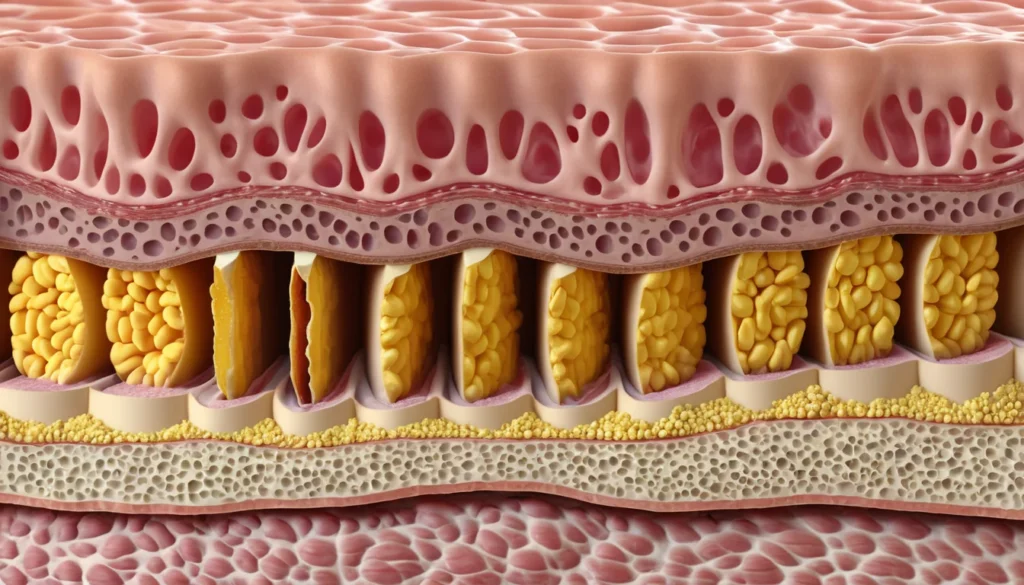
A superficial abscess sits close to the skin’s surface. You can often see it or feel it by pressing gently on the area. These are the most common type and are usually easier to treat.
Common locations for superficial abscesses include:
Fingers and toes — an infection around or under the nail is called a paronychia or felon
The buttocks and groin area
The armpit — often linked to blocked sweat glands
The anal area — called a perianal or anorectal abscess
The neck and throat
The chest wall
For example, a boil is one of the most recognizable superficial abscesses. It typically starts as a red, sore lump and gradually fills with pus over several days.
Deep (Internal) Abscesses
A deep abscess forms inside the body, often within an organ. These are harder to detect because you cannot see or feel them directly. They usually cause more general symptoms like fever, fatigue, or pain deep inside the body.
Deep abscesses can develop in organs such as:
The liver
The kidneys
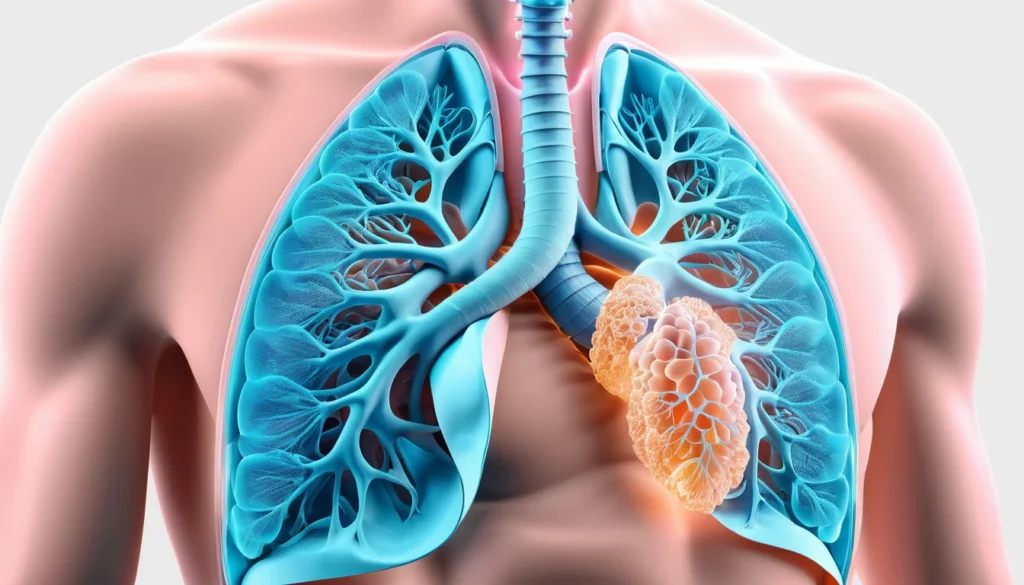
The lungs
The brain
The abdomen — including the space around organs (peritoneum)
A brain abscess is particularly serious. It behaves similarly to a tumour and can raise pressure inside the skull. This is a medical emergency that requires immediate attention.
When pus collects inside a natural body cavity — such as the space around the lungs (pleura) or the lining of the abdomen (peritoneum) — doctors may refer to it as an empyema. This is a specific and serious form of abscess.
What Causes an Abscess?
Most abscesses are caused by a bacterial infection. Staphylococcus aureus — commonly called staph — is responsible for many skin abscesses. However, other bacteria can also be involved, especially in internal abscesses.
Several factors can raise your risk of developing an abscess:
A cut or wound that allows bacteria to enter the skin
A blocked hair follicle or sweat gland
A weakened immune system due to diabetes, HIV, or certain medications
Poor nutrition, which can reduce the body’s ability to fight infection
Certain skin conditions, such as eczema or hidradenitis suppurativa
Dental problems, which can lead to a tooth or gum abscess
Intravenous drug use, which introduces bacteria directly into tissue
In addition, internal abscesses often develop as a complication of another infection or illness. For example, a ruptured appendix can lead to an abdominal abscess.
Recognizing the Symptoms of an Abscess
The symptoms of an abscess depend on where it is located. However, there are some signs that apply to most abscesses.
Symptoms of a Skin Abscess
A skin abscess is usually easy to identify. Look for these signs:
A swollen, raised lump under or on the skin
Redness and warmth around the area
Pain or tenderness when touched
A visible white or yellow head filled with pus
Fever or chills in more serious cases
Furthermore, the skin around a large abscess may feel tight. The lump may grow quickly over a few days.
Symptoms of a Deep Abscess
Deep abscesses are trickier to identify. General warning signs include:
A persistent or high fever
Chills and sweating
Dull or aching pain in a specific area of the body
Fatigue and general unwellness
Loss of appetite
As a result, deep abscesses are often discovered through imaging tests like an ultrasound or CT scan. Always take these symptoms seriously and see a healthcare provider promptly.
How Is an Abscess Treated?
The main treatment for an abscess is drainage. A doctor makes a small cut in the abscess to let the pus out. This relieves pressure, reduces pain, and allows the area to heal.
Do not try to drain an abscess yourself by squeezing or cutting it at home. This can push the infection deeper into the tissue or spread bacteria to other areas. Always have a healthcare professional perform this procedure.
Antibiotics and Medication
Antibiotics are not always needed for a simple skin abscess. However, your doctor may prescribe them if:
The infection is spreading beyond the abscess
You have a weakened immune system
The abscess is on your face or near your spine
You have a fever or other signs of systemic infection
For deep abscesses, antibiotics are almost always required. Treatment may be more complex and could involve a hospital stay, especially for brain or lung abscesses. According to Mayo Clinic’s abscess overview, prompt medical treatment is essential for preventing complications.
Hot and Cold Abscesses
Doctors also classify abscesses by how quickly they develop. A hot abscess forms rapidly, feels warm to the touch, and is usually caused by a common bacterial infection. It tends to be red, swollen, and painful.
A cold abscess develops slowly and may not show the typical signs of redness or warmth. Cold abscesses are less common. They are sometimes linked to tuberculosis or fungal infections.
Therefore, the type of abscess you have affects the treatment approach. Your doctor will assess the situation before recommending a course of action.
Abscess Complications: What Can Go Wrong?
Most small abscesses heal well with proper treatment. However, if left untreated, an abscess can lead to serious complications.
The infection can spread through the bloodstream to other parts of the body. This is called sepsis, and it is life-threatening. Sepsis requires emergency hospital care.
Furthermore, an untreated brain abscess can increase pressure inside the skull. This may lead to seizures, neurological damage, or even death. The World Health Organization’s fact sheet on sepsis highlights how quickly this condition can become dangerous.
Internal abscesses can also rupture. When pus spills into surrounding tissue, the infection spreads rapidly. This is a medical emergency.
In addition, a dental abscess that goes untreated can spread to the jaw, neck, or even the brain. Never ignore a tooth or gum abscess.
When to See a Doctor
You should see a doctor if you notice any signs of an abscess. Most Canadians can start by visiting their family doctor or a walk-in clinic. These are good first options for a skin abscess that is growing, painful, or not improving on its own.
Go to your nearest emergency room right away if you notice:
A high fever (above 38.5°C) alongside a lump or swelling
Red streaks spreading out from the abscess — this may signal the infection is spreading
Severe pain that is getting worse quickly
An abscess on your face, near your spine, or in the groin area
Signs of sepsis: rapid heartbeat, confusion, difficulty breathing
Symptoms of a deep internal abscess, such as ongoing fever and belly pain
If you are covered under your provincial health plan, most abscess treatments — including drainage by a physician — are covered services. Check with your province’s health authority or Health Canada’s official website for information on covered services in your region.
Always speak with a qualified healthcare provider before starting any treatment. This article is for general information only and is not a substitute for professional medical advice.
Frequently Asked Questions About Abscesses
Can an abscess go away on its own without treatment?
A very small abscess may occasionally drain on its own. However, most abscesses need medical treatment to heal properly. Without drainage, an abscess can grow larger and the infection can spread to surrounding tissue or even the bloodstream.
Is an abscess contagious?
The pus inside an abscess contains bacteria, which can be contagious if it comes into direct contact with another person’s skin — especially through an open wound. You should always cover an abscess with a clean bandage and wash your hands frequently. Avoid sharing towels or clothing while you have an active abscess.
What does an abscess look like in its early stages?
In the early stages, an abscess may look like a red, firm, and slightly raised bump on the skin. It can feel warm and tender when you press on it. Over a few days, it typically grows and develops a soft centre as pus builds up inside.
Should I put a warm compress on an abscess?
Applying a warm, moist compress to a superficial abscess can help relieve discomfort and encourage it to come to a head naturally. Hold the compress against the area for 10 to 15 minutes, a few times a day. However, this does not replace proper medical drainage — see a doctor if the abscess is growing or not improving.
How long does it take for an abscess to heal after drainage?
Most superficial abscesses begin to heal within a few days after a doctor drains them. Full healing of the skin can take one to two weeks, depending on the size of the abscess. Your doctor may pack the wound with gauze to help it heal properly from the inside out.
Can I go to a walk-in clinic for an abscess in Canada?
Yes, a walk-in clinic is a good option for a straightforward skin abscess, especially if you cannot get a same-day appointment with your family doctor. The clinic physician can assess the abscess and perform a drainage procedure if needed. If the abscess is large, in a sensitive location, or if you have a high fever, go to an emergency room instead.
Key Takeaways
An abscess is a collection of pus caused by a bacterial infection. It can form anywhere in or on the body.
Superficial abscesses appear on the skin and are often visible. Deep abscesses form inside organs and require imaging to detect.
Common causes include bacterial infections, blocked hair follicles, dental problems, and a weakened immune system.
The primary treatment is drainage by a healthcare professional. Do not attempt to drain an abscess at home.
Antibiotics may be needed, particularly for spreading infections or deep abscesses.
Untreated abscesses can lead to serious complications, including sepsis and organ damage.
Most Canadians can visit their family doctor or a walk-in clinic for a skin abscess. Go to an emergency room if you have a high fever, red streaks, or signs of a spreading infection.
Always consult a qualified healthcare provider for a proper diagnosis and treatment plan.