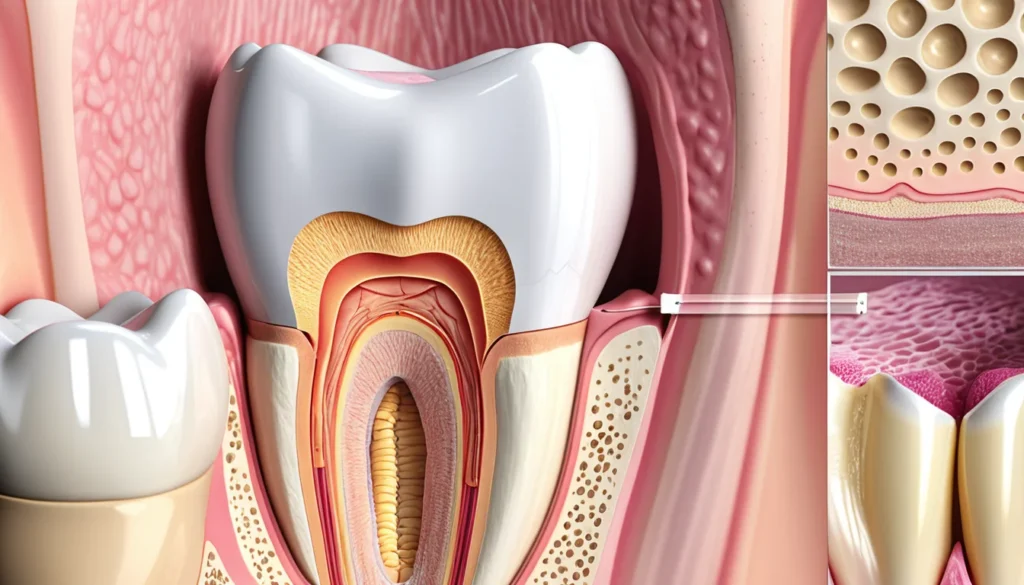
Abrasion is a term used in two important areas of health: dental health and skin care. In dentistry, abrasion refers to the wearing down of tooth surfaces through friction. In dermatology and cosmetic skin care, abrasion describes procedures that remove the outer layer of skin. Understanding both types can help you protect your health and make informed decisions about your care.
What Is Abrasion? A Simple Definition
The word abrasion comes from the Latin word meaning “to scrape away.” In everyday health terms, it simply means the wearing away of a surface — whether that surface is a tooth or your skin.
Both types of abrasion are very common. However, they have different causes, symptoms, and treatments. Knowing the difference helps you understand what your dentist or doctor may be referring to during a check-up.
In Canada, both dental and skin health fall under the general umbrella of preventive care. Your family doctor or dentist can help identify early signs of abrasion before they become serious problems.
Dental Abrasion: When Teeth Wear Down
Dental abrasion happens when tooth enamel or the softer layers beneath it wear away. This wearing down is caused by repeated friction or mechanical forces on the tooth surface. It is different from tooth erosion, which is caused by acids.
Dental abrasion is surprisingly common in Canadian adults. In fact, many people do not even know it is happening until a dentist points it out during a routine exam.
Common Causes of Dental Abrasion
The most common cause of dental abrasion is brushing your teeth too hard. Using a hard-bristled toothbrush makes this problem much worse. Over time, even gentle but repeated friction adds up.
Other common causes include:
Biting your nails regularly
Chewing on pens, pencils, or other hard objects
Using your teeth to open packaging or bottles
Wearing partial dentures that rub against natural teeth
Chewing tobacco or using abrasive substances
Teeth grinding (bruxism), which overlaps with a condition called attrition
Furthermore, some toothpastes marketed as “whitening” or “deep clean” contain more abrasive particles. Used too frequently, these pastes can accelerate tooth surface loss.
Signs and Symptoms of Dental Abrasion
Dental abrasion often develops slowly, so symptoms can be subtle at first. As a result, many people only notice a problem once significant damage has occurred.
Watch for these signs:
Notched or wedge-shaped grooves at the gum line
Tooth sensitivity to hot, cold, or sweet foods and drinks
Teeth that appear shinier or more yellow as enamel thins
Visible flattening of the biting edges of teeth
Discomfort when brushing near the gum line
Tooth sensitivity is often the first sign that something is wrong. However, sensitivity alone can have many causes. Therefore, it is always best to have a dentist take a look.
How Dental Abrasion Is Treated
Treatment depends on how much damage has already occurred. In mild cases, simply changing your habits — like switching to a soft-bristled toothbrush — can stop further damage.
For more significant abrasion, your dentist may recommend:
Dental bonding to fill in notched areas
Tooth-coloured composite resin restorations
Veneers or crowns in more severe cases
Desensitizing toothpaste or fluoride treatments to reduce sensitivity
In addition, your dentist may refer you to a specialist if the abrasion is connected to a jaw or bite issue. The Mayo Clinic’s overview of bruxism and teeth grinding offers helpful background on related conditions.
Skin Abrasion: What Happens When Skin Is Scraped
A skin abrasion is one of the most common minor injuries people experience. It happens when the outer layer of skin — the epidermis — is scraped or rubbed away. Most Canadians have had at least one skin abrasion in their lifetime.
Skin abrasions are sometimes called “road rash,” “rug burn,” or “grazes.” They are not the same as cuts, which go deeper into the skin. However, abrasions can still be painful and carry a small risk of infection if not properly cared for.
Common Causes of Skin Abrasion
Skin abrasions usually happen due to a fall or contact with a rough surface. Active Canadians — especially cyclists, skateboarders, and children at play — are at higher risk. However, abrasions can happen to anyone.
Common causes include:
Falling on pavement, gravel, or rough ground
Sports injuries, especially contact sports or cycling
Friction burns from rope, carpet, or artificial turf
Workplace accidents involving rough surfaces or machinery
How to Treat a Minor Skin Abrasion at Home
Most minor skin abrasions can be treated at home with basic first aid. The goal is to clean the wound, prevent infection, and keep it moist while it heals.
Follow these steps:
Wash your hands before touching the wound.
Rinse the abrasion gently under clean, cool running water.
Remove any visible debris carefully using clean tweezers if needed.
Apply a mild antiseptic to prevent infection.
Cover with a sterile bandage or non-stick dressing.
Change the dressing daily or whenever it becomes wet or dirty.
Keep the area moist with a thin layer of petroleum jelly or antibiotic ointment to reduce scarring.
For more detailed wound care guidance, Healthline’s guide to skin abrasions provides clear, step-by-step instructions.
Skin Abrasion in Dermatology: Cosmetic Exfoliation Procedures
In dermatology and cosmetic skin care, the term abrasion is also used to describe controlled skin exfoliation procedures. These treatments deliberately remove the outer layers of skin to improve its appearance and texture.
These procedures are performed by trained skin care professionals or dermatologists. They are not the same as an accidental injury. Instead, they are carefully controlled to achieve a specific cosmetic result.
Types of Cosmetic Abrasion Procedures
There are several types of cosmetic abrasion procedures available in Canada. The most well-known are microdermabrasion and dermabrasion.
Microdermabrasion is a gentle, non-invasive procedure. It uses a special device to lightly sand the skin’s surface. It is popular for treating dull skin, fine lines, mild acne scars, and uneven skin tone. Recovery time is minimal.
Dermabrasion is a more intensive procedure. A dermatologist uses a rapidly rotating device to remove the outer layers of skin more deeply. It is used for deeper scars, wrinkles, and some skin growths. Recovery takes longer and requires careful aftercare.
In addition, chemical peels use acidic solutions rather than physical abrasion to achieve similar results. However, these are technically a different category of treatment.
Who Might Benefit From Cosmetic Abrasion?
Cosmetic abrasion procedures may benefit people who have:
Acne scars or post-inflammatory skin changes
Fine lines and early wrinkles
Sun damage or uneven skin tone
Rough or dull skin texture
Certain benign skin lesions, as determined by a dermatologist
However, these procedures are not suitable for everyone. People with active acne, rosacea, certain skin conditions, or those taking specific medications may not be good candidates. Always consult a qualified professional before booking any cosmetic skin treatment.
The Health Canada cosmetics and skin products information page offers guidance on understanding the safety of cosmetic procedures and products in Canada.
Preventing Abrasion: Practical Tips for Canadians
Prevention is always better than treatment. Fortunately, both dental and skin abrasion are largely preventable with some simple lifestyle adjustments.
Preventing Dental Abrasion
Your daily oral hygiene habits have a big impact on your dental health. Small changes can make a real difference over the long term.
Use a soft-bristled toothbrush and replace it every three months.
Brush with gentle, circular motions — not harsh back-and-forth scrubbing.
Choose a toothpaste with a low abrasiveness rating (your dentist can advise).
Avoid using your teeth as tools to open packages or bottles.
If you grind your teeth at night, ask your dentist about a custom night guard.
Visit your dentist for a check-up at least once a year, as recommended under most provincial dental benefit programmes.
Preventing Skin Abrasion
Most skin abrasions happen during physical activity or accidents. Therefore, protective gear is your best defence.
Wear appropriate protective gear for sports — helmets, knee pads, elbow pads, and gloves.
Choose proper footwear for your activity to reduce the chance of falls.
Be mindful of slippery surfaces, especially in winter conditions common across Canada.
In workplace settings, follow all safety protocols and wear required protective equipment.
When to See a Doctor
Many cases of abrasion — both dental and skin-related — can be managed at home or with a routine dental visit. However, some situations do require professional medical attention.
For a skin abrasion, visit a walk-in clinic or your family doctor if you notice:
Signs of infection, such as increasing redness, swelling, warmth, or pus
A fever developing after the injury
The wound is deep, large, or does not stop bleeding
Debris that cannot be safely removed at home
The injury was caused by something rusty or dirty (tetanus risk)
The wound is on the face or involves a joint
For dental abrasion, book an appointment with your dentist if you experience tooth sensitivity, notice visible notching near the gum line, or suspect your enamel is wearing down. Many provincial dental insurance programmes — including those offered through employers or government assistance plans — cover diagnostic exams and basic restorative work.
If you are unsure whether your symptoms need attention, do not hesitate to call your provincial health line. In most provinces, registered nurses are available 24 hours a day to help you decide whether you need to visit a walk-in clinic or emergency department. As always, your family doctor is your best first point of contact for ongoing health concerns.
Frequently Asked Questions About Abrasion
What is the difference between a skin abrasion and a cut?
A skin abrasion scrapes away the outer layer of skin without cutting deeply into the tissue. A cut (laceration) breaks through the skin more deeply and often requires different treatment. Abrasions tend to be broader and shallower, while cuts are narrower and deeper.
How long does a skin abrasion take to heal?
Most minor skin abrasions heal within one to two weeks with proper care. Keeping the abrasion clean, moist, and covered helps it heal faster and reduces the risk of scarring. Larger or deeper abrasions may take longer and should be assessed by a doctor.
Can dental abrasion be reversed?
Unfortunately, dental abrasion cannot be reversed because lost tooth enamel does not grow back. However, a dentist can stop further damage by addressing the cause and restore affected teeth using dental bonding or other restorative treatments. Early detection is key to preventing serious damage.
Is microdermabrasion safe?
Microdermabrasion is generally considered safe when performed by a trained professional. It is a non-invasive cosmetic abrasion procedure with minimal side effects and a short recovery time. However, it may not be suitable for people with certain skin conditions, so always consult a dermatologist first.
Should I cover a skin abrasion or let it air out?
Modern wound care research suggests that keeping a skin abrasion covered and moist leads to faster healing than letting it dry out and scab over. Use a clean bandage and a thin layer of petroleum jelly or antibiotic ointment. Change the dressing daily to keep the area clean.
What causes tooth abrasion near the gum line?
Tooth abrasion near the gum line is most commonly caused by brushing too hard or using a hard-