Ablepharon is a rare congenital condition in which a person is born with partially or completely absent eyelids. It is present from birth and can affect one or both eyes. This article explains what ablepharon is, what causes it, how it is diagnosed, and what treatment options are available to Canadians living with this condition.
What Is Ablepharon?
Ablepharon — also spelled ablepharia — comes from the Greek word meaning “without eyelids.” It describes the total or partial absence of one or both eyelids at birth. This is a structural malformation that develops while a baby grows in the womb.
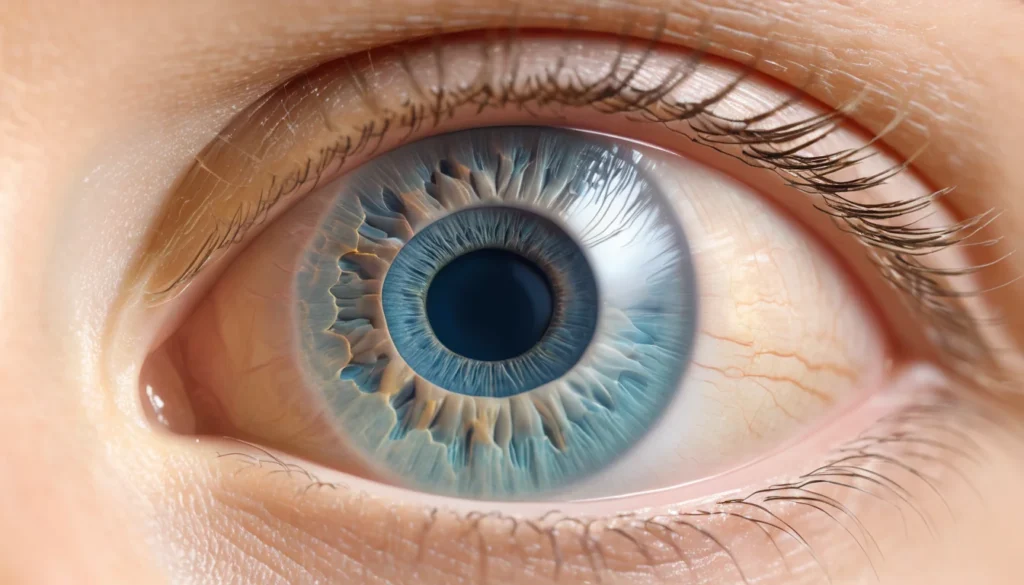
The eyelids serve a vital protective role. They keep the surface of the eye moist, shield it from dust and debris, and help regulate light entering the eye. When eyelids are absent or underdeveloped, the eye is left exposed and vulnerable to serious damage.
Ablepharon is considered an extremely rare condition. Because of this, many Canadians — including some healthcare providers — may never encounter it directly. However, understanding it can make a meaningful difference for affected families.
How Ablepharon Develops: Causes and Risk Factors
Ablepharon is a congenital malformation, meaning it occurs during fetal development. The eyelids normally begin forming around the fifth or sixth week of pregnancy. A disruption in this process can result in partial or complete absence of the eyelids.
In many cases, ablepharon is linked to genetic factors. It can appear as part of a broader genetic syndrome. For example, Ablepharon-Macrostomia Syndrome (AMS) is one recognized condition where absent or underdeveloped eyelids occur alongside a wide mouth and other facial differences.
Genetic Connections
Research has identified mutations in the TWIST2 gene as one cause of Ablepharon-Macrostomia Syndrome. This gene plays a role in the development of connective tissue throughout the body. A mutation here can disrupt normal eyelid formation during pregnancy.
In some cases, ablepharon occurs without any clear genetic cause. Environmental factors during pregnancy, such as certain infections or exposures, may also play a role. However, scientists continue to study these possible connections.
Most cases do not result from anything a parent did or did not do during pregnancy. It is important for families to understand that this condition is not caused by lifestyle choices.
Who Is at Risk?
Because ablepharon is so rare, it is difficult to identify specific risk factors with certainty. A family history of related genetic syndromes may increase the likelihood. Genetic counselling is available across Canada and can help families understand their personal risk.
If you have a family history of rare congenital eye or facial conditions, speaking with your family doctor or a genetics specialist is a wise first step. Many provincial health plans in Canada cover referrals to genetic counselling services.
Recognizing the Symptoms of Ablepharon
Ablepharon is usually identified at or shortly after birth. The most obvious sign is the visible absence or underdevelopment of one or both eyelids. However, the condition can present in different ways depending on its severity.
Physical Signs in Newborns
In complete ablepharon, the eyelid tissue is entirely missing. In partial forms, a small fold of skin may be present but does not fully cover the eye. The eye may appear constantly open, even when the baby is trying to sleep.
Because the eye cannot close properly, the cornea — the clear front surface of the eye — is at high risk of drying out. This can lead to a condition called exposure keratopathy, where the cornea becomes damaged from lack of moisture and protection.
Associated Symptoms
Depending on whether ablepharon is part of a broader syndrome, other symptoms may be present. These can include:
A wider than normal mouth (macrostomia)
Underdeveloped or absent eyebrows and eyelashes
Skin that appears redundant or loose around the face
Ear abnormalities
Genital differences
Absent or underdeveloped nipples
Not every person with ablepharon will have all of these features. The condition exists on a spectrum, and each case is unique. Therefore, a thorough medical evaluation is always necessary.
Diagnosing Ablepharon in Canada
Diagnosis of ablepharon is typically made by a medical team shortly after birth. A neonatologist, ophthalmologist, or pediatrician will examine the newborn’s eyes and facial structure. The visible absence of eyelids is usually the first sign that prompts further investigation.
Prenatal Detection
In some cases, ablepharon may be suspected before birth. A detailed prenatal ultrasound — sometimes called a level 2 or anatomy ultrasound — may reveal abnormal facial features. However, eyelid abnormalities are not always visible on ultrasound.
If a genetic syndrome is suspected prenatally, amniocentesis or chorionic villus sampling (CVS) may be offered. These tests look for chromosomal or genetic changes. Your obstetrician can discuss whether these tests are appropriate for your situation.
Genetic Testing After Birth
After birth, genetic testing is often recommended to confirm whether ablepharon is isolated or part of a syndrome. Blood or saliva samples can be analyzed to look for known gene mutations. This information helps guide treatment planning and gives families important answers.
In Canada, genetic testing is generally covered under provincial health plans when ordered by a specialist. Your family doctor can arrange a referral to a genetics clinic or a pediatric ophthalmology centre. Major children’s hospitals in cities like Toronto, Vancouver, Calgary, and Montreal offer these specialized services.
For more information on rare congenital eye conditions, the World Health Organization provides guidance on vision impairment and eye health.
Treatment Options for Ablepharon
Treating ablepharon requires a team approach. An ophthalmologist, plastic surgeon, and pediatrician typically work together. The main goals of treatment are to protect the eye, preserve vision, and improve appearance and function.
Immediate Eye Protection
Protecting the cornea is the most urgent priority. Without proper eyelid coverage, the eye can dry out quickly and suffer permanent damage. Treatment in the newborn period often includes:
Frequent application of lubricating eye drops or ointments
Moisture chambers or protective eye dressings
Temporary suturing of the eyelids (called tarsorrhaphy) to partially close the eye
Close monitoring by an ophthalmologist
These measures help keep the eye surface moist and protected while longer-term surgical options are planned. In addition, parents and caregivers receive detailed guidance on how to care for the eye at home.
Surgical Reconstruction
Surgery is the primary long-term treatment for ablepharon. Reconstructive surgery aims to create functional eyelids that can open and close properly. Surgeons may use tissue grafts taken from other areas of the body, such as the ear or inner mouth, to build new eyelid structures.
The timing and complexity of surgery depend on the severity of the condition. Some children require multiple surgeries over several years. Surgeons carefully balance the need for early intervention with the child’s overall development and growth.
Furthermore, if ablepharon is part of a broader syndrome, other surgeries — such as correcting a wide mouth or ear abnormalities — may also be planned. A coordinated surgical team ensures that all aspects of care are addressed in a logical order.
Ongoing Vision Care
Even after successful surgery, children with a history of ablepharon need regular eye checkups. The cornea may have sustained some damage before or during early treatment. As a result, vision problems such as amblyopia (lazy eye) or corneal scarring may develop over time.
Glasses, contact lenses, or patching therapy may be needed as the child grows. Annual visits to a pediatric ophthalmologist are strongly recommended. Mayo Clinic offers helpful information on amblyopia and how it is treated in children.
Living With Ablepharon: Support for Families
Receiving a diagnosis of ablepharon can be overwhelming for parents and families. It is completely normal to feel anxious, confused, or uncertain about the future. However, with the right medical team and support, most children go on to live full and healthy lives.
Emotional and Psychological Support
Parents of children with visible facial differences may benefit from counselling or peer support groups. Many Canadian hospitals offer social work services and connect families with community resources. Talking to other parents who have navigated similar experiences can be incredibly helpful.
Children growing up with facial differences may also benefit from psychological support as they reach school age. Building strong self-esteem and resilience early in life makes a meaningful difference. Many school boards across Canada have resources to support children with medical differences.
Navigating the Canadian Healthcare System
Managing a rare condition like ablepharon often means coordinating care across several specialists. Your family doctor plays a central role in this process. They can coordinate referrals, communicate between specialists, and provide ongoing support for the whole family.
Provincial health plans generally cover medically necessary specialist visits and surgeries. If you are unsure what is covered in your province, contacting your provincial health authority or calling 811 (Health Link in many provinces) can provide clear guidance.
For additional information on navigating health services in Canada, Health Canada provides a helpful overview of the Canadian healthcare system.
When to See a Doctor
If your newborn appears to have absent or underdeveloped eyelids, seek medical attention immediately. Do not wait for a scheduled appointment. Go directly to your nearest emergency department or contact your family doctor right away.
Early intervention is critical to protecting the baby’s vision. The cornea can sustain damage within hours if left unprotected. A prompt evaluation by a pediatric ophthalmologist can make a significant difference in long-term outcomes.
For parents who notice any unusual eye appearance in their child — even something subtle — it is always appropriate to bring it up with your family doctor or visit a walk-in clinic. You know your child best, and it is always better to ask than to wait.
If you are pregnant and have a known family history of genetic syndromes involving the eyes or face, speak with your obstetrician early in your pregnancy. They can arrange appropriate prenatal screening and refer you to a maternal-fetal medicine specialist if needed.
Always consult a qualified healthcare professional for medical advice specific to your situation. The information in this article is intended for general educational purposes only and does not replace professional medical guidance.
Frequently Asked Questions About Ablepharon
What is ablepharon?
Ablepharon is a rare congenital condition in which a baby is born with partially or completely absent eyelids. It is present from birth and can affect one or both eyes. Without eyelids, the surface of the eye is exposed and requires immediate medical attention to prevent permanent damage.
What causes ablepharon?
Ablepharon is caused by a disruption in eyelid development during fetal growth, often linked to genetic mutations. In some cases, it is part of a broader genetic syndrome such as Ablepharon-Macrostomia Syndrome. Environmental factors during pregnancy may also play a role, though the exact cause is not always identified.
Can ablepharon be treated?
Yes, ablepharon can be treated through a combination of immediate eye protection and reconstructive surgery. The goal of treatment is to create functional eyelids that protect the eye and preserve vision. Most children require ongoing care from an ophthalmologist and may need multiple surgeries over time.
Is ablepharon hereditary?
Ablepharon can be hereditary when it is linked to a specific gene mutation, such as those found in Ablepharon-Macrostomia Syndrome. However, not all cases have a clear genetic cause. Families with a history of the condition are encouraged to pursue genetic counselling, which is available through referral from a family doctor across Canada.
How rare is ablepharon?
Ablepharon is an extremely rare condition, with only a small number of cases reported in medical literature worldwide. Because it is so rare, many healthcare providers may not have encountered it directly. If you suspect your child may have this condition, ask for a referral to a pediatric ophthalmologist or a genetics specialist as soon as possible.
Will my child have normal vision if they have ablepharon?
With prompt treatment, many children with ablepharon can retain functional vision. However, damage to the cornea from early exposure can lead to vision problems such as amblyopia or corneal scarring. Regular follow-up with a pediatric ophthalmologist is essential to monitor and protect your child’s long-term vision.
Key Takeaways
Ablepharon is a rare congenital condition involving the partial or complete absence of eyelids at birth. It is caused by disruptions in fetal development and may be linked to genetic mutations or broader syndromes. The most urgent concern is protecting the exposed cornea from drying out and sustaining permanent damage. Treatment involves immediate eye protection measures and, in most cases, reconstructive surgery to build functional eyelids. Children with ablepharon need ongoing eye care throughout childhood to protect their vision. Canadian families can access specialist care — including pediatric ophthalmology and genetics services — through provincial health plans with a referral from their family doctor. Emotional and psychological support is available for both children and parents through hospital social work services and community organizations. Always speak with your family doctor