Your abductor muscles are some of the hardest-working muscles in your body. They control the movement of pulling a limb away from the centre of your body — a motion called abduction. These muscles play a key role in walking, running, standing, and staying balanced. In this article, we cover what abductor muscles are, where they are located, how they work, and how to keep them healthy.
What Are Abductor Muscles?
An abductor muscle is any muscle that performs abduction. Abduction simply means moving a body part away from the midline of your body. For example, when you lift your arm out to the side or swing your leg outward, you are using your abductor muscles.
These muscles work in pairs with their opposites, called adductor muscles. Adductors pull limbs back toward the centre of the body. Together, abductors and adductors give you smooth, controlled movement throughout your day.
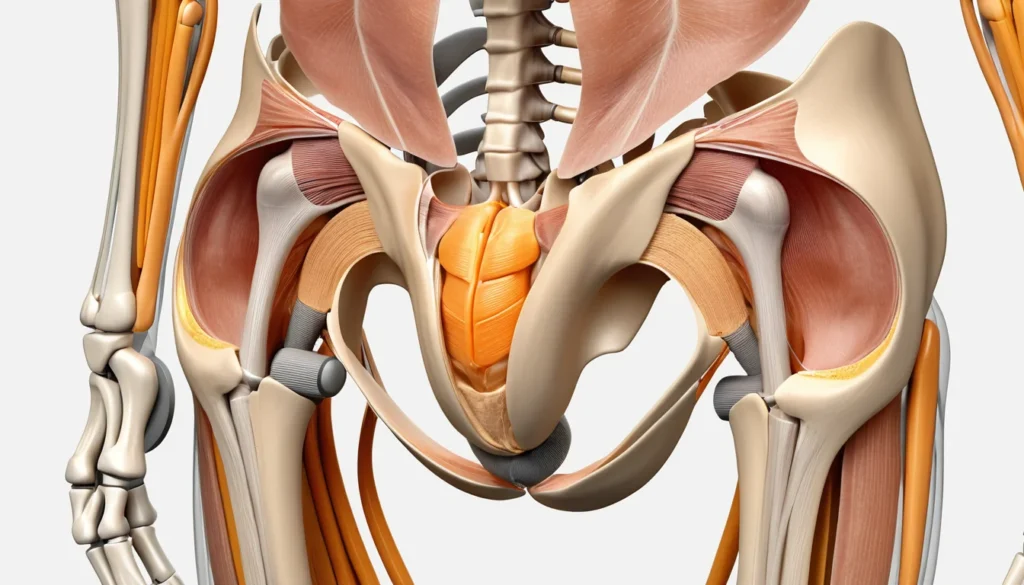
Abductor muscles are found in several areas of the body. However, the most important and well-known group is located in the hip region. Strong abductor muscles support your hips, protect your knees, and help prevent injury during physical activity.
Where Are the Main Abductor Muscles Located?
The body has abductor muscles in multiple areas, including the hips, shoulders, and hands. Each group plays a specific role in movement and stability.
Hip Abductor Muscles
The hip abductors are the largest and most important group of abductor muscles. They sit on the outer side of your hip and upper thigh. These muscles include the gluteus medius, the gluteus minimus, and the tensor fasciae latae (TFL).
The gluteus medius is especially important. It stabilises your pelvis when you walk or stand on one foot. Without it, your hip would drop to one side with every step. This muscle is a key target in physiotherapy and injury rehabilitation programmes across Canada.
The TFL is a smaller muscle on the outer hip. It connects to the iliotibial (IT) band, a thick band of tissue running down the outside of your thigh. Tightness in the TFL is a common cause of knee and hip pain in active people.
Shoulder Abductor Muscles
In the shoulder, the deltoid muscle and the supraspinatus are the main abductors. They allow you to raise your arm out to the side and above your head. The supraspinatus is part of the rotator cuff, a group of muscles that stabilise the shoulder joint.
Shoulder abductor injuries are common among Canadians who do overhead work or play sports like volleyball, swimming, or tennis. Therefore, keeping these muscles strong and flexible is essential for long-term shoulder health.
Hand and Finger Abductor Muscles
Smaller abductor muscles also exist in your hands. The abductor pollicis moves your thumb away from your fingers. The abductor digiti minimi moves your little finger outward. These muscles are critical for fine motor tasks like gripping, writing, and typing.
How Do Abductor Muscles Work?
Your abductor muscles work by contracting to pull a limb away from your body’s midline. This seems simple, but their role in daily movement is far more complex. They act as both primary movers and stabilisers depending on the activity.
For example, during walking, your hip abductors do not just move your leg sideways. They also hold your pelvis level so you do not sway or limp. This stabilising function is what makes them so important for balance and posture.
Furthermore, abductor muscles work together with the core muscles and lower back to control your entire lower body. When one group is weak, others must compensate. This compensation often leads to pain and injury over time.
The Role of Abductors in Everyday Movement
You use your abductor muscles constantly without realising it. Getting out of a car, climbing stairs, and even standing still all require your abductors to fire. Athletes use these muscles heavily in sports that involve lateral movement, such as hockey, basketball, and soccer — all popular sports in Canada.
In addition, strong hip abductors reduce stress on the knee joint. Research shows that weakness in these muscles is linked to conditions like patellofemoral pain syndrome (runner’s knee) and iliotibial band syndrome. Therefore, abductor strength is a common focus in sports medicine and physiotherapy.
Common Abductor Muscle Injuries and Conditions
Abductor muscle injuries can affect people of all ages and activity levels. They range from mild strains to more serious tears. Understanding the most common problems can help you catch issues early.
Hip Abductor Strain or Tear
A strain happens when the muscle fibres are overstretched or partially torn. A tear is a more serious injury where fibres fully separate. Both can cause pain on the outer hip, weakness when lifting the leg, and difficulty walking.
Hip abductor strains are common in runners, cyclists, and older adults. However, they can happen to anyone who suddenly increases physical activity. Rest, ice, and physiotherapy are the usual first steps in treatment.
Gluteus Medius Tendinopathy
Tendinopathy refers to degeneration or irritation of the tendon that attaches the gluteus medius to the hip bone. It causes pain on the outer hip, especially when walking, climbing stairs, or lying on the affected side. This condition is more common in women over 40 and in runners.
According to Mayo Clinic, tendon conditions respond well to a structured exercise rehabilitation programme. Your family doctor or physiotherapist can guide you through the right exercises for recovery.
IT Band Syndrome
Iliotibial band syndrome causes pain on the outer knee. It happens when the IT band — which connects to the TFL abductor muscle — becomes tight and inflamed. It is one of the most common overuse injuries in runners and cyclists.
Foam rolling, stretching, and hip abductor strengthening exercises are the most effective ways to manage IT band syndrome. In some cases, a physiotherapist may recommend orthotics or a gait analysis to identify the root cause.
Rotator Cuff Injuries in the Shoulder
The supraspinatus, one of the shoulder’s abductor muscles, is the most commonly injured part of the rotator cuff. Tears can result from a sudden injury or from years of wear and tear. Symptoms include shoulder weakness, pain when lifting the arm, and a catching sensation in the joint.
Rotator cuff injuries are a leading reason Canadians visit walk-in clinics and orthopedic specialists. Healthline’s guide on rotator cuff injuries provides a helpful overview of symptoms and treatment options.
How to Strengthen Your Abductor Muscles
Keeping your abductor muscles strong is one of the best things you can do for your overall movement health. Fortunately, you do not need a gym membership or special equipment to start. Many effective exercises can be done at home.
Hip Abductor Exercises
The following exercises target the hip abductors, particularly the gluteus medius and TFL. Start with 2 sets of 10 to 15 repetitions and build up gradually.
Side-lying leg raises: Lie on your side with your legs straight. Slowly lift the top leg to about 45 degrees, then lower it with control. This directly targets the gluteus medius.
Clamshells: Lie on your side with knees bent at 90 degrees. Keep your feet together and lift the top knee like a clamshell opening. This is excellent for hip stability.
Standing hip abduction: Stand next to a wall for balance. Slowly lift one leg out to the side, keeping your body upright. Lower with control and repeat.
Lateral band walks: Place a resistance band around your ankles. Bend your knees slightly and step sideways, keeping tension on the band. This is a favourite in physiotherapy programmes.
Single-leg glute bridges: Lie on your back with knees bent. Lift one leg straight out, then press through the other heel to raise your hips. This challenges both the glutes and hip abductors.
Shoulder Abductor Exercises
To keep your shoulder abductors strong and healthy, try these simple exercises. Use light weights to begin, especially if you are new to resistance training.
Lateral raises: Hold a light dumbbell in each hand. Raise both arms out to the side until they reach shoulder height. Lower slowly. This targets the deltoid muscle.
Empty can exercise: Hold your arms out at 30 degrees in front of you with thumbs pointing down. Raise them to shoulder height and lower. This targets the supraspinatus.
Resistance band pull-aparts: Hold a resistance band in front of you with both hands. Pull the band apart by moving your arms out to the sides. This strengthens the rear shoulder and rotator cuff.
Tips for Safe and Effective Training
Always warm up before exercising your abductor muscles. A five-minute walk or light cardio session prepares your muscles and reduces the risk of injury. In addition, focus on controlled movements rather than speed or heavy resistance.
If you feel sharp or persistent pain during any exercise, stop immediately. Pain is a signal that something is wrong. A registered physiotherapist or kinesiologist can assess your movement patterns and create a safe programme tailored to your needs.
Abductor Muscle Health and Ageing
As Canadians age, muscle mass naturally declines — a process called sarcopenia. The hip abductors are particularly affected. Weakness in these muscles contributes to falls, instability, and reduced quality of life in older adults.
According to the Health Canada physical activity guidelines, adults over 65 should aim for at least 150 minutes of moderate activity per week, plus muscle-strengthening activities at least twice a week. Including hip abductor exercises in your routine is a practical way to meet these goals.
Furthermore, strong abductor muscles reduce the risk of hip fractures, which are a major health concern for older Canadians. Investing in abductor strength now pays dividends in mobility and independence later in life.
When to See a Doctor
Most mild abductor muscle pain improves with rest, ice, and gentle stretching within a few days. However, some symptoms need professional attention. See your family doctor or visit a walk-in clinic if you experience any of the following:
Pain that does not improve after one to two weeks of rest
Severe weakness or inability to lift your leg or arm
Swelling, bruising, or a visible deformity near the muscle
Pain that wakes you up at night
A popping or snapping sensation at the time of injury
Difficulty walking or bearing weight on the affected limb
Your family doctor can refer you to a physiotherapist, sports medicine physician, or orthopedic specialist if needed. In Canada, many of these services are covered in part or in full under provincial health plans, depending on your province. Always consult a qualified healthcare provider before starting any new exercise programme, especially if you have an existing injury or health condition.
Frequently Asked Questions About Abductor Muscles
What do abductor muscles do?
Abductor muscles move a limb away from the centre of your body. For example, your hip abductor muscles lift your leg out to the side and stabilise your pelvis when you walk. These muscles are essential for balance, posture, and everyday movement.
Where are the abductor muscles located?
The main abductor muscles are found in the hip, shoulder, and hand. The hip abductors — including the gluteus medius and gluteus minimus — are the largest and most important group. Shoulder abductors like the deltoid and supraspinatus allow you to lift your arm to the side.
What causes abductor muscle pain?
Abductor muscle pain is often caused by overuse, a sudden strain, or weakness in the surrounding muscles. Common causes include gluteus medius tendinopathy, IT band syndrome, and hip abductor tears. Poor posture and sitting for long periods can also contribute to tightness and discomfort in these muscles.
How do I strengthen my abductor muscles at home?
You can strengthen your abductor muscles at home with exercises like side-lying leg raises, clamshells, and standing hip abductions. No special equipment is needed to start. Aim for two to three sessions per week and increase the difficulty gradually as your strength improves.
Can weak abductor muscles cause knee pain?
Yes, weak hip abductor muscles are a known contributor to knee pain. When the hip abductors cannot stabilise the pelvis properly, extra stress is placed on the knee joint. This is a common cause of runner’s knee and IT band syndrome, particularly in active individuals.
When should I see a doctor for abductor muscle pain?
You should see your family doctor or visit a walk-in clinic if your abductor muscle pain does not improve after one to two weeks, or if you notice significant weakness, swelling, or difficulty walking. Prompt assessment ensures you get the right treatment and avoid making the injury worse.
Key Takeaways
Abductor muscles move limbs away from the body’s midline and play a vital role in balance and movement. The most important group is the hip ab