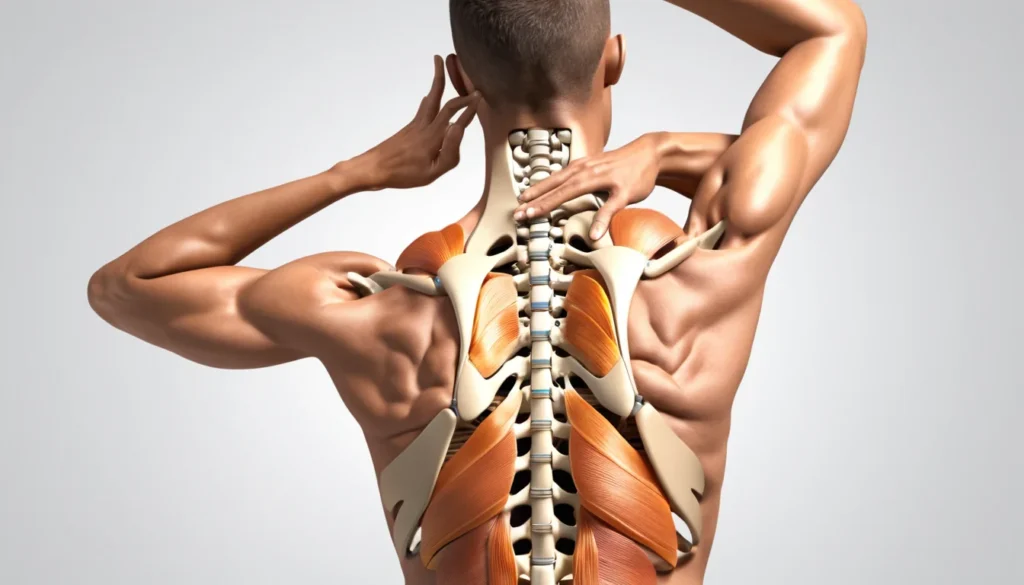
Abduction movement is the motion that moves a limb away from the midline of your body. For example, raising your arm out to the side or spreading your legs apart are both abduction movements. Understanding how this motion works can help you protect your joints, recover from injury, and stay active throughout your life. This article explains what abduction movement is, why it matters, and when you should speak with a healthcare provider.
What Is Abduction Movement?
In simple terms, abduction movement means moving a body part away from the centre of your body. The word comes from the Latin abducere, meaning “to lead away.” Think of it as the opposite of pulling something toward you.
This motion happens at several joints in your body. Your shoulders, hips, fingers, and toes all perform abduction. For example, when you lift your arm straight out to the side, your shoulder joint is performing abduction.
The opposite motion is called adduction. Adduction brings the limb back toward the midline. Together, abduction and adduction form one of the key movement pairs that allow your body to move freely in daily life.
How Abduction Movement Works in the Body
Your muscles, tendons, and joints all work together to create abduction. Specific muscles called abductors are responsible for pulling a limb away from the body’s centre. These muscles contract and generate the force needed for the movement.
In the shoulder, the deltoid muscle and the supraspinatus (part of the rotator cuff) are the main abductors. They allow you to raise your arm above your head. In the hip, the gluteus medius and gluteus minimus muscles drive abduction, helping you walk and maintain balance.
Therefore, when these muscles are weak or injured, abduction becomes difficult or painful. This can affect your ability to walk, reach, or perform everyday tasks. Strengthening your abductor muscles is a key part of many physiotherapy programmes.
Abduction in the Shoulder Joint
The shoulder is one of the most mobile joints in the human body. It can perform abduction across a wide range of motion — from zero degrees (arm at your side) to about 180 degrees (arm fully raised overhead). This wide range makes the shoulder very useful but also vulnerable to injury.
Shoulder abduction involves a complex sequence of muscle actions. The rotator cuff muscles stabilise the joint while the deltoid lifts the arm. If any part of this system breaks down, you may feel pain or weakness when lifting your arm to the side.
Common shoulder problems that affect abduction include rotator cuff tears, shoulder impingement, and frozen shoulder (also called adhesive capsulitis). These conditions are treatable, and early care leads to better outcomes. Learn more about rotator cuff injuries at Mayo Clinic.
Abduction in the Hip Joint
Hip abduction is essential for walking, running, climbing stairs, and maintaining your balance. When you take a step to the side or get out of a car, your hip abductors are doing the work. These muscles also keep your pelvis level when you walk.
Weak hip abductors are a common problem, especially in people who sit for long periods. As a result, weakness in this area can lead to knee pain, lower back pain, and poor posture. Hip abductor exercises are often recommended in physiotherapy and active rehabilitation programmes across Canada.
Why Abduction Movement Matters for Your Health
Good abduction function is closely tied to your overall mobility and independence. When abduction movements are limited or painful, daily activities become harder. Simple tasks like putting on socks, reaching for objects, or walking on uneven ground can become challenging.
Furthermore, abduction strength plays a big role in preventing injuries. Strong hip abductors help protect your knees and lower back during physical activity. Strong shoulder abductors reduce the risk of shoulder injuries during overhead work or sports.
Maintaining healthy abduction movement becomes even more important as you age. Loss of mobility in the hips and shoulders is a leading contributor to falls and reduced quality of life in older Canadians. Regular movement, stretching, and strengthening exercises can help preserve this function over time.
Abduction Movement and Injury Recovery
After a joint injury or surgery, restoring abduction movement is often one of the first goals of rehabilitation. Physiotherapists in Canada frequently use targeted exercises to help patients regain their range of motion and strength.
For example, after a hip replacement, patients are typically given exercises to gently restore hip abduction. After shoulder surgery, controlled abduction exercises help rebuild strength in the rotator cuff and deltoid muscles. These programmes are carefully designed to protect healing tissue while gradually restoring function.
In addition, physiotherapy often includes education about safe body mechanics. Learning how to move correctly during abduction reduces the risk of re-injury. If you are recovering from a joint injury, always follow the plan given to you by your healthcare provider or physiotherapist.
Common Conditions That Affect Abduction Movement
Several health conditions can limit or change your abduction movement. Understanding these conditions can help you seek the right care early.
Rotator cuff injury: Tears or inflammation in the shoulder’s rotator cuff can cause pain and weakness during shoulder abduction.
Hip osteoarthritis: Cartilage breakdown in the hip joint can make abduction stiff and painful over time.
Bursitis: Inflammation of the fluid-filled sacs (bursae) near joints can restrict abduction in the shoulder or hip.
Frozen shoulder: This condition causes the shoulder capsule to tighten, severely limiting abduction range of motion.
IT band syndrome: Tightness in the iliotibial band can affect hip abductor function and lead to knee and hip pain.
Stroke or neurological conditions: Damage to the nervous system can weaken or alter abduction movements on one or both sides of the body.
Many of these conditions respond well to treatment. However, early diagnosis and management lead to better long-term outcomes. If you notice persistent pain or stiffness during abduction movements, it is worth getting checked out. Read more about abduction and adduction at Healthline.
Exercises to Improve Abduction Movement
Staying active is one of the best ways to maintain healthy abduction movement. Many simple exercises can strengthen your abductor muscles and keep your joints flexible. Always warm up before exercising and stop if you feel sharp pain.
Hip Abduction Exercises
Side-lying leg raises are one of the most effective exercises for the hip abductors. Lie on your side with your legs straight, then slowly lift the top leg upward. Hold for a moment, then lower it back down. Repeat 10 to 15 times on each side.
Clamshells are another popular hip abductor exercise. Lie on your side with your knees bent and feet together. Open your top knee like a clamshell while keeping your feet touching. This targets the gluteus medius, a key muscle for hip stability and abduction.
Standing side leg raises can be done while holding a wall or chair for balance. Slowly lift one leg out to the side, keeping your toes pointing forward. This strengthens the hip abductors and also improves balance. It is a great exercise for older adults looking to reduce their fall risk.
Shoulder Abduction Exercises
Lateral raises with light dumbbells or resistance bands are a classic shoulder abduction exercise. Stand upright and slowly raise both arms out to the side until they reach shoulder height. Lower them slowly and repeat 10 to 12 times. Keep the movement controlled to protect the rotator cuff.
Wall slides are a gentler option for those with shoulder pain or recovering from injury. Stand with your back against a wall, arms at your sides with elbows bent at 90 degrees. Slowly slide your arms upward along the wall, then bring them back down. This exercise improves shoulder mobility and strengthens the abductor muscles gently.
If you are unsure which exercises are right for you, ask your family doctor for a referral to a physiotherapist. Physiotherapy is covered under many provincial health plans across Canada, though coverage varies by province.
When to See a Doctor
You should speak with a healthcare provider if you experience pain, stiffness, or weakness during abduction movement that does not improve within a few days. This is especially important if the pain follows an injury or accident.
Visit your family doctor or a walk-in clinic if you notice any of the following:
Pain in your shoulder or hip when lifting your arm or leg to the side
A noticeable decrease in your range of motion during abduction
Swelling, bruising, or tenderness around a joint
Muscle weakness that is getting worse over time
A clicking, popping, or grinding sensation during abduction movement
Difficulty with daily tasks such as walking, dressing, or reaching
Your family doctor can assess your joint function, order imaging if needed, and refer you to a physiotherapist or specialist. Walk-in clinics are also a convenient option for non-emergency concerns. Many provinces offer direct access to physiotherapy through their health plans, so ask about your options. Find out more about accessing health care services through Health Canada.
As always, this article is for general information only. Please consult your doctor or a qualified healthcare professional for advice tailored to your personal health situation.
Frequently Asked Questions About Abduction Movement
What is abduction movement in anatomy?
Abduction movement in anatomy refers to moving a limb or body part away from the midline of the body. For example, raising your arm out to the side is a shoulder abduction movement. It is the opposite of adduction, which brings the limb back toward the body’s centre.
What muscles are used in abduction movement?
The muscles used depend on which joint is performing the abduction movement. In the shoulder, the deltoid and supraspinatus muscles are the primary abductors. In the hip, the gluteus medius and gluteus minimus are the main muscles responsible for abduction.
What is the difference between abduction and adduction?
Abduction movement moves a limb away from the centre of the body, while adduction moves it back toward the centre. Think of abduction as opening and adduction as closing. Both movements work together to give your joints their full range of motion.
Can weak abductor muscles cause back or knee pain?
Yes, weak abductor muscles — especially in the hip — are a common cause of lower back pain and knee pain. When your hip abductors cannot support your pelvis properly during walking or running, other muscles and joints compensate. Strengthening these muscles through exercise can help reduce pain and improve your overall movement.
When should I see a doctor about pain during abduction movement?
You should visit your family doctor or a walk-in clinic if pain during abduction movement lasts more than a few days, follows an injury, or affects your daily activities. Sudden or severe pain warrants prompt attention. Early treatment usually leads to a faster and more complete recovery.
Is physiotherapy covered in Canada for abduction movement problems?
Physiotherapy coverage in Canada varies by province and territory. Some provincial health plans cover physiotherapy in certain situations, such as after surgery or for specific conditions. Many Canadians also access physiotherapy through workplace benefits or private insurance. Ask your family doctor what options are available to you.
Key Takeaways
Abduction movement is the motion that moves a limb away from the midline of your body.
It occurs at several joints, including the shoulder, hip, fingers, and toes.
Key muscles involved include the deltoid and supraspinatus in the shoulder, and the gluteus medius in the hip.
Strong abductor muscles help protect your knees, lower back, and balance.
Many common conditions — including rotator cuff injury, hip arthritis, and bursitis — can limit abduction movement.
Regular exercise and physiotherapy can help maintain and restore healthy abduction function.
If you experience persistent pain or stiffness during abduction, speak with your family doctor or visit a walk-in clinic.
Always consult a qualified healthcare professional before starting a new exercise programme, especially if you have an existing condition.