Abdominal pain causes range from mild indigestion to serious medical emergencies, making it one of the most common reasons Canadians visit their family doctor or a walk-in clinic. This type of pain refers to any discomfort felt between the chest and the pelvis — the area most people simply call the stomach or belly. Whether your pain is sharp, dull, short-lived, or ongoing for weeks, understanding what is behind it is the first step toward relief.
Common Abdominal Pain Causes Every Canadian Should Know
Recognizing different stomach pain symptoms can help you and your healthcare provider determine the right course of action. In many cases, abdominal discomfort is not serious and resolves on its own. However, certain warning signs demand immediate medical attention. In this article, we break down the different types of abdominal pain, explore the most common causes Canadians should know about, and explain exactly when you should seek help.
What Is Abdominal Pain?
Common Abdominal Pain Causes: Types, Characteristics, and When to Seek Care
| Type of Abdominal Pain | Common Causes & Characteristics | Severity Level | Recommended Action |
|---|---|---|---|
| Sharp, sudden pain (upper right) | Gallstones or gallbladder inflammation; often triggered by fatty meals; may radiate to shoulder or back | Moderate to Severe | See a doctor within 24 hours; go to emergency if accompanied by fever or jaundice |
| Cramping, lower abdominal pain | Irritable bowel syndrome (IBS), gas, or menstrual cramps; comes and goes; often relieved by bowel movement | Mild to Moderate | Monitor symptoms; consult a family physician if persistent beyond 2 weeks |
| Severe pain around the navel moving to lower right | Appendicitis; pain worsens with movement; may include nausea, vomiting, and low-grade fever | Severe | Go to the nearest emergency department immediately — this is a medical emergency |
| Burning or gnawing upper abdominal pain | Peptic ulcer disease or gastritis; often worse on an empty stomach; may be linked to H. pylori infection or NSAID use | Mild to Moderate | Consult a physician; avoid NSAIDs and alcohol; prescription treatment may be required |
| Persistent, dull lower abdominal pain | Urinary tract infection (UTI), ovarian cysts, or inflammatory bowel disease (IBD); may be accompanied by bloating or changes in bowel habits | Mild to Moderate | Schedule a physician visit; further diagnostic testing such as ultrasound or colonoscopy may be recommended |
| Sudden, severe pain across the abdomen | Bowel obstruction, ruptured ectopic pregnancy, or aortic aneurysm; rigid abdomen; may include vomiting and inability to pass gas | Severe to Critical | Call 911 or go to the emergency department immediately — potentially life-threatening |
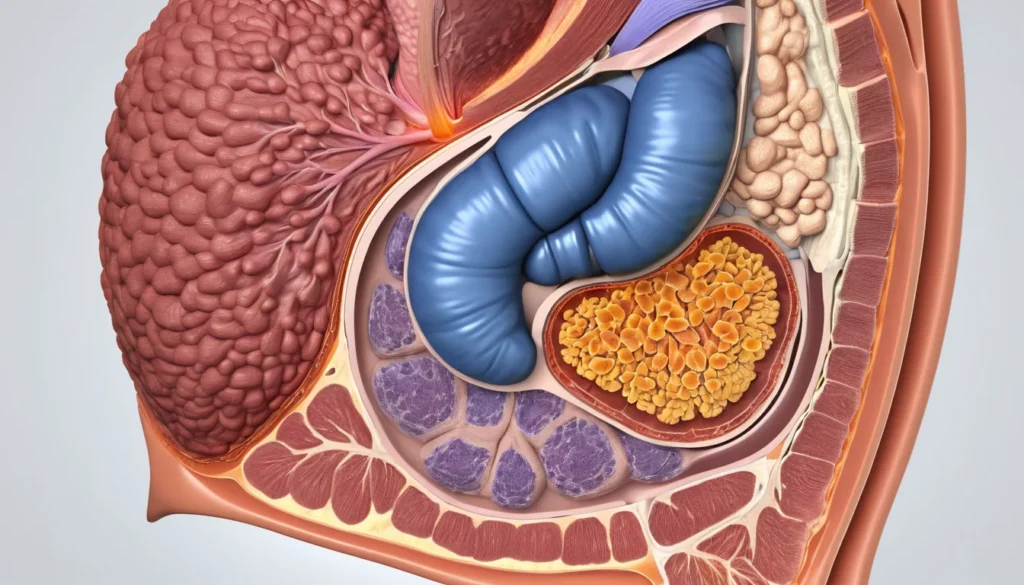
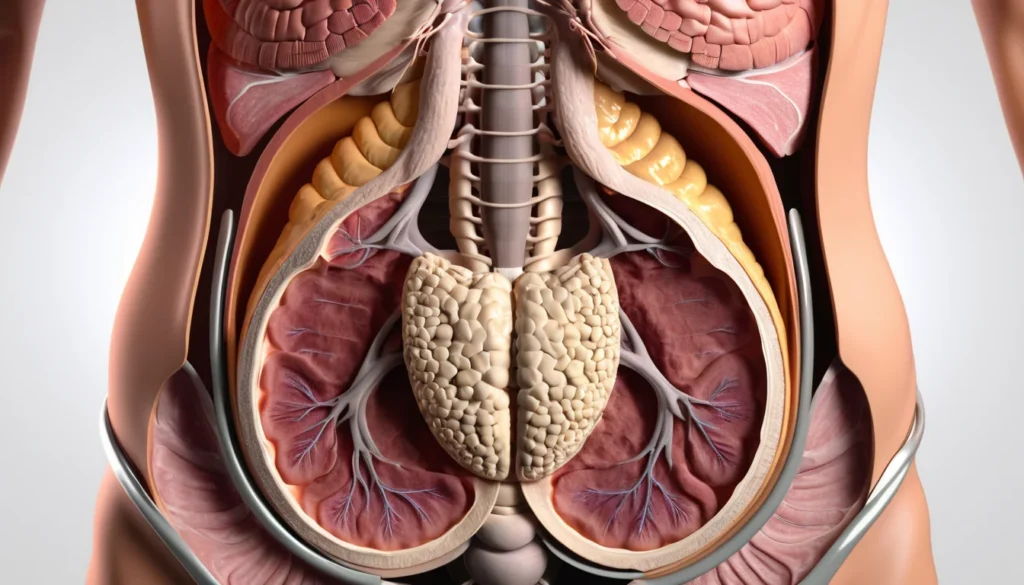
Your abdomen is the area of your body between your chest (thorax) and your pelvis. It holds many important organs, including your stomach, intestines, liver, and kidneys. Pain or discomfort in this region is called abdominal pain.
Almost everyone experiences abdominal pain at some point in their life. In many cases, it is not serious. However, some types of abdominal pain can signal a medical emergency that needs immediate attention.
Pain can be described as acute (comes on suddenly and lasts a short time) or chronic (lasts for weeks or even months). Understanding the nature of your pain can help your doctor find the cause more quickly.
Types of Abdominal Pain
Not all abdominal pain feels the same. Doctors often classify it by how and where it feels in your belly. Knowing the type of pain you have is helpful when describing your symptoms to a healthcare provider.
Generalised Pain
This type of pain spreads across more than half of your abdomen. It is commonly linked to stomach viruses, indigestion, or bloating. If the pain becomes more severe, it could point to an intestinal blockage.
Localised Pain
Localised pain stays in one specific area of the abdomen. This type of pain often points to a problem with a specific organ. For example, sharp pain in the lower right abdomen may suggest appendicitis.
Abdominal Cramps
Cramps often come and go and are usually not caused by something serious. They are most often linked to bloating or gas and may be followed by diarrhoea. However, frequent or severe cramps should still be checked by a doctor.
Colicky Pain
Colicky pain comes in waves. It starts and stops suddenly, often with no warning. This type of pain is commonly associated with kidney stones or gallstones.
Common Causes of Abdominal Pain
Finding the exact cause of abdominal pain can be tricky. Pain felt in one part of the belly can actually come from an organ in a different area — doctors call this referred pain. For this reason, a proper medical assessment is always important.
Some of the most common causes of abdominal pain include:
Appendicitis — inflammation of the appendix, often felt in the lower right abdomen
Irritable bowel syndrome (IBS) — a chronic condition affecting the large intestine
Crohn’s disease — a type of inflammatory bowel disease
Diverticulitis — inflammation of small pouches in the intestinal wall
Gastroenteritis — inflammation of the stomach, often called a “stomach flu”
Gastroesophageal reflux disease (GERD) — stomach acid flowing back into the food pipe
Pancreatitis — inflammation of the pancreas
Kidney stones — hard deposits in the kidneys that cause sharp, severe pain
Gallstones — hardened deposits in the gallbladder
Pelvic inflammatory disease (PID) — an infection of the female reproductive organs
Ectopic pregnancy — a pregnancy that develops outside the uterus
Abdominal trauma or muscle strain — injury to the muscles of the belly wall
Ulcerative colitis — chronic inflammation of the colon
Peptic ulcer — a sore on the lining of the stomach or small intestine
Sickle cell disease — a blood disorder that can cause episodes of intense pain
Peritonitis — infection of the lining of the abdominal cavity
Aortic aneurysm — a dangerous bulge in the main blood vessel of the body
In addition, some causes of abdominal pain do not originate in the abdomen at all. Conditions like pneumonia, heart attack, or pericarditis (inflammation around the heart) can cause pain that is felt in the belly.
Abdominal Pain by Location
The location of your abdominal pain can give your doctor important clues about what might be causing it. Below is a general guide to what different locations may suggest. However, always consult a healthcare professional for a proper diagnosis.
Upper Abdominal Pain
Pain in the upper abdomen may be related to the stomach, liver, gallbladder, or pancreas. Common causes include GERD, gallstones, hepatitis, pancreatitis, and peptic ulcers. In some cases, upper abdominal pain can also signal a heart attack or angina, especially if it spreads to the chest or arm.
Lower Abdominal Pain
Pain in the lower abdomen is sometimes called pelvic pain. It can be caused by appendicitis, bladder infections (cystitis), ovarian cysts, endometriosis, or bowel obstructions. In women, it may also be linked to conditions like salpingitis (inflammation of the fallopian tubes) or ectopic pregnancy.
Central Abdominal Pain
Pain in the centre of the abdomen may point to issues with the intestines, pancreas, or major blood vessels. Causes include intestinal obstruction, pancreatitis, aortic aneurysm, and diabetic ketoacidosis — a serious complication of diabetes where acid levels in the blood rise dangerously high.
Left-Sided Abdominal Pain
Pain on the left side of the abdomen can be linked to diverticulitis, kidney infections, kidney stones, Crohn’s disease, or an inguinal hernia. In women, it may also relate to ovarian cysts or endometriosis.
Right-Sided Abdominal Pain
Pain on the right side is one of the most common signs of appendicitis. It can also be caused by kidney stones, kidney infections, inguinal hernia, or ovarian conditions. Upper right pain may point to gallbladder or liver problems.
When to See a Doctor for Abdominal Pain
Most cases of abdominal pain will resolve on their own. However, certain warning signs mean you should seek medical care right away. In Canada, you can visit your family doctor, a walk-in clinic, or your nearest emergency room depending on how serious your symptoms are.
Call 911 or go to the emergency room immediately if you have:
Sudden, severe abdominal pain that does not ease
Pain so intense you cannot move or find a comfortable position
Blood in your stool or vomit
Chest pain along with abdominal pain
A rigid or swollen abdomen
Difficulty breathing alongside belly pain
Signs of shock — pale skin, rapid heartbeat, fainting
See your family doctor or visit a walk-in clinic if you have:
Abdominal pain that lasts more than a few days
Pain that keeps coming back over weeks or months
Unexplained weight loss along with belly pain
Persistent nausea or vomiting
Painful or frequent urination
Fever alongside abdominal discomfort
Your provincial health plan covers most doctor visits for abdominal pain. If you do not have a family doctor, Health Canada’s provincial health resources can help you find a walk-in clinic or register for a family health team in your area.
For more detailed information on digestive health conditions, the Mayo Clinic’s guide to abdominal pain is a trusted resource. You can also learn more from Healthline’s overview of abdominal pain causes and treatments.
Frequently Asked Questions About Abdominal Pain
What are the most common causes of abdominal pain in adults?
The most common causes of abdominal pain in adults include gas, indigestion, irritable bowel syndrome (IBS), gastroenteritis, and constipation. More serious causes include appendicitis, gallstones, kidney stones, and inflammatory bowel disease. If your abdominal pain is severe or does not go away, see your family doctor or visit a walk-in clinic.
When should I go to the emergency room for abdominal pain?
You should go to the emergency room for abdominal pain if the pain is sudden and severe, if you cannot find a comfortable position, or if it is accompanied by chest pain, blood in your stool, or a rigid belly. These signs may point to a serious condition like appendicitis, a heart attack, or internal bleeding. Do not wait — call 911 or get to the nearest emergency room right away.
Can abdominal pain be a sign of something serious?
Yes, abdominal pain can sometimes signal a serious medical condition. Conditions like appendicitis, aortic aneurysm, ectopic pregnancy, and peritonitis all cause abdominal pain and require urgent treatment. Always take severe or unusual abdominal pain seriously and consult a healthcare provider promptly.
What does it mean if my abdominal pain is on the right side?
Right-sided abdominal pain is one of the classic signs of appendicitis, especially if the pain is in the lower right area. It can also be caused by kidney stones, a kidney infection, gallbladder problems, or an inguinal hernia. Because several serious conditions cause right-sided abdominal pain, it is important to see a doctor if the pain is persistent or worsening.
How is abdominal pain diagnosed in Canada?
In Canada, a doctor will typically begin by asking about your symptoms, medical history, and the location and nature of your abdominal pain. They may order blood tests, urine tests, or imaging such as an ultrasound or CT scan to find the cause. Most of these diagnostic services are covered under your provincial health plan when referred by a physician.
Can stress cause abdominal pain?
Yes, stress and anxiety can cause or worsen abdominal pain. The gut and brain are closely connected through what doctors call the gut-brain axis, and emotional stress can trigger cramping, bloating, or discomfort — especially in people with irritable bowel syndrome (IBS). If you notice that your abdominal pain seems linked to stress, speak to your family doctor about strategies to support both your mental and digestive health.
Key Takeaways
Abdominal pain is pain or discomfort felt between the chest and pelvis.
It can be generalised, localised, cramping, or colicky — each type offers clues about the cause.
Common causes include gas, IBS, appendicitis, gallstones, kidney stones, and infections.
The location of your pain can help guide your doctor toward the correct diagnosis.
Seek emergency care for sudden, severe pain or pain with chest tightness, blood, or fever.
For ongoing or returning pain, visit your family doctor or a walk-in clinic covered by your provincial health plan.
Always speak with a qualified healthcare professional before drawing conclusions about the cause of your abdominal pain.
According to Mayo Clinic’s guide to abdominal pain causes, this information is supported by current medical research.
For more information, read our guide on food allergies that can trigger stomach pain symptoms.
This article is for informational purposes only and is not a substitute for professional medical advice. If you are concerned about abdominal pain, please speak with your family doctor or visit a walk-in clinic near you.
Frequently Asked Questions
What are the most common abdominal pain causes in adults?
The most common abdominal pain causes include gas, indigestion, irritable bowel syndrome (IBS), constipation, gastroenteritis, acid reflux, and urinary tract infections. More serious causes include appendicitis, gallstones, kidney stones, and ulcers. Location and severity of pain help determine the underlying condition.
When should I go to the ER for abdominal pain in Canada?
Visit an emergency room immediately if abdominal pain is severe and sudden, accompanied by fever above 38.5°C, persistent vomiting, blood in stool or vomit, chest pain, inability to pass gas, or a rigid abdomen. These symptoms may indicate appendicitis, bowel obstruction, or internal bleeding requiring urgent care.
What are the different types of abdominal pain causes and symptoms?
Abdominal pain causes vary by location: upper right pain often signals gallbladder or liver issues; upper left may indicate gastritis or pancreatitis; lower right suggests appendicitis or ovarian cysts; lower left points to diverticulitis or IBS. Cramping, burning, or sharp stabbing sensations help identify the specific condition.
How is abdominal pain treated at home in Canada?
Mild abdominal pain can be treated at home with rest, clear fluids, a bland diet, and over-the-counter medications like antacids or acetaminophen. Avoid NSAIDs like ibuprofen if stomach irritation is suspected. If symptoms persist beyond 24–48 hours or worsen, contact your family doctor or Telehealth Ontario (811).
Can stress and anxiety cause abdominal pain?
Yes, stress and anxiety can cause real abdominal pain. The gut-brain connection means emotional stress triggers physical symptoms including cramping, nausea, bloating, and diarrhea — commonly associated with IBS. Managing stress through exercise, mindfulness, therapy, and adequate sleep can significantly reduce stress-related digestive symptoms.