Abdominal bloating is one of the most common digestive complaints among Canadians, causing your belly to feel full, tight, or visibly larger than usual. It can develop gradually or strike suddenly, with or without pain. While occasional bloating is usually harmless and tied to diet or digestion, persistent or severe episodes may point to a condition that requires medical attention.
What Causes Abdominal Bloating in Canadians?
Understanding the causes of bloating is the first step toward finding relief. From food intolerances and gas buildup to conditions like irritable bowel syndrome, many factors can trigger that uncomfortable swollen feeling. This guide covers the key symptoms, evidence-based treatment options, and when it is time to visit your family doctor or a walk-in clinic in Canada.
What Is Abdominal Bloating?
Common Causes of Abdominal Bloating: Impact and Prevention Strategies
| Risk Factor | Impact on Abdominal Bloating | Prevention / Management |
|---|---|---|
| High-FODMAP Foods (e.g., onions, beans, wheat) | Fermentable carbohydrates are broken down by gut bacteria, producing excess gas and distension in the digestive tract | Follow a low-FODMAP diet under guidance of a registered dietitian; reintroduce foods gradually to identify triggers |
| Irritable Bowel Syndrome (IBS) | Altered gut motility and visceral hypersensitivity cause chronic bloating, cramping, and irregular bowel habits | Stress management, dietary modifications, and medications such as antispasmodics prescribed by a Canadian healthcare provider |
| Swallowing Air (Aerophagia) | Eating too quickly, drinking carbonated beverages, or chewing gum introduces excess air into the GI tract, worsening bloating symptoms | Eat slowly, avoid carbonated drinks and chewing gum, and practise mindful eating habits |
| Constipation | Slow bowel transit allows stool to accumulate, increasing gas buildup and causing significant abdominal discomfort and distension | Increase dietary fibre intake, stay well hydrated, and engage in regular physical activity; consult a physician if persistent |
| Lactose Intolerance | Inability to digest lactose leads to fermentation in the colon, producing gas, bloating, and diarrhea after consuming dairy products | Reduce or eliminate dairy intake; use lactase enzyme supplements or choose lactose-free products widely available across Canada |
| Celiac Disease | Immune reaction to gluten damages the small intestine lining, causing chronic bloating, malabsorption, and gastrointestinal distress | Strict lifelong gluten-free diet; diagnosis confirmed through blood tests and endoscopy with guidance from a Canadian gastroenterologist |
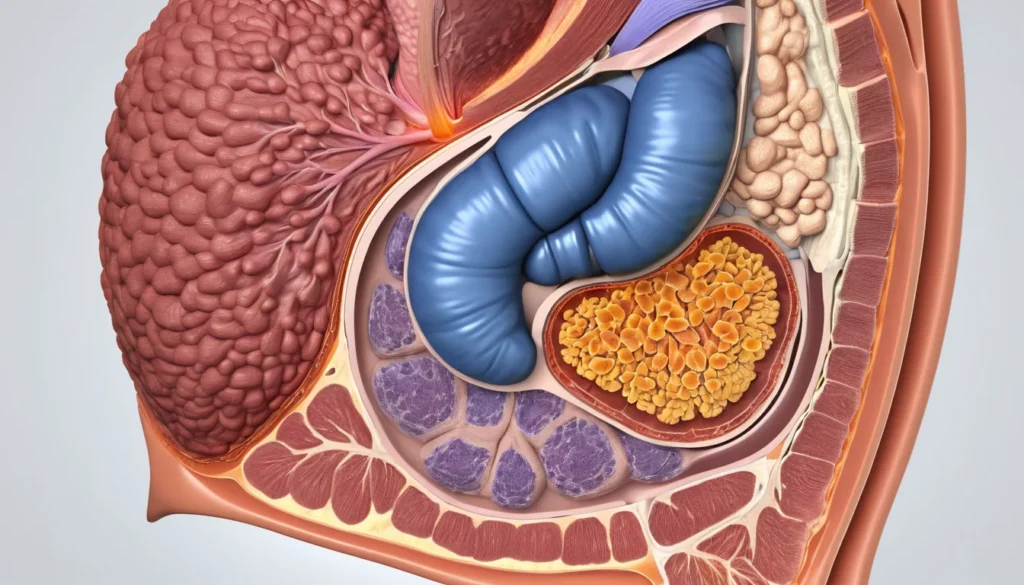
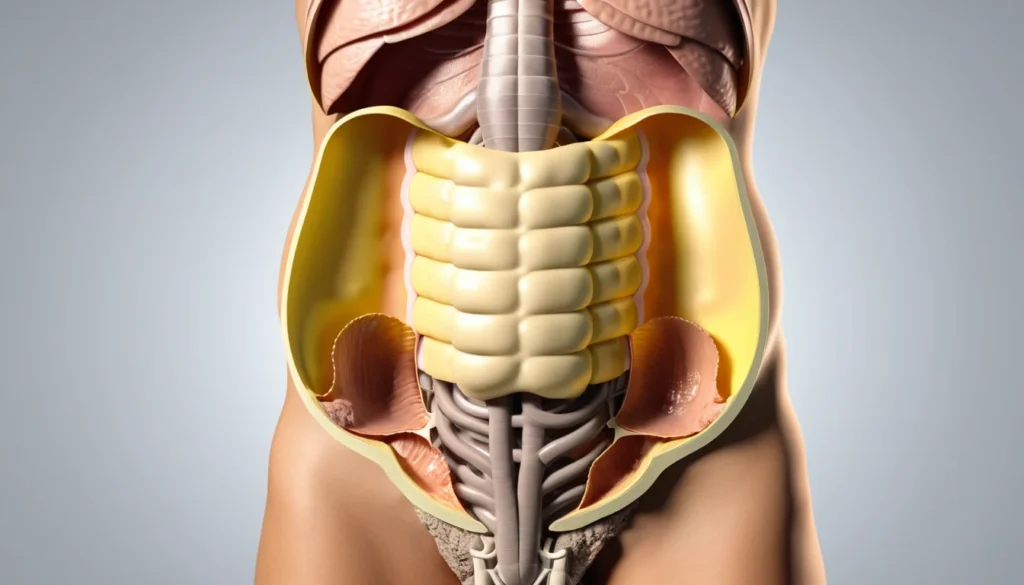
Abdominal bloating refers to an increase in the size or circumference of the belly. It may come with a feeling of fullness, pressure, or discomfort in the stomach or intestines. Some people also feel pain or notice their clothes feel tighter than usual.
Bloating can develop slowly over time, or it can appear suddenly. In many cases, it is related to what you eat or how your digestive system works. However, sudden or severe abdominal bloating can be a sign of a medical emergency, such as internal bleeding or a serious infection in the abdomen.
When Bloating Becomes an Emergency
Conditions like peritonitis (infection of the abdominal lining), internal abdominal bleeding, or acute surgical abdomen can all cause the belly to swell rapidly. These conditions are serious and usually require emergency surgery. If your bloating comes on suddenly and is paired with intense pain, fever, or vomiting, call 911 or go to your nearest emergency department right away.
Common Causes of Abdominal Bloating
The causes of abdominal bloating can be either organic (related to a physical condition) or functional (related to how the digestive system works). Some causes resolve on their own, while others need medical treatment.
Organic Causes
Organic causes are tied to a specific physical condition in the body. Some, like menstruation or pregnancy, are completely normal and do not need treatment. Others are more serious and require medical attention. These include:
Peritonitis — a serious infection of the lining of the abdomen
Intestinal obstruction — a blockage in the bowel that stops contents from passing through
Hypothyroidism — an underactive thyroid gland that slows digestion
Obesity — excess body fat can contribute to bloating and digestive discomfort
Celiac disease — an immune reaction to gluten that damages the small intestine
Ascites — a build-up of fluid inside the abdominal cavity
Internal bleeding — bleeding inside the abdomen from injury or illness
Ascites is worth noting in more detail. In the early stages, fluid build-up may cause no symptoms at all. However, as more fluid accumulates, the belly grows larger and breathing can become difficult. This condition often points to a serious underlying issue, such as liver disease, and needs prompt medical evaluation.
Functional Causes
Functional causes affect how the digestive tract moves and processes food. These conditions do not always show up on standard tests, but they are very real and can significantly affect quality of life. Common functional causes of abdominal bloating include:
Irritable bowel syndrome (IBS) — a common digestive condition causing cramping, gas, and changes in bowel habits
Food intolerances — such as lactose intolerance or sensitivity to fructose and other carbohydrates (FODMAPs)
Functional indigestion — stomach discomfort with no clear structural cause
Constipation — slow-moving stool leads to gas build-up and bloating
Urinary retention — a full bladder can cause the lower abdomen to appear distended
Intestinal ileus — the bowel stops moving properly, often after surgery or illness
Gastroparesis — the stomach empties too slowly, causing fullness and bloating
When digestion slows down, food and waste spend more time in the intestines. This leads to increased fermentation by gut bacteria, which produces excess gas. As a result, the belly stretches and bloating occurs. Mayo Clinic provides a detailed overview of bloating causes and digestive conditions.
Symptoms Associated with Abdominal Bloating
Abdominal bloating is itself a symptom, but it often comes with other signs that point to the underlying cause. Paying attention to these additional symptoms can help your doctor make a diagnosis more quickly.
People with bloating often report one or more of the following:
Abdominal pain, either in one spot or spread across the belly
Nausea or vomiting
Diarrhoea or constipation
Excessive gas or flatulence
Difficulty breathing deeply
A feeling of fullness in the upper or lower abdomen
It is common for patients to describe feeling bloated in the upper part of the stomach, or all across the belly. In some cases, bloating is the only symptom. In others, it is one of many signs pointing to a condition that needs treatment.
How Is Abdominal Bloating Diagnosed?
When you see a doctor for abdominal bloating, they will start by asking you questions about your health history. This is called taking a medical history or anamnesis. Your doctor will want to know:
When the bloating started and how long it has been going on
Whether it came on suddenly or gradually
What your diet looks like and whether certain foods make it worse
Whether you have had any abdominal surgeries in the past
Any changes in your bowel habits
What medications you currently take
Diagnostic Tests and Investigations
After your medical history, your doctor will order tests to find the cause of your bloating. The specific tests depend on your symptoms and history. Common investigations include:
Blood tests — including serology tests for celiac disease or thyroid function
Upper endoscopy — a camera is passed down the throat to examine the stomach and upper intestine; this is recommended if you have repeated nausea, vomiting, or blood in your vomit, or a family history of digestive cancer
CT scan or MRI — imaging tests that can identify bowel obstructions, fluid build-up, or other structural problems
Intestinal transit scintigraphy — a nuclear medicine test that tracks how quickly food moves through your digestive tract
Capsule endoscopy — you swallow a small pill-sized camera that takes pictures of your small intestine; this is useful for detecting Crohn’s disease or other bowel conditions
In Canada, your family doctor will coordinate these tests and refer you to a specialist, such as a gastroenterologist, if needed. Depending on your province, some tests may be covered under your provincial health plan. Health Canada provides information on accessing health care services across provinces.
Treatment Options for Abdominal Bloating
Treatment depends entirely on what is causing the bloating. In many cases, your doctor will recommend changes on multiple fronts at the same time.
Diet and Lifestyle Changes
Diet is usually the first place to start. Making changes to what and how you eat can significantly reduce bloating for many people. Your doctor or a registered dietitian may recommend:
Removing gluten from your diet if you have celiac disease or gluten sensitivity
Reducing or eliminating lactose if you are lactose intolerant
Following a low-FODMAP diet to reduce fermentable carbohydrates that cause gas
Eating smaller meals more frequently throughout the day
Drinking more water and increasing dietary fibre gradually
Reducing carbonated drinks and foods known to cause gas
Regular physical activity also helps keep digestion moving. Even a short walk after meals can support healthy gut motility and reduce gas build-up.
Probiotics and Gut Health
The gut microbiome — the community of bacteria living in your intestines — plays an important role in digestion. When this balance is disrupted, bloating can get worse. Probiotics are beneficial bacteria that can help restore this balance.
Strains such as Lactobacillus species have shown some benefit in reducing bloating, particularly in people with IBS. Probiotics are available over the counter at most Canadian pharmacies. However, it is a good idea to speak with your family doctor before starting a probiotic supplement, as the right strain depends on your specific condition. Healthline explains how probiotics may help with bloating and digestive health.
Medical and Surgical Treatment
When bloating is caused by a serious underlying condition, more advanced treatment is needed. For example, intestinal obstructions often require surgery. Ascites may be treated by draining the fluid and addressing the root cause, such as liver disease. Hypothyroidism is managed with thyroid hormone replacement medication.
Emergency conditions like peritonitis or internal bleeding require immediate hospital care and usually surgery. These are not situations to manage at home or with dietary changes.
When to See a Doctor
Mild bloating that comes and goes is common and often not a cause for concern. However, there are times when you should not wait and see. Contact your family doctor or visit a walk-in clinic if your bloating:
Has lasted more than a few days without improvement
Is getting progressively worse
Comes with unexplained weight loss
Is paired with persistent nausea or vomiting
Causes significant changes in your bowel habits
Is affecting your ability to eat or breathe comfortably
Go to your nearest emergency department or call 911 immediately if your bloating comes on suddenly and is severe, especially if it is accompanied by intense abdominal pain, fever, vomiting blood, or signs of shock such as dizziness or a rapid heartbeat. These symptoms can indicate a life-threatening condition.
As always, this article is for general information only. Please speak with your family doctor or a qualified healthcare provider for advice that is specific to your health situation.
Frequently Asked Questions About Abdominal Bloating
What causes sudden severe abdominal bloating?
Sudden severe abdominal bloating can be caused by serious conditions such as intestinal obstruction, peritonitis, or internal bleeding. These are medical emergencies that require immediate hospital care. If your abdominal bloating comes on rapidly and is paired with intense pain or fever, go to an emergency department right away.
Is abdominal bloating a sign of something serious?
Most of the time, abdominal bloating is caused by everyday factors like diet, gas, or mild digestive issues. However, bloating that is persistent, worsening, or paired with other symptoms like weight loss, vomiting, or pain can signal a more serious underlying condition. It is important to see your family doctor if your bloating does not improve within a few days.
What foods commonly cause abdominal bloating?
Foods that commonly trigger abdominal bloating include dairy products (for those with lactose intolerance), wheat and gluten (for those with celiac disease or sensitivity), and high-FODMAP foods such as onions, beans, apples, and carbonated drinks. Keeping a food diary can help you identify your personal triggers.
How is abdominal bloating treated at home?
For mild abdominal bloating, home management includes eating smaller meals, avoiding trigger foods, staying well hydrated, and taking gentle walks after eating. Over-the-counter remedies like simethicone or probiotics may also provide relief. However, home treatment is not appropriate for severe or sudden bloating, which requires a doctor’s evaluation.
Can irritable bowel syndrome cause abdominal bloating?
Yes, irritable bowel syndrome (IBS) is one of the most common causes of abdominal bloating. IBS affects how the bowel moves and processes food, leading to gas build-up, cramping, and a visibly distended belly. A low-FODMAP diet and probiotics are often recommended to help manage IBS-related bloating.
When should I go to a walk-in clinic for bloating?
According to Mayo Clinic’s guide to gas and bloating causes, this information is supported by current medical research.
For more information, read our guide on common food allergies that may cause bloating after eating.
You should visit a walk-in clinic for abdominal bloating if it has lasted more than a few days, is getting worse, or comes with symptoms like nausea, changes in bowel habits, or unexplained weight loss. If you cannot reach your family doctor, a walk-in clinic can assess your symptoms and arrange further testing if needed.
Key Takeaways
Abdominal bloating is a swelling or enlargement of the belly that can have many causes, from diet to serious illness. Causes are either organic (tied to a physical condition) or functional (related to how the digestive system works). Sudden, severe bloating paired with intense pain
Frequently Asked Questions
What is abdominal bloating?
Abdominal bloating is a condition where the stomach feels full, tight, or swollen due to excess gas, fluid, or digestive disturbances. It can cause visible distension of the belly and discomfort. It affects people of all ages and is one of the most common digestive complaints seen by Canadian doctors.
What are the most common symptoms of abdominal bloating?
Common symptoms include a feeling of fullness or tightness in the stomach, visible belly swelling, excessive gas, burping, and cramping. Some people also experience nausea and gurgling sounds. Symptoms may worsen after eating and can range from mild and temporary to persistent and disruptive to daily life.
How can you treat abdominal bloating at home?
Abdominal bloating can often be relieved by eating slowly, avoiding carbonated drinks, reducing high-FODMAP foods, and exercising regularly. Over-the-counter remedies like simethicone or peppermint oil capsules may help. Staying hydrated and maintaining a food diary to identify personal triggers are also effective strategies recommended by Canadian healthcare providers.
How can you prevent bloating after eating?
To prevent bloating after eating, chew food thoroughly, eat smaller portions, limit gas-producing foods like beans, broccoli, and dairy. Avoid swallowing air by not talking while chewing. Reducing salt intake, staying physically active, and managing stress also significantly reduce the frequency and severity of bloating episodes.
When should you see a doctor for abdominal bloating?
See a doctor if bloating is persistent, worsening, or accompanied by unexplained weight loss, blood in stool, severe abdominal pain, vomiting, or fever. These symptoms may indicate a serious underlying condition such as irritable bowel syndrome, celiac disease, or in rare cases, ovarian or colorectal cancer requiring prompt medical evaluation.