Your abdomen is one of the most important parts of your body. It is the lower section of your trunk, and it holds most of your digestive and urinary organs. Understanding what is inside your abdomen — and what can go wrong — helps you take better care of your health. This article explains the structure of the abdomen, how doctors examine it, and when you should seek medical attention.
What Is the Abdomen?
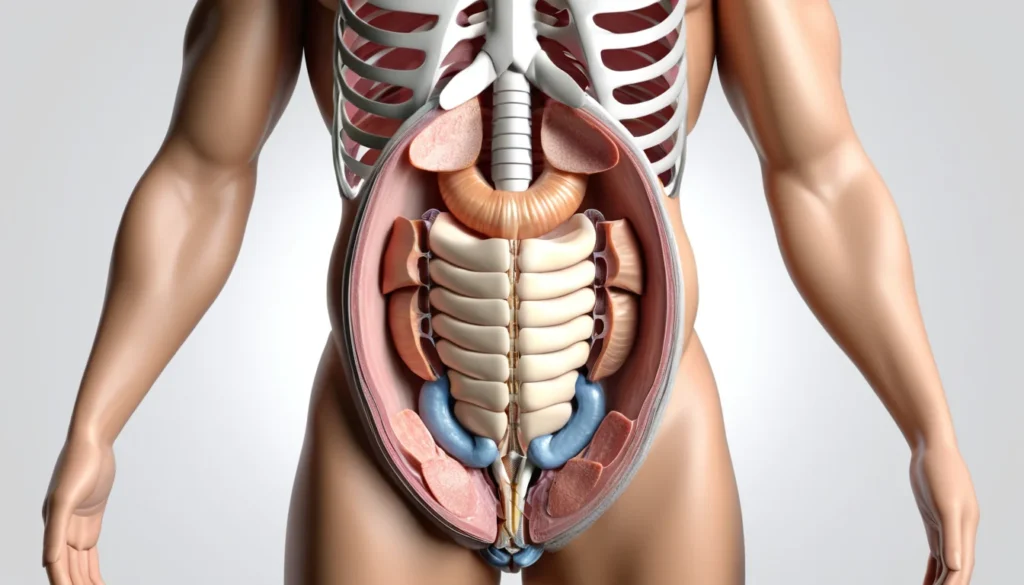
The abdomen sits between your chest and your pelvis. It contains organs that help you digest food, filter waste, and support reproduction. All of these organs are enclosed in a protective membrane called the peritoneum.
Think of the peritoneal sac as a soft container that keeps your abdominal organs in place. It also helps reduce friction as your organs move during digestion and breathing. Problems with the peritoneum, such as infection or inflammation, can be very serious.
The abdominal cavity is divided into two main levels. Each level holds specific organs that carry out different functions in your body.
The Upper Abdomen
The upper level of the abdomen holds several key organs. These include the liver, gallbladder, bile ducts, stomach, pancreas, and spleen. The duodenum — the first part of the small intestine — is also found here.
These organs work together to break down food and process nutrients. For example, the liver filters your blood and produces bile. The pancreas releases enzymes that help digest fats, proteins, and carbohydrates.
The Lower Abdomen
The lower level of the abdomen contains the large intestine, the small intestine (including the jejunum and ileum), and the appendix. Part of the colon and the rectum sit in the pelvic region, which is the lowest subdivision of the abdomen.
In men, this area also holds the bladder and the sigmoid colon. In women, it additionally contains the uterus, fallopian tubes, and ovaries. This is why abdominal pain in women can sometimes be linked to reproductive health issues.
How Doctors Examine the Abdomen
When you visit your family doctor or a walk-in clinic with abdominal complaints, the doctor will likely begin with a physical examination. This hands-on assessment gives a lot of useful information before any tests are ordered.
Physical Examination Techniques
The most common method is abdominal palpation — when a doctor gently presses on your abdomen with their hands. This allows them to feel the liver, spleen, uterus, and bladder. It also helps detect tumours, unusual gas build-up (called meteorism), or fluid in the abdominal cavity (called ascites).
Doctors may also perform a rectal examination. In women, a vaginal examination is sometimes combined with this. These checks help assess the lower abdominal and pelvic organs more closely.
Imaging and Diagnostic Tests
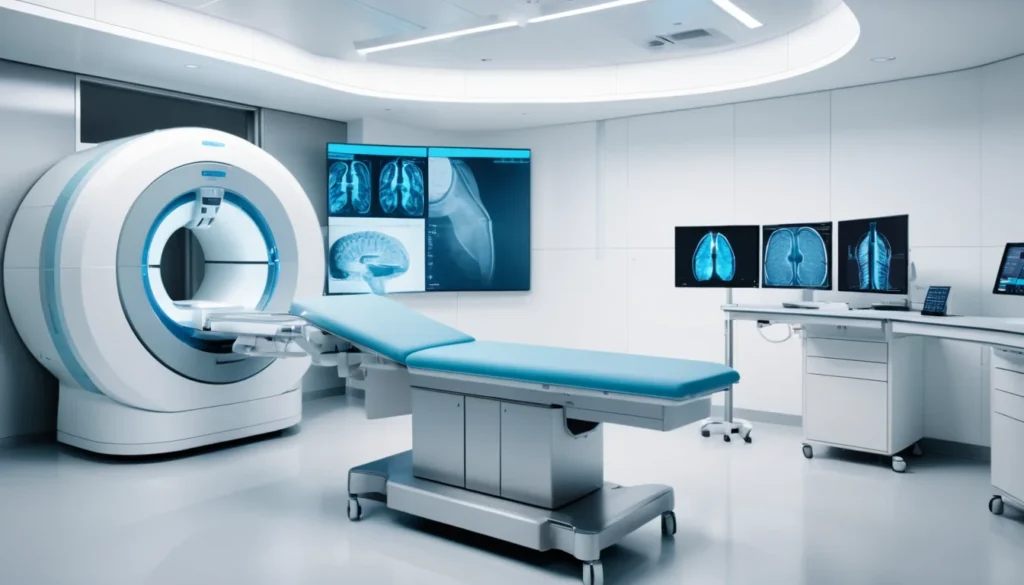
When a physical exam is not enough, doctors turn to imaging technology. These tools help visualize the organs inside your abdomen without surgery. They range from simple to more complex, depending on what the doctor needs to see.
Here are the main imaging options, from least to most complex:
Plain X-ray (KUB or abdominal X-ray): A quick, basic image of the abdomen. It can show blockages, abnormal gas patterns, or certain masses.
Ultrasound: Uses sound waves to create images of soft tissue organs. It is safe, painless, and widely available across Canada.
CT scan (computed tomography): Produces detailed cross-sectional images. It is very useful for detecting injuries, tumours, and infections.
MRI (magnetic resonance imaging): Provides highly detailed images without radiation. It is often used when other tests are inconclusive.
In Canada, your family doctor can refer you for most of these tests through your provincial health plan. Wait times may vary depending on your province or territory. Health Canada provides information on diagnostic imaging access across the country.
Common Abdominal Conditions
The abdomen can be affected by a wide range of health conditions. Some develop gradually over time, while others appear suddenly and require urgent care. Knowing the difference can be life-saving.
Hernias
Some areas of the abdominal wall are naturally weaker than others. These weak spots can allow internal tissue or organs to push through, creating a hernia. Common sites include the groin area (inguinal canal) and the belly button (umbilicus).
Hernias often appear as a visible bulge under the skin. They may cause discomfort, especially when bending, coughing, or lifting. In some cases, a hernia can become trapped and require emergency surgery. The Mayo Clinic offers a detailed overview of hernia types and treatments.
Abdominal Contusions and Blunt Trauma
A blunt impact to the abdomen — from a car accident, a fall, or a sports injury — is called a contusion. Even without a visible wound, this type of injury can seriously damage internal organs. The liver, spleen, and pancreas are particularly vulnerable.
Injuries to the liver or spleen can cause internal bleeding. A damaged pancreas may trigger pancreatitis, which is a painful and dangerous inflammation. Furthermore, blunt trauma can rupture blood vessels, leading to rapid blood loss inside the body.
A contusion can also tear open a hollow organ, such as the bowel or bladder. When this happens, the contents of that organ spill into the abdominal cavity. This causes a life-threatening infection called peritonitis. These two complications — internal bleeding and peritonitis — can occur at the same time.
Penetrating Abdominal Injuries
A penetrating injury occurs when an object breaks through the abdominal wall. This can involve just the wall itself, or it can go all the way through, creating both an entry and an exit wound. Any penetrating abdominal injury is considered a medical emergency.
Treatment for penetrating abdominal wounds follows two main goals. First, doctors stabilize the patient by treating shock and controlling blood loss through rapid resuscitation. Second, surgeons perform a complete exploration of the abdominal cavity to find and repair all damage.
Peritonitis
Peritonitis is an inflammation of the peritoneum — the membrane lining your abdominal cavity. It is usually caused by a bacterial infection following a ruptured organ, a bowel perforation, or abdominal surgery. It is a serious, potentially fatal condition that requires immediate hospital care.
Symptoms include severe abdominal pain, fever, nausea, and a rigid or board-like abdomen. If you or someone you know experiences these symptoms, call 911 or go to the nearest emergency department immediately.
Internal Bleeding in the Abdomen
Internal bleeding is one of the most dangerous abdominal emergencies. It can result from trauma, a ruptured organ, or a torn blood vessel. Because the bleeding happens inside the body, it is not always obvious right away.
Signs of internal abdominal bleeding include dizziness, rapid heartbeat, pale skin, weakness, and pain or swelling in the abdomen. As a result of blood loss, the body goes into shock. This is a life-threatening state that requires emergency intervention.
Surgical exploration of the abdomen is often necessary to find the source of bleeding and stop it. In Canada, emergency surgery for abdominal trauma is available at all major hospitals and trauma centres. Healthline provides a helpful guide on recognizing the signs of internal bleeding.
When to See a Doctor
Many cases of mild abdominal discomfort — such as gas, bloating, or minor cramping — can be managed at home. However, some symptoms need prompt medical attention. Do not ignore warning signs that could indicate a serious condition.
Visit your family doctor or a walk-in clinic if you experience:
Persistent abdominal pain lasting more than a few days
Unexplained weight loss alongside abdominal symptoms
Bloating or distension that does not go away
Changes in bowel habits lasting more than two weeks
Blood in your stool or urine
A visible lump or bulge in your abdomen
Call 911 or go to your nearest emergency department immediately if you experience:
Sudden, severe abdominal pain
Signs of internal bleeding (dizziness, rapid heartbeat, pale skin, sudden weakness)
A rigid, board-like abdomen with fever
Any penetrating injury to the abdomen
Abdominal trauma following a car accident, fall, or physical assault
In Canada, most provincial health plans cover emergency abdominal care, imaging, and surgery. Your family doctor is your best first point of contact for non-emergency abdominal concerns. Always speak with a healthcare professional before drawing conclusions about your symptoms.
Frequently Asked Questions About the Abdomen
What organs are located in the abdomen?
The abdomen contains many vital organs, including the stomach, liver, gallbladder, pancreas, spleen, small intestine, large intestine, and appendix. The lower abdomen also holds the bladder, and in women, the uterus, fallopian tubes, and ovaries. All of these organs are enclosed within the peritoneum, a protective membrane.
What causes abdominal pain?
Abdominal pain can have many causes, ranging from gas and indigestion to more serious conditions like appendicitis, hernias, or organ injury. The location of the pain in your abdomen often gives doctors clues about which organ may be involved. Always consult a doctor if your abdominal pain is severe, persistent, or accompanied by other symptoms like fever or vomiting.
How do doctors examine the abdomen?
Doctors typically start by pressing gently on the abdomen to feel for organ enlargement, tenderness, or unusual masses — a technique called palpation. They may also order imaging tests such as an ultrasound, X-ray, CT scan, or MRI to get a clearer view of the abdominal organs. In Canada, your family doctor can refer you for these tests through your provincial health plan.
What is peritonitis and how serious is it?
Peritonitis is a serious infection of the peritoneum, the membrane that lines the abdominal cavity. It usually happens when a ruptured organ or perforated bowel releases bacteria into the abdomen. Peritonitis is a medical emergency that requires immediate hospital treatment, often including surgery and intravenous antibiotics.
What is a hernia and does it affect the abdomen?
A hernia occurs when tissue or an organ pushes through a weak spot in the abdominal wall, creating a visible bulge. The most common types affect the groin (inguinal hernia) or the belly button (umbilical hernia), both of which are located in or near the abdomen. Some hernias require surgical repair, especially if they become trapped or cause significant pain.
When is abdominal pain a medical emergency?
Abdominal pain becomes an emergency when it is sudden and severe, or when it is accompanied by symptoms like a rigid belly, high fever, dizziness, or signs of internal bleeding. Any abdominal injury from a car accident or physical trauma also requires immediate evaluation. In these cases, call 911 or go directly to your nearest hospital emergency department.
Key Takeaways
The abdomen is the lower section of the trunk, containing most of the digestive and urinary organs.
It is divided into upper and lower levels, each housing specific organs enclosed by the peritoneum.
Doctors examine the abdomen through physical palpation and imaging tools such as ultrasound, CT scans, and MRI.
Common abdominal conditions include hernias, contusions, internal bleeding, and peritonitis.
Penetrating abdominal injuries and signs of internal bleeding are always medical emergencies.
For non-urgent concerns, visit your family doctor or a walk-in clinic. For severe or sudden symptoms, call 911.
Always consult a qualified healthcare professional for any abdominal symptoms you are concerned about.