The 5-HIAA urine test is a key diagnostic tool that helps doctors detect and monitor carcinoid tumours — a rare type of neuroendocrine tumour that can affect the digestive system and other organs. If your healthcare provider in Canada has recommended this test, understanding what it measures and why it matters can help you feel more prepared and confident in your next appointment.
What Does the 5-HIAA Urine Test Measure?
This test works by measuring 5-hydroxyindoleacetic acid, the main breakdown product of serotonin, in a 24-hour urine sample. Since carcinoid tumours often produce excess serotonin, elevated levels of 5-HIAA can provide valuable clues for carcinoid tumour diagnosis. Whether you are experiencing unexplained flushing, diarrhea, or other unusual symptoms, knowing what to expect from this test can empower you to have a more informed conversation with your family doctor or specialist.
What Is the 5-HIAA Urine Test?
Common Symptoms That May Lead to a 5-HIAA Urine Test and Their Clinical Significance
| Symptom | Description | Severity |
|---|---|---|
| Flushing Episodes | Sudden reddening or warmth of the face, neck, and chest caused by excess serotonin release from carcinoid tumours; may last minutes to hours | Moderate to Severe |
| Chronic Diarrhea | Frequent, watery bowel movements resulting from elevated serotonin levels affecting gut motility; can lead to dehydration and nutrient malabsorption | Moderate to Severe |
| Wheezing and Breathlessness | Bronchospasm triggered by bioactive substances secreted by neuroendocrine tumours; may mimic asthma symptoms and cause significant respiratory distress | Moderate |
| Abdominal Cramping and Pain | Recurring abdominal discomfort or pain linked to intestinal carcinoid tumours affecting bowel function; often accompanied by bloating and nausea | Mild to Moderate |
| Heart Palpitations | Irregular or rapid heartbeat associated with carcinoid heart disease, where serotonin causes fibrotic changes to heart valves, particularly on the right side | Severe |
| Unexplained Weight Loss | Progressive loss of body weight without intentional dietary changes; may indicate advanced neuroendocrine tumour activity affecting metabolism and nutrient absorption | Moderate to Severe |
5-HIAA stands for 5-hydroxyindoleacetic acid. It is the main breakdown product — called a metabolite — of serotonin, a chemical your body produces naturally. Most of the body’s serotonin is made in the gastrointestinal (GI) tract, which includes your stomach and intestines.
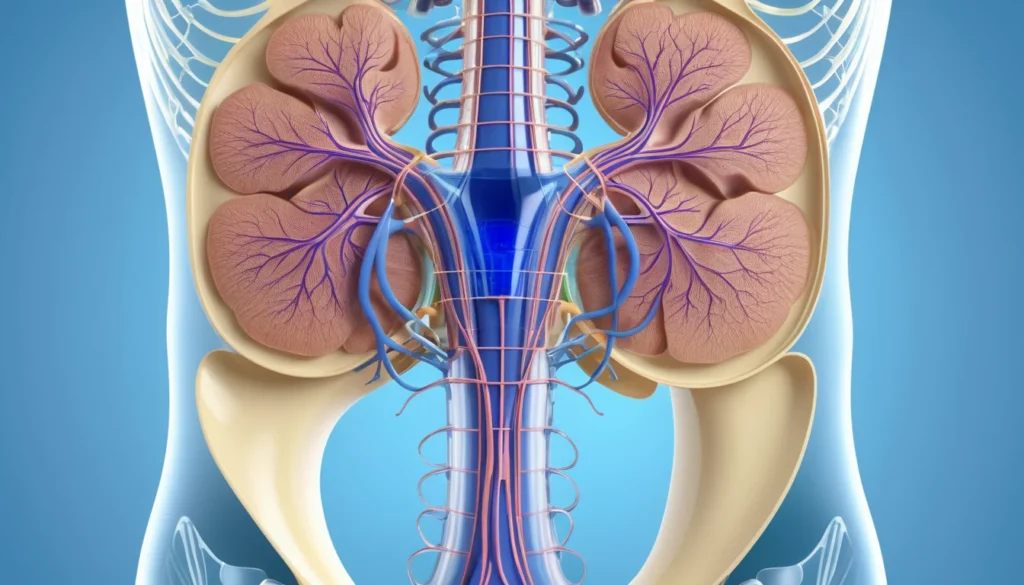
When serotonin is used by the body, it breaks down into 5-HIAA. This substance then passes through the kidneys and leaves the body in urine. By measuring how much 5-HIAA is in your urine, doctors can estimate how much serotonin your body is producing. High levels may signal a problem.
For more background on how serotonin works in the body, visit the Healthline overview of serotonin and its functions.
Why Is the 5-HIAA Urine Test Ordered?
Doctors order the 5-HIAA urine test for specific reasons. It is not a routine screening test. Instead, it is used when there is a reason to suspect a carcinoid tumour or to track how well treatment is working.
Diagnosing a Carcinoid Tumour
A carcinoid tumour is a slow-growing type of cancer. These tumours most often develop in the GI tract. However, they can also appear in the lungs or other organs. When present, these tumours can produce large amounts of serotonin, which raises 5-HIAA levels significantly.
Elevated 5-HIAA levels in urine can be an early indicator that a carcinoid tumour is present. Therefore, this test is a key first step in diagnosis. Your doctor may order additional imaging or blood tests to confirm findings.
Monitoring Carcinoid Tumour Treatment
The 5-HIAA urine test is also used after a carcinoid tumour has been diagnosed. It helps doctors track how well treatment is working. If levels drop after surgery or medication, that is generally a positive sign. If levels remain high or rise again, further investigation may be needed.
Furthermore, this test helps doctors catch a recurrence — meaning the tumour coming back — as early as possible. Regular monitoring can make a meaningful difference in outcomes.
Symptoms That May Lead to This Test
Certain symptoms are closely linked to high serotonin and 5-HIAA levels. These symptoms often appear once the liver is affected by a carcinoid tumour. At that stage, the tumour’s hormones can enter the bloodstream more freely.
Common symptoms that may prompt a doctor to order a 5-HIAA urine test include:
Facial flushing — sudden redness or warmth in the face and neck
Diarrhoea — frequent, loose, or watery stools
Wheezing — a whistling sound when breathing, similar to asthma
Rapid heart rate — a racing or pounding heartbeat
Abdominal cramping — pain or discomfort in the belly area
These symptoms together are sometimes called carcinoid syndrome. It is worth noting that each symptom on its own can have many other causes. However, when several occur together, your doctor may want to investigate further. As a result, this combination of symptoms is one of the most common reasons the 5-HIAA test is requested in Canada.
How the Test Works: What to Expect
The 5-HIAA urine test is usually a 24-hour urine collection test. This means you collect all of your urine over a full 24-hour period in a special container provided by your lab or clinic. This gives doctors a more accurate picture than a single urine sample.
Where to Get the Test in Canada
In Canada, your family doctor or a specialist — such as a gastroenterologist or endocrinologist — will order this test. You can usually have it done through your provincial health plan at a local lab, hospital, or diagnostic centre. There is typically no out-of-pocket cost when referred through the public system.
If you do not have a family doctor, a walk-in clinic can be a good starting point. A walk-in doctor can assess your symptoms, order initial tests, and refer you to a specialist if needed. Many provinces also have telehealth lines that can help guide you to the right care.
The Testing Method Used
The laboratory analyses your urine sample using a method called high-performance liquid chromatography (HPLC). This is a precise technique that separates and measures specific substances in a liquid sample. It is considered the gold standard for measuring 5-HIAA levels accurately.
Preparing for the 5-HIAA Urine Test
Preparation is important for getting accurate results. Certain foods and medications can raise or lower your 5-HIAA levels artificially. Following your doctor’s preparation instructions carefully will help avoid a false result.
Foods to Avoid Before the Test
Your doctor will likely ask you to avoid certain foods for 24 to 72 hours before and during the collection period. Foods high in serotonin or that affect serotonin metabolism can interfere with the test. Common foods to avoid include:
Bananas
Pineapple
Plums
Tomatoes and tomato products
Avocados
Walnuts
Eggplant (also called aubergine)
Kiwi fruit
In addition, alcohol and caffeine may also affect your results. Always follow the specific instructions given by your healthcare provider or lab.
Medications That May Affect Results
Several common medications can alter 5-HIAA levels. These include certain antidepressants, cough medicines, and pain relievers. Do not stop taking any prescribed medication without first speaking to your doctor. Instead, let your doctor know everything you are taking — including vitamins and supplements — so they can interpret your results correctly.
For a broader overview of urine-based diagnostic tests, the Mayo Clinic guide to urinalysis and urine testing is a helpful resource.
Understanding Your 5-HIAA Test Results
Once your 24-hour urine collection is complete, the lab will measure the total amount of 5-HIAA in the sample. Results are typically reported in milligrams per 24 hours (mg/24h) or micromoles per day.
Normal 5-HIAA Levels
Normal reference ranges can vary slightly between labs. In general, a normal result falls between 2 and 9 mg per 24 hours. Your lab report will include the specific reference range used, so compare your result to that number rather than a general guideline.
High 5-HIAA Levels
A high result — especially a significantly elevated one — may suggest the presence of a carcinoid tumour. However, elevated levels can also occur due to certain foods, medications, or other medical conditions. Therefore, a high result alone does not confirm a diagnosis. Your doctor will consider the full clinical picture before drawing conclusions.
Furthermore, the degree of elevation matters. Mildly elevated levels are treated differently from dramatically elevated ones. Your doctor will discuss what the specific number means for you personally.
Low or Normal 5-HIAA Levels
A normal result is reassuring. It suggests that serotonin production is not significantly elevated. However, a normal result does not completely rule out a carcinoid tumour, especially in early stages. If your symptoms persist, follow up with your doctor.
Health Canada encourages Canadians to work closely with their healthcare providers to interpret diagnostic test results in context. You can learn more about navigating the Canadian healthcare system through the Health Canada official website.
When to See a Doctor
You should speak with your family doctor if you are experiencing unexplained facial flushing, persistent diarrhoea, wheezing, or a rapid heart rate — especially if these symptoms occur together or keep coming back. These could have many explanations, but it is always best to get checked out.
If you do not currently have a family doctor, a walk-in clinic is a convenient first step. Walk-in doctors can order lab tests, provide referrals, and help rule out serious conditions. In urgent situations, your local emergency department or provincial telehealth line (such as Health811 in Ontario or 811 in British Columbia) can also connect you with a nurse or doctor quickly.
Do not try to interpret your 5-HIAA urine test results on your own. Lab values must always be considered alongside your symptoms, medical history, and other test findings. Your doctor is the best person to guide you through what the numbers mean and what comes next.
Frequently Asked Questions
What does the 5-HIAA urine test measure?
The 5-HIAA urine test measures the amount of 5-hydroxyindoleacetic acid in your urine over a 24-hour period. 5-HIAA is the primary breakdown product of serotonin, a chemical mostly produced in the gut. High levels may indicate a serotonin-producing tumour, such as a carcinoid tumour.
Is the 5-HIAA urine test covered by provincial health plans in Canada?
In most Canadian provinces, the 5-HIAA urine test is covered under provincial health insurance when ordered by a physician. Coverage may vary depending on your province and the reason for the test. Check with your family doctor or provincial health authority to confirm coverage in your area.
What foods should I avoid before a 5-HIAA urine test?
Before collecting your urine for a 5-HIAA test, you should avoid high-serotonin foods such as bananas, pineapple, tomatoes, avocados, walnuts, and plums. These foods can artificially raise your 5-HIAA levels and lead to a false positive result. Follow the specific preparation instructions given by your doctor or lab.
What are the symptoms of a carcinoid tumour?
Common symptoms of a carcinoid tumour include facial flushing, diarrhoea, wheezing, and a rapid heart rate — a combination sometimes called carcinoid syndrome. These symptoms often appear after the liver is affected by the tumour. If you experience these symptoms together, speak with your family doctor or visit a walk-in clinic.
Can medications affect the results of a 5-HIAA urine test?
Yes, certain medications — including some antidepressants, cough suppressants, and pain relievers — can raise or lower your 5-HIAA urine test results. Always tell your doctor about every medication and supplement you take before the test. Do not stop any prescribed medication without medical advice.
What happens if my 5-HIAA levels are high?
Elevated levels on a 5-HIAA urine test may suggest the presence of a carcinoid tumour, but high results can also be caused by certain foods or medications. Your doctor will review your full medical history and may order additional tests, such as imaging scans or blood work. A high result alone is not a diagnosis.
Key Takeaways
The 5-HIAA urine test measures the breakdown product of serotonin in your urine over 24 hours.
It is primarily used to diagnose and monitor carcinoid tumours, which are rare slow-growing cancers often found in the GI tract.
Key symptoms that may prompt this test include facial flushing, diarrhoea, wheezing, and a rapid heart rate.
Preparation matters — certain foods and medications can affect your results, so always follow your doctor’s instructions.
The test is performed using high-performance liquid chromatography (HPLC), a highly accurate laboratory method.
In Canada, this test is typically covered by provincial health plans when ordered by a physician.
Always discuss your results with your family doctor, a walk-in clinic physician, or a specialist — never interpret lab values on your own.
According to Mayo Clinic’s overview of carcinoid tumours, this information is supported by current medical research.
For more information, read our guide on kidney health conditions that may require urine testing.
This article is for general information purposes only and does not replace professional medical advice. Always consult your family doctor or a qualified healthcare provider before making any decisions about your health or treatment.
Frequently Asked Questions
What is a 5-HIAA urine test?
A 5-HIAA urine test measures 5-hydroxyindoleacetic acid, a serotonin byproduct, in your urine over 24 hours. Canadian doctors use it to help diagnose carcinoid tumours — slow-growing neuroendocrine cancers often found in the digestive tract or lungs. Elevated levels may indicate your body is producing excess serotonin.
What are the symptoms that lead doctors to order a 5-HIAA urine test?
Doctors typically order this test when patients experience persistent flushing, chronic diarrhea, abdominal cramping, wheezing, or heart palpitations — symptoms associated with carcinoid syndrome. These signs suggest a possible neuroendocrine tumour releasing excess serotonin. Your doctor may combine the test with imaging studies for a complete diagnosis.
How is a high 5-HIAA urine test result treated in Canada?
Treatment depends on the underlying cause. For carcinoid tumours, Canadian oncologists may recommend surgery, somatostatin analogues like octreotide, targeted therapy, or PRRT (peptide receptor radionuclide therapy). Managing symptoms and controlling tumour growth are primary goals. Treatment plans are individualized through multidisciplinary cancer care teams.
Can certain foods affect your 5-HIAA urine test results?
Yes. Foods high in serotonin — including bananas, pineapples, avocados, walnuts, tomatoes, and eggplant — can falsely elevate your results. Canadian lab guidelines typically advise avoiding these foods for 48–72 hours before and during the 24-hour urine collection to ensure accurate test results.
When should you see a doctor about getting a 5-HIAA urine test?
See your doctor if you experience recurring unexplained flushing, persistent diarrhea, sudden blood pressure changes, or wheezing without a known cause. These symptoms lasting weeks or recurring frequently warrant investigation. Early detection of neuroendocrine tumours significantly improves treatment outcomes, so timely medical evaluation is strongly recommended.